
. NEW DELHI: In a major policy shift, the Centre will now screen all children from birth to 18 years for diabetes and provide free, lifelong treatment through the public health system, expanding its flagship Rashtriya Bal Swasthya Karyakram (RBSK) to address a growing burden of the disease in younger age groups.The guidance document, released by the Union health ministry at a national public health summit, lays down a structured national framework for screening, diagnosis, treatment and long-term management of childhood diabetes. It integrates community- and school-based screening with district-level care, aiming to ensure early detection and continuity of treatment.The rollout is part of the Centre’s revamp of RBSK 2.0, which adopts a lifecycle approach from birth to 18 years and expands its “4Ds” framework to include non-communicable diseases such as diabetes, along with mental health and behavioural conditions. Election Results 2026Election results: Bengal, Tamil Nadu, Assam, Kerala, Puducherry brace for voters’ verdictWest Bengal election results: Tight race expected as TMC faces BJP challengeTamil Nadu election results: Can Stalin retain power or will AIADMK stage a comeback?West BengalTamil NaduKeralaAssamPuducherry PreviousBJP LEADINGWest BengalParty ViewAlliance ViewSeats256/294Total: 294Note: Repolling for the Falta assembly constituency in West Bengal has been scheduled for May 21.L + WMajority: 148BJP0AITC0CONG0CPI(M)0OTH0TVK LEADINGTamil NaduParty ViewAlliance ViewSeats205/234Total: 234L + WMajority: 118TVK0DMK0AIADMK0BJP0CONG0OTH0CONG LEADINGKeralaParty ViewAlliance ViewSeats120/140Total: 140L + WMajority: 71CONG0CPI(M)0IUML0CPI0BJP0OTH0BJP LEADINGAssamParty ViewAlliance ViewSeats113/126Total: 126L + WMajority: 64BJP0CONG0AGP0AIUDF0OTH0BJP LEADINGPuducherryParty ViewAlliance ViewSeats22/30Total: 30L + WMajority: 16BJP0CONG0AINRC0DMK0OTH0 Next12345Source: PValueThe guidelines also flag rising lifestyle risks—including poor diet, reduced physical activity and increased screen exposure—and introduce digital tracking and structured follow-up systems to strengthen continuity of care.Under the protocol, mobile health teams will screen children in schools and anganwadi centres for symptoms such as frequent urination, excessive thirst, fatigue and weight loss—the “4Ts” warning signs. Suspected cases will undergo immediate blood glucose testing and be referred to district NCD clinics for confirmation and treatment.The move comes amid growing concern over diabetes in younger populations. While Type 1 diabetes remains the most common form in children and requires lifelong insulin, the document notes a rise in Type 2 diabetes among adolescents, driven largely by increasing obesity and sedentary habits.Experts say prevention will be critical. “Obesity among children has risen sharply, and with it we are seeing more diabetes. Lifestyle changes need to begin early, especially at the school level, as habits formed in these years shape long-term health. Strengthening school-based health programmes and ensuring consistent implementation will be key,” said Dr Jugal Kishore, Director Professor and former Head, Community Medicine, Vardhman Mahavir Medical College and Safdarjung Hospital.District hospitals have been positioned as the backbone of care, offering a comprehensive free package that includes diagnostic services, lifelong insulin therapy, glucometers, test strips and regular follow-up. The programme also includes counselling and training for families on insulin use, monitoring and emergency care.The framework links early detection with advanced care, with standardised treatment to prevent complications. Officials said timely diagnosis enables normal growth and better outcomes. The initiative aims to reduce mortality, ease financial burden and ensure uninterrupted care, with focus now on implementation.Follow the latest election results 2026, live updates, winner lists, constituency-wise results, party-wise trends and full coverage for Tamil Nadu election results, West Bengal election results, Kerala election results, Assam election results and Puducherry election results results on Times of India.About the AuthorAnuja JaiswalAnuja Jaiswal is a Senior Assistant Editor at The Times of India, with an impressive 18-year career in narrative journalism. She specializes in health and heritage reporting, expertly simplifying complex health information to make it engaging and understandable for readers. Her deep dives into heritage topics are well-researched, resulting in captivating narratives that resonate with her audience. Over the years, she has worked in Chandigarh, Chhattisgarh and West UP, gaining diverse on-ground experience that shapes her storytelling.Read MoreEnd of ArticleFollow Us On Social MediaVideosIndia Rejects Nepal’s Objection To Kailash Mansarovar Yatra Route Via Lipulekh PassNepal Objects To India-China Plan To Conduct Kailash Mansarovar Yatra Via LipulekhIndia-Linked LPG Tanker MT Sarv Shakti Heads To Visakhapatnam After Crossing HormuzPassenger Opens Emergency Exit Door On Air Arabia Flight While Taxiing At Chennai Airport, ArrestedAhead Of Counting, Gunmen Open Fire At BJP Leader’s House In Bengal’s Noapara‘I Am Also A Victim’: Vinesh Phogat Identifies As Complainant In Brij Bhushan Sexual Harassment CaseBJP MP Sandeep Pathak Claims ‘No Information’ On FIRs, Alleges Misuse Of State Machinery In PunjabIndian Startup Launches Mission Drishti, World’s First OptoSAR Satellite, Aboard SpaceX Falcon 9Diljit Dosanjh Confronts Khalistan Supporters at Calgary Concert, Explains KBC AppearanceDelhi Approves ₹48,000 Crore Metro Expansion Plan To Connect Outer Regions With City Core123PhotostoriesFrom eggshells to banana peels: 5 kitchen waste items for a healthy balcony gardenFrom vintage paintings to silver mandir, ornate mirror pieces: Cool art pieces inside Sonali Bendre’s house“Log kya kahenge”: How societal pressure shapes Indian childrenFrom Thane to Navi Mumbai: 5 booming real estate hotspots in Mumbai Metropolitan Region (MMR)Morning affirmation at 5 am: Thoughts that hit different when the world is still asleepYou’re brushing your teeth wrong: What dentist says most people missHow to make Pudina Paratha for summer breakfast5 Bengali breads every foodie should try5 rare watches from Sachin Tendulkar’s collection you should knowYou’re walking, but not like this: How interval walking improves fitness naturally123Hot PicksAssam key constituenciesKerala key constituenciesPuducherry election resultsTamil Nadu constituenciesPerambur election resultMamata Banerjee vs Suvendu AdhikariGold rate todayTop TrendingWest Bengal Assembly Election ResultsAssam Assembly Election ResultsTamil Nadu Assembly Election ResultsKerala Assembly Election ResultsPuducherry Assembly Election ResultsBhabanipur election results 2026CBSE Class 12th ResultNEET 2026: Exam-day guideHPBose 12th ResultGSEB HSC Result

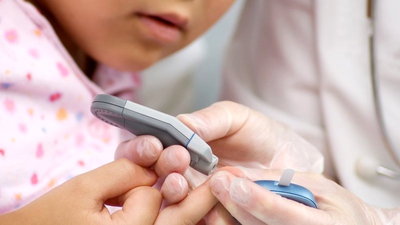
NEW DELHI: In a major policy shift, the Centre will now screen all children from birth to 18 years for diabetes and provide free, lifelong treatment through the public health system, expanding its flagship Rashtriya Bal Swasthya Karyakram (RBSK) to address a growing burden of the disease in younger age groups.The guidance document, released by the Union health ministry at a national public health summit, lays down a structured national framework for screening, diagnosis, treatment and long-term management of childhood diabetes. It integrates community- and school-based screening with district-level care, aiming to ensure early detection and continuity of treatment.The rollout is part of the Centre’s revamp of RBSK 2.0, which adopts a lifecycle approach from birth to 18 years and expands its “4Ds” framework to include non-communicable diseases such as diabetes, along with mental health and behavioural conditions. The guidelines also flag rising lifestyle risks—including poor diet, reduced physical activity and increased screen exposure—and introduce digital tracking and structured follow-up systems to strengthen continuity of care.Under the protocol, mobile health teams will screen children in schools and anganwadi centres for symptoms such as frequent urination, excessive thirst, fatigue and weight loss—the “4Ts” warning signs. Suspected cases will undergo immediate blood glucose testing and be referred to district NCD clinics for confirmation and treatment.The move comes amid growing concern over diabetes in younger populations. While Type 1 diabetes remains the most common form in children and requires lifelong insulin, the document notes a rise in Type 2 diabetes among adolescents, driven largely by increasing obesity and sedentary habits.Experts say prevention will be critical. “Obesity among children has risen sharply, and with it we are seeing more diabetes. Lifestyle changes need to begin early, especially at the school level, as habits formed in these years shape long-term health. Strengthening school-based health programmes and ensuring consistent implementation will be key,” said Dr Jugal Kishore, Director Professor and former Head, Community Medicine, Vardhman Mahavir Medical College and Safdarjung Hospital.District hospitals have been positioned as the backbone of care, offering a comprehensive free package that includes diagnostic services, lifelong insulin therapy, glucometers, test strips and regular follow-up. The programme also includes counselling and training for families on insulin use, monitoring and emergency care.The framework links early detection with advanced care, with standardised treatment to prevent complications. Officials said timely diagnosis enables normal growth and better outcomes. The initiative aims to reduce mortality, ease financial burden and ensure uninterrupted care, with focus now on implementation.


