
NEW DELHI: For car manufacturers, obtaining a five-star safety rating will become tougher under the next phase of Bharat NCAP, which will be rolled out from October 2027. Under BNCAP 2.0, cars will need to undergo five crash tests, compared with the current three. The new regime will add full frontal and rear crash tests to the existing offset (frontal), side, and side-pole impact tests.Cars will be evaluated on five broad parameters — safe driving, accident avoidance, crash protection, vulnerable road-user protection, and post-crash safety of occupants. This means vehicles equipped with advanced safety features such as autonomous emergency braking (AEB) and electronic stability control (ESC), which help reduce the chances of a crash, will receive higher ratings. The assessment will also factor in features such as drowsiness detection, lane-departure warning, and forward-collision alerts.The road transport ministry published the draft protocol for star ratings — Automotive Industry Standard (AIS) Code 197 — on Thursday and has invited feedback from stakeholders. “This will bring a paradigm shift in car-safety ratings and will be superior to many global standards. The main focus of NCAPs worldwide is to ensure that cars do not become death traps for occupants,” said a private-sector expert involved in preparing the new protocol.The first phase of BNCAP is valid until September 2027.The new assessment protocol will also evaluate female occupant safety, going beyond regulatory requirements, and the safety of belted minor occupants, specifically assessing 6- and 10-year-old children. It proposes the use of advanced crash-test dummies during side-impact and pole-impact tests for better analysis of occupant protection.The proposed standard also includes post-crash safety requirements for both conventional and electric vehicles, which are crucial for safe evacuation of occupants. These include mandatory assessments of energy management for fire and electrical hazards and occupant extrication. Optional assessments will include multi-collision braking (MCB), SOS or e-call systems, and hazard-warning light functions.The test protocol will also assess features aimed at minimising the impact on pedestrians and other vulnerable road users in the event of a crash.End of ArticleFollow Us On Social MediaVideosDefence Experts Break Down Possible Causes Behind Tejas Fighter Jet Crash In DubaiPM Modi Gets Rousing Welcome From Indian Diaspora In Johannesburg Ahead Of G20 Summit | South Africa’‘I Am A Hindu’: Shashi Tharoor Evokes Swami Vivekananda To Tell The World What Hinduism Stands ForAmit Shah Says BSF Crushed 118 Pak Posts, He Issues Tough Security Message From Sindoor Van In KutchEx-CIA Reveals Savage Reply To Imran Khan’s PTI After Apology Demand Over His India-Pak War Analysis’All 140 MLAs Are Mine’: DK Shivakumar Amid Karnataka CM Speculation; Siddaramaiah RespondsKabul Turns To India As New Trade Partner Amid Pak Blockades And Push For Fresh Regional CorridorsTejas Crashes In Dubai Air Show Display As Massive Fireball Sparks Panic, Pilot Succumbs To InjuriesDeadly 5.5 Earthquake Rocks Bangladesh, Killing At Least Six, Triggers Widespread Panic Across DhakaIndia Demands End To Veto Manipulation And Calls For Comprehensive Reform Of The UN Security Council123PhotostoriesVegetarian Thanksgiving: 4 mains that taste better than the Turkey10 dhaba-style Paneer dishes to try at home this weekendRekha to Kriti Sanon: Trending celebrity style highlights of the dayFrom Shah Rukh Khan’s ‘Kabhi Khushi Kabhie Gham’ to Salman Khan’s ‘Maine Pyar Kiya’: A look at classic Bollywood films through the modern lensWhy Sadhguru recommends having Beetroot and Cardamom Soup during winter eveningsHow to make Zero-Oil Soya Biryani at homeFrom FOMO to Slaps: New age Gen Z terms parents should know7 Ocean-inspired baby names that sound calm and sereneBaby girl names inspired by Bible characters perfect for gen alpha babiesWorld Television Day: 10 remarkable facts about theidiotbox123Hot PicksDelhi AQI TodayBihar Minister List 2025Bihar CM Oath CeremonyGold rate todaySilver rate todayPublic Holidays NovemberBank Holidays NovemberTop TrendingBest Rockstar Games to Play for GTA 6Savannah JamesWayne GretzkysTrevon DiggsDelhi School Suicide CaseKolkata EarthquakeCandace OwensGavin BrindleySophie CunninghamMLB Trade Rumors
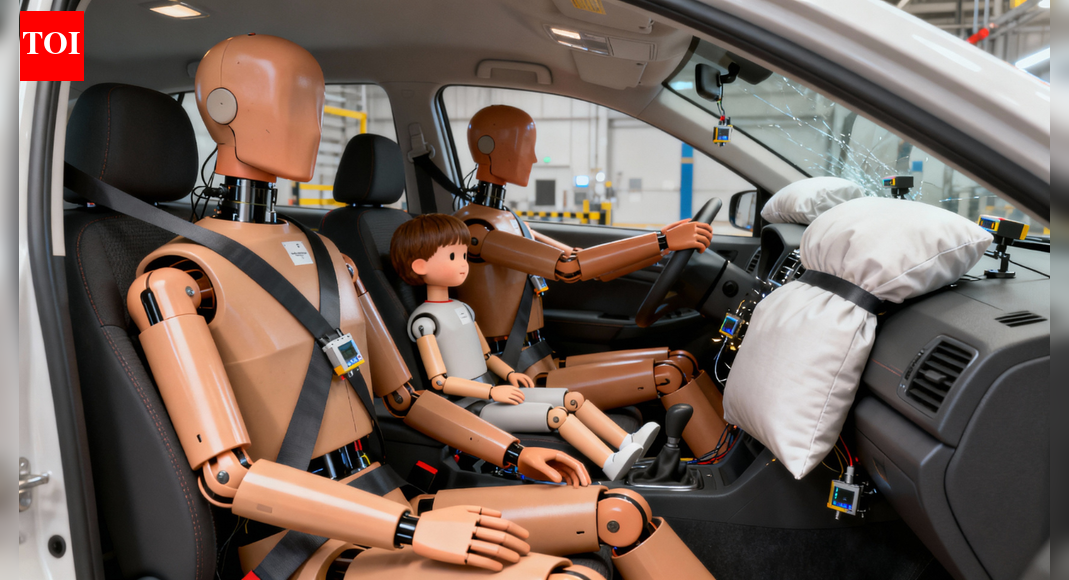
NEW DELHI: For car manufacturers, obtaining a five-star safety rating will become tougher under the next phase of Bharat NCAP, which will be rolled out from October 2027. Under BNCAP 2.0, cars will need to undergo five crash tests, compared with the current three. The new regime will add full frontal and rear crash tests to the existing offset (frontal), side, and side-pole impact tests.Cars will be evaluated on five broad parameters — safe driving, accident avoidance, crash protection, vulnerable road-user protection, and post-crash safety of occupants. This means vehicles equipped with advanced safety features such as autonomous emergency braking (AEB) and electronic stability control (ESC), which help reduce the chances of a crash, will receive higher ratings. The assessment will also factor in features such as drowsiness detection, lane-departure warning, and forward-collision alerts.The road transport ministry published the draft protocol for star ratings — Automotive Industry Standard (AIS) Code 197 — on Thursday and has invited feedback from stakeholders. “This will bring a paradigm shift in car-safety ratings and will be superior to many global standards. The main focus of NCAPs worldwide is to ensure that cars do not become death traps for occupants,” said a private-sector expert involved in preparing the new protocol.The first phase of BNCAP is valid until September 2027.The new assessment protocol will also evaluate female occupant safety, going beyond regulatory requirements, and the safety of belted minor occupants, specifically assessing 6- and 10-year-old children. It proposes the use of advanced crash-test dummies during side-impact and pole-impact tests for better analysis of occupant protection.The proposed standard also includes post-crash safety requirements for both conventional and electric vehicles, which are crucial for safe evacuation of occupants. These include mandatory assessments of energy management for fire and electrical hazards and occupant extrication. Optional assessments will include multi-collision braking (MCB), SOS or e-call systems, and hazard-warning light functions.The test protocol will also assess features aimed at minimising the impact on pedestrians and other vulnerable road users in the event of a crash.


