
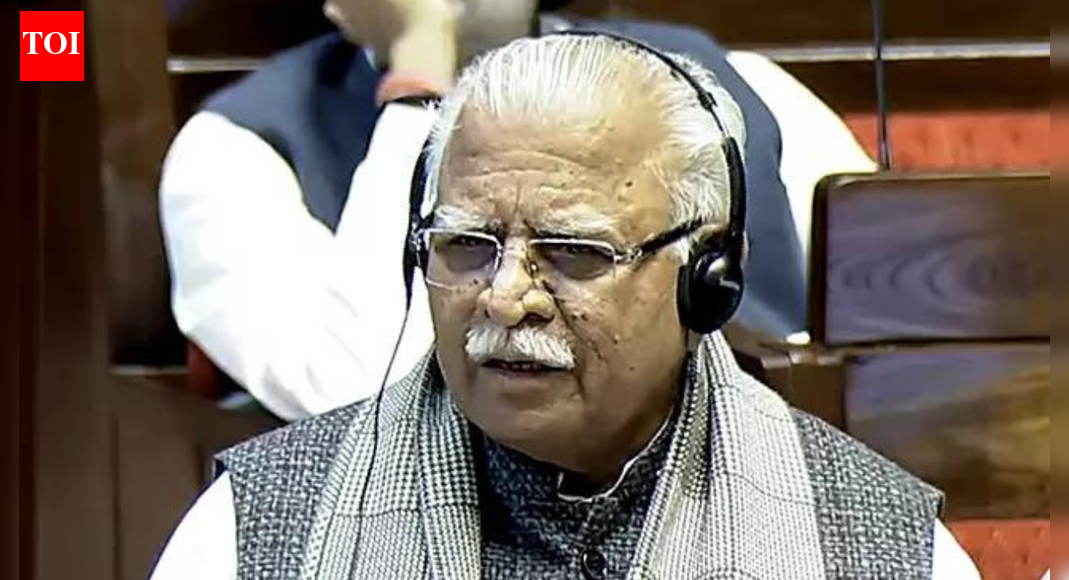
NEW DELH: Union power minister Manohar Lal Khattar said that proposed amendments to the Electricity Act will not lead to a tariff hike, and eligible beneficiaries will continue to receive subsidies from their respective state govts.Chairing a meeting of the parliamentary consultative committee earlier this week, the minister stated that the draft Electricity (Amendment) Bill, 2025, only mandates “cost-reflective” tariffs and empowers regulatory commissions to act suo motu when utilities delay tariff filings. “…the state govts may continue to provide subsidies to priority consumer groups such as domestic and agricultural consumers, and there may not be any increase in cost for such consumers. This ensures that financial discipline and consumer welfare go hand in hand,” the minister said, amid protests by farmers demanding the withdrawal of the Bill.“Suitable regulatory and policy measures will be taken to ensure that there will not be any adverse effect on any class of consumers or employees,” he added.The details of the meeting were shared by the govt on Saturday.The consultative exercise on the provisions of the draft Bill is currently underway, and the new legislation is likely to be tabled in Parliament during the Budget session next year.The govt said in a statement that lawmakers from various political parties in both Houses participated in the consultative meeting. It added that the Bill seeks to reduce distortions caused by cross-subsidies and surcharges and aims to support Indian industry, including MSMEs, to grow, expand employment, and compete globally by making electricity costs “reasonable”. The Bill also proposes to empower state electricity regulatory commissions to exempt power discoms from the obligation to supply large consumers. “These consumers can procure power at competitive rates from other sources,” said Khattar.Emphasising the need for greater use of cleaner energy, the minister said the Bill proposes a minimum obligation for the use of non-fossil source electricity. Capacity addition will be enabled through market mechanisms, in addition to agreements by discoms, to ensure the availability of cost-competitive and adequate renewable energy.The draft Bill also proposes to expand the strength of the Appellate Tribunal for Electricity to handle increasing caseloads, apart from operational reforms such as incorporating right-of-way provisions directly into the Act and enabling distribution network sharing to avoid duplication.The Bill envisages the establishment of an electricity council to foster cooperative federalism and build national consensus on power sector reforms, the statement read. Khattar said the central govt will take necessary steps to ensure reasonable compensation to farmers for land used for laying electric lines, adding that the power ministry has already issued guidelines for determining compensation linked to market rates.About the AuthorAtul MathurAtul Mathur is a Senior Assistant Editor at The Times of India with over 27 years of experience in journalism. Based in Delhi, he has spent much of his career reporting on governance, public policy and politics, churning out researched, data-driven stories that impact daily lives. Atul is known for investigative depth and strong human-interest narratives as he strives to bring clarity and context to complex issues. He currently tracks the energy sector, writing on power, renewable energy, coal and mines.Read MoreEnd of ArticleFollow Us On Social MediaVideosHindu Lynching Sparks Outrage: Shashi Tharoor Warns On Mob Rule, Priyanka Blasts Modi Govt SilenceEx-PM Imran Khan And Bushra Bibi Jailed For 17 Years In Toshakhana Gift Jewellery Case’There Is Only One Modi’: Jaishankar Says Leaders Define Nations, Not Ministers Or IndividualsMore Complicated Than Ever: Jaishankar Flags US, China, Russia, Europe As India Faces Harder ChoicesPM Modi Says BJP Correcting Congress Mistakes As Assam Gets New Airport And Northeast PushKabul Chooses India For Medicines As Afghan Minister Admits Pakistan Ties Have Deteriorated BadlySonia Gandhi Criticises PM Modi Over VB-G RAM G Bill And MGNREGA Rollback’Maha Jungle Raj in Bengal, Mamata Shielding Infiltrators’: PM Modi Blasts TMC in Virtual RallyPiyush Goyal Says Congress Policies Suppressed Enterprise And Capped India’s Growth For Decades’Global Order Has Changed Forever, No Single Nation Can Dominate All Issues’: Says EAM Jaishankar123Photostories8 Foods that can help manage blood sugar levels in Diabetes10 best destinations near Delhi/NCR to plan your last-minute New Year getawayFrom Sunil Grover to Rupali Ganguly: This is what your favorite TV actors did before getting limelightBlurred vision or eye strain? These signs mean you need an eye check-up12 food combinations that can slow down parents’ agingWinter Snack: How to make Dhokla in a pressure cooker8 Stoic life lessons from “Meditations” by Marcus AureliusNot just cold or cough: Doctor shares common triggers that can cause a sore throatDipika Kakar’s PET scan comes back normal; Shoaib Ibrahim purchases a swanky new carStruggling With Sleep? Mantra For Your Date Of Birth123Hot PicksTom BradyEpstein files releasedTim SaunderGold rate todaySilver rate todayPublic Holidays DecemberBank Holidays DecemberTop TrendingJosh Allen Luxury Car CollectionRandi MahomesAuston MatthewsWho is Nicole LundersJeremy Doku and Shireen Doku Net WorthMatthew StaffordWalker Buehlers WifeSibley ScolesAssam Rajdani Express TragedyUS Strikes
NEW DELH: Union power minister Manohar Lal Khattar said that proposed amendments to the Electricity Act will not lead to a tariff hike, and eligible beneficiaries will continue to receive subsidies from their respective state govts.Chairing a meeting of the parliamentary consultative committee earlier this week, the minister stated that the draft Electricity (Amendment) Bill, 2025, only mandates “cost-reflective” tariffs and empowers regulatory commissions to act suo motu when utilities delay tariff filings. “…the state govts may continue to provide subsidies to priority consumer groups such as domestic and agricultural consumers, and there may not be any increase in cost for such consumers. This ensures that financial discipline and consumer welfare go hand in hand,” the minister said, amid protests by farmers demanding the withdrawal of the Bill.“Suitable regulatory and policy measures will be taken to ensure that there will not be any adverse effect on any class of consumers or employees,” he added.The details of the meeting were shared by the govt on Saturday.The consultative exercise on the provisions of the draft Bill is currently underway, and the new legislation is likely to be tabled in Parliament during the Budget session next year.The govt said in a statement that lawmakers from various political parties in both Houses participated in the consultative meeting. It added that the Bill seeks to reduce distortions caused by cross-subsidies and surcharges and aims to support Indian industry, including MSMEs, to grow, expand employment, and compete globally by making electricity costs “reasonable”. The Bill also proposes to empower state electricity regulatory commissions to exempt power discoms from the obligation to supply large consumers. “These consumers can procure power at competitive rates from other sources,” said Khattar.Emphasising the need for greater use of cleaner energy, the minister said the Bill proposes a minimum obligation for the use of non-fossil source electricity. Capacity addition will be enabled through market mechanisms, in addition to agreements by discoms, to ensure the availability of cost-competitive and adequate renewable energy.The draft Bill also proposes to expand the strength of the Appellate Tribunal for Electricity to handle increasing caseloads, apart from operational reforms such as incorporating right-of-way provisions directly into the Act and enabling distribution network sharing to avoid duplication.The Bill envisages the establishment of an electricity council to foster cooperative federalism and build national consensus on power sector reforms, the statement read. Khattar said the central govt will take necessary steps to ensure reasonable compensation to farmers for land used for laying electric lines, adding that the power ministry has already issued guidelines for determining compensation linked to market rates.


