
Marking a breakthrough in biological engineering, researchers claim to have created the world’s first synthetic cells that can feed, grow and replicate like a natural cell, taking a big step towards the holy grail of making a living organism out of non-living components.Developed by University of Minnesota scientists under a project called SpudCell, the work could in time lead to made-to-order living machines.“We’ve replicated in chemistry what only used to be possible in biology: the complete set of behaviours of a cell. It proves that fundamental functions of life, like growth and replication, don’t need a mysterious magical spark,” said Kate Adamala, who led the effort, in a note released by the varsity.The SpudCell isn’t quite ‘alive’. It can’t survive without deliveries of food and ribosomes, the molecular machines needed to make proteins. It also has no defences or a good waste removal system. SpudCell: Genetic change helped cells grow fasterBut experts said it’s the most compelling demonstration yet that it is possible to generate life from non-life. “This work is just the beginning. We are showing it’s possible to engineer the basic functions of the cell. To fully realise the promise of this technology — to make it robust and practical — we need combined international effort,” Adamala said.SpudCell is a pared down version of a living cell. While natural cells divide using internal scaffolding called a cytoskeleton, the synthetic cell sidesteps the need for a cytoskeleton with proteins that crowd together on the membrane surface until the mechanical stress makes the membrane split. Researchers introduced a genetic change that increased production of fusion protein, resulting in cells that grew faster and produced more offspring. After five generations, the faster-growing variant had out-competed the original, the university said.While a human genome is roughly 3 million kilobase pairs (kbp) in size, SpudCell’s genome is relatively tiny at 90 kbp. Rather than a single chromosome, the genome is split across seven separate DNA plasmids, allowing the team to “program” various functions of the cell independently.Get the latest India news and live updates. Download the TOI App.End of ArticleFollow Us On Social MediaVideos’Highly Deplorable’: India Slams Pakistan Over Demolition Of 125-Year-Old Gurdwara In FarooqabadHealth Concerns Mount As Sonam Wangchuk’s Blood Sugar Falls, Weight Drops As Fast ContinuesDMK Seeks FIR Against CM Vijay, Alleges Plot To Induce MLAs And Alter Assembly NumbersCongress Claims BJP in West Bengal “Will Be Equally Aggressive”; MP Sparks Debate On GovernanceIran Invites BJP Chief Nitin Nabin, Congress Prez Kharge, Pawan Khera To Khamenei’s Funeral: ReportModi Cabinet Reshuffle Buzz: Will NDA Allies And Rebel MPs Find A Place In The Union Cabinet?Three Arrested, Senthil Balaji Under Scanner In Alleged TVK Government Toppling BidCongress Moves Privilege Motion Against Rajnath Singh Over Op Sindoor Claims; Seeks Transparency’Neglecting For 2.5 Years’ Kailash Vijayvargiya’s Letter To CM Mohan Yadav Triggers Political StormWATCH: Eggs, Vegetables Hurled At Mahua Moitra; TMC MP Accuses ‘BJP Goons’, Says Police Stood By123PhotostoriesLock Upp 2: Ram Kapoor, Sunita Ahuja to Akanksha Chamola—contestants’ net worth revealed; this celebrity tops the list with Rs 135 croreWilliam Faulkner’s quote, ‘You cannot swim for new horizons until you have courage to lose sight of the shore,’ perfectly explains why growth demands riskThink you will get your full deposit back? These surprisingly common move-out mistakes could lead to major deductions from your security depositPsychology says children need their parents the most during these 5 vulnerable moments of the day and how parents should respond during these momentsVande Bharat on a budget: 5 routes you can travel for under INR 1,5005 secrets to build an aura everyone feels attracted toPersonality test: Solo trip or holiday with your partner? What your travel style tells you about yourself5 shocking facts about octopuses that seem too strange to be realBengaluru daycare horror: 8 red flags every parent should know before choosing a daycare10 beautiful baby girl names inspired by the beauty of nature and their heartwarming meanings123Hot PicksLPG gas pricePatrick MahomesNEET PG RegistrationEmployees Provident Funds SchemeGTA 6India vs England t20Marcus SmartNayara petrol priceHow to Watch FIFA World Cup TodayTop TrendingNayara energy petrol priceLPG priceKetan Agarwal Murder CaseFIFA World Cup 2026Monaco BlastBengaluru TechieAnukalp MishraSergei IvanovIndigo Check-in Bag FaresAyodhya Ram Temple Donation Theft

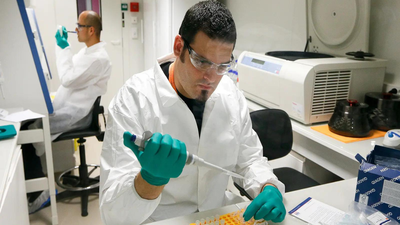
Marking a breakthrough in biological engineering, researchers claim to have created the world’s first synthetic cells that can feed, grow and replicate like a natural cell, taking a big step towards the holy grail of making a living organism out of non-living components.Developed by University of Minnesota scientists under a project called SpudCell, the work could in time lead to made-to-order living machines.“We’ve replicated in chemistry what only used to be possible in biology: the complete set of behaviours of a cell. It proves that fundamental functions of life, like growth and replication, don’t need a mysterious magical spark,” said Kate Adamala, who led the effort, in a note released by the varsity.The SpudCell isn’t quite ‘alive’. It can’t survive without deliveries of food and ribosomes, the molecular machines needed to make proteins. It also has no defences or a good waste removal system.
SpudCell: Genetic change helped cells grow faster
But experts said it’s the most compelling demonstration yet that it is possible to generate life from non-life. “This work is just the beginning. We are showing it’s possible to engineer the basic functions of the cell. To fully realise the promise of this technology — to make it robust and practical — we need combined international effort,” Adamala said.SpudCell is a pared down version of a living cell. While natural cells divide using internal scaffolding called a cytoskeleton, the synthetic cell sidesteps the need for a cytoskeleton with proteins that crowd together on the membrane surface until the mechanical stress makes the membrane split. Researchers introduced a genetic change that increased production of fusion protein, resulting in cells that grew faster and produced more offspring. After five generations, the faster-growing variant had out-competed the original, the university said.While a human genome is roughly 3 million kilobase pairs (kbp) in size, SpudCell’s genome is relatively tiny at 90 kbp. Rather than a single chromosome, the genome is split across seven separate DNA plasmids, allowing the team to “program” various functions of the cell independently.


