
Kathiwada Raaj Mahal: Step inside the 131-year-old Kathiwada Raaj Mahal, where royal heritage meets modern luxury and sustainable living

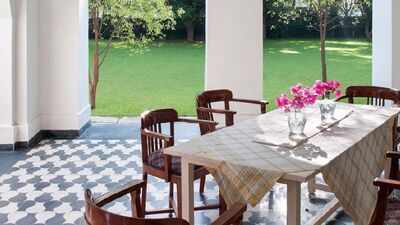
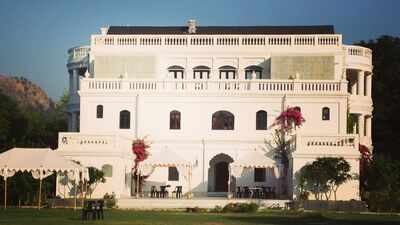
Nestled in the rolling Vindhya hills of western Madhya Pradesh, Kathiwada Raaj Mahal is not just a magnificent residence – it is a living testimony to nearly six centuries of history. The property was part of the erstwhile Kathiwada Principality, with a lineage dating back to 1434, beautifully capturing the grandeur of India’s royal past, while embracing a vision for a sustainable future.At the heart of this remarkable heritage property is Ranasaheb Digvijaysinh Kathiwada, the custodian of the estate and a development-minded leader who has devoted himself to preserving its legacy and making sure it remains relevant in the 21st century. Anointed Ranasaheb in 2010, he’s a new generation of royal custodians who sees heritage not as something to be frozen in time, but as a living legacy that can inspire education, culture, community development and sustainable tourism.
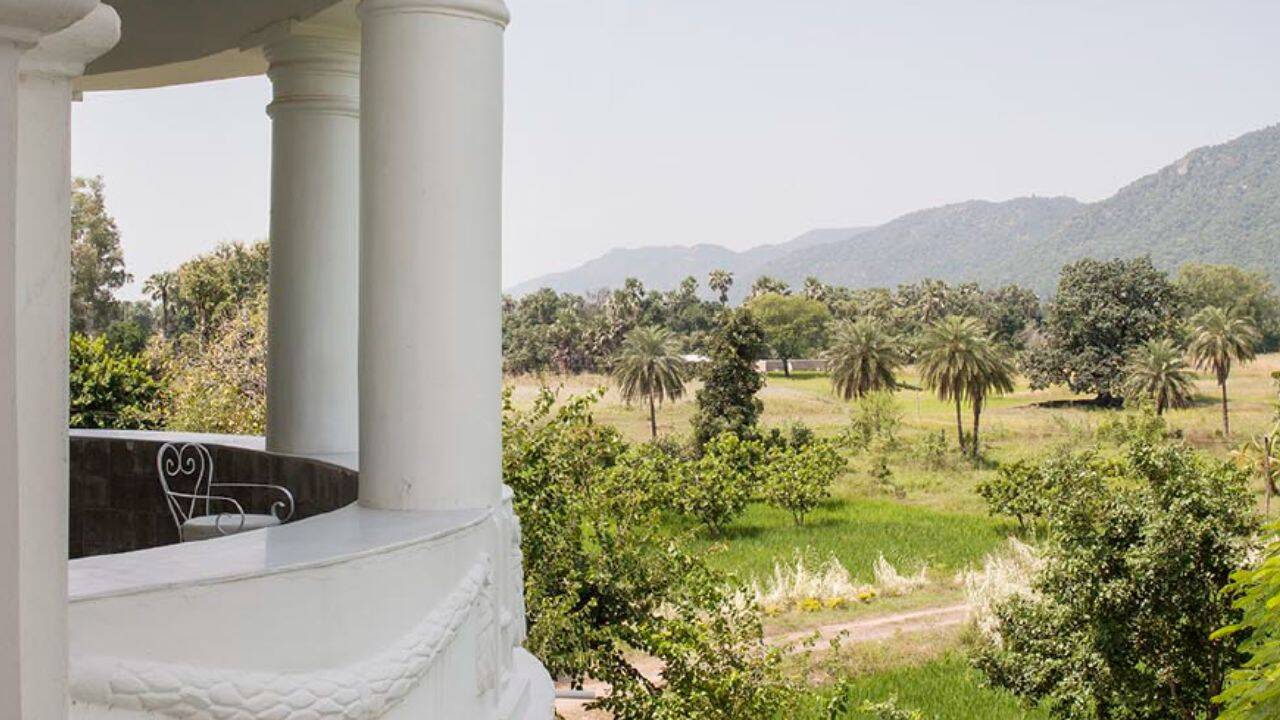
The lofty designs speak volumes about the architecture: Image credit-Ranasaheb Digvijaysinh Kathiwada
The Raaj Mahal is the former royal hunting lodge at the heart of the estate, built in 1895 by Rana Onkarsinhji. Today, the magnificently restored mansion is set on 120 acres of privately owned farmland, nestled amongst the scenic Vindhya range which provides panoramic views in every direction. The outside retains the regal character but the inside has been sensitively renovated to combine modern comfort with the elegance of a bygone era.Every corner of the 11-room house reflects the rich history of the mansion. Ancient memorabilia, archival photographs, heirloom furniture and carefully curated contemporary art pieces live together in harmony, creating interiors that celebrate tradition and modernity alike. Instead of being a museum, the home continues to be a lively family residence where each room has an individual identity and narrates a chapter of Kathiwada’s story.
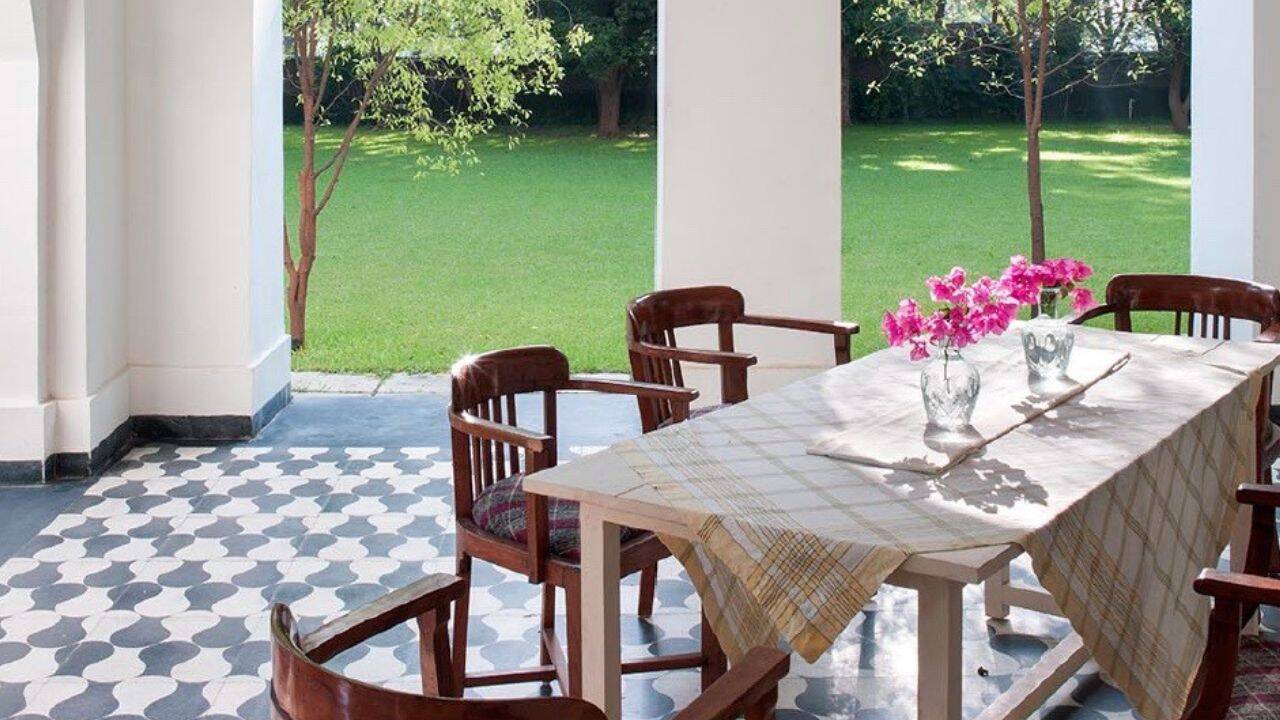
The generous verandas add beauty to the palace: Image Credit: Ranasaheb Digvijaysinh Kathiwada
Ranasaheb himself is the product of this mix of tradition and modernity. He attended the Cathedral and John Connon School in Mumbai and studied Urban Planning and Business at the University of Southern California and the Sotheby’s Institute of Art in London. He has worked in real estate advisory, art and memorabilia auctions, hospitality, entrepreneurship and sports administration, which have given him a multidisciplinary perspective on heritage conservation and placemaking.“I have broadened my family’s vision beyond the preservation of a historic home along with Ranisaheb Swati Kathiwada. We have initiated projects in education, healthcare, livelihoods and rural development through Kathiwada Leisures, Kathiwada Brands and the Kathiwada Foundation Trust which today serves more than 500 families. Scholarships, sporting programs, health programs and Covid-19 relief have now become an integral part of the estate’s broader social mission.” says Ranasaheb Digvijaysinh Kathiwada“Through the Kathiwada 2034 Masterplan I aim at transforming the region through sustainable tourism, organic agriculture, better healthcare and education infrastructure. Plans include a state of the art ICU and OPD facility as well as the upcoming Kamal Vidya Niketan, a rural education campus created to create new opportunities for generations to come.” he adds.
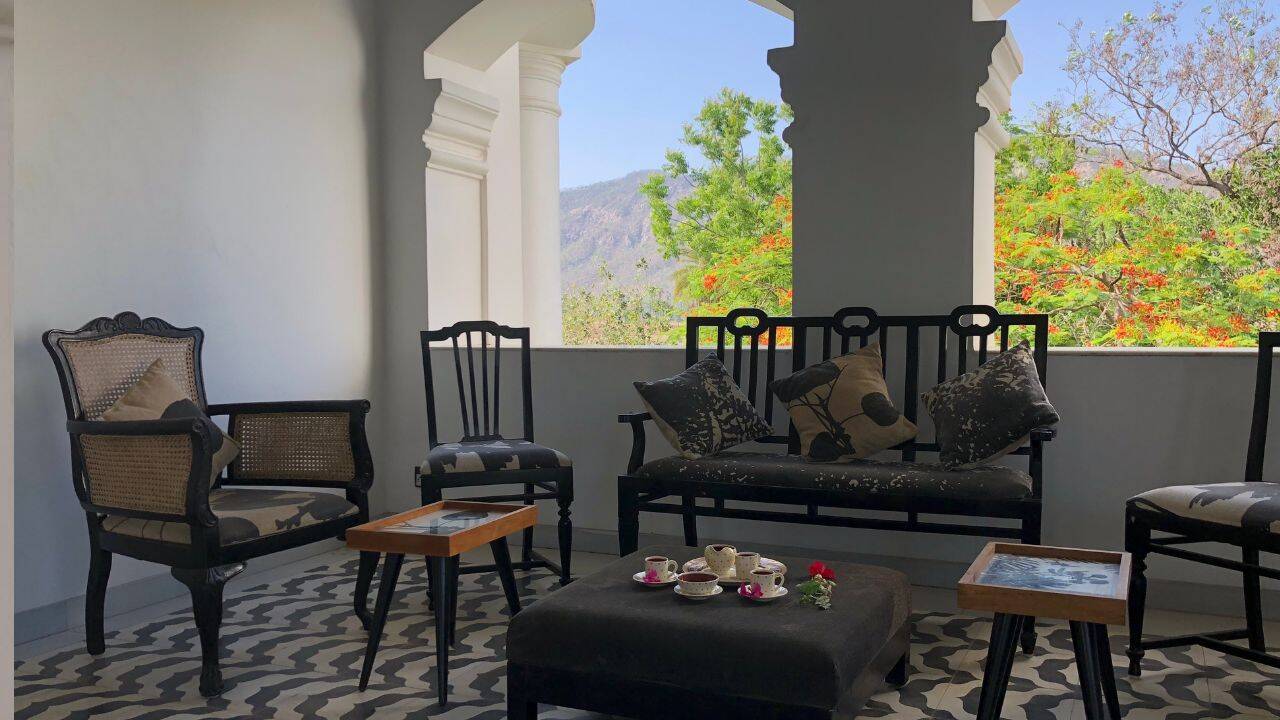
The Raaj Mahal was a former hunting lodge
A palace where history continues to liveWhat makes Kathiwada Raaj Mahal so special is that it is much more than a beautifully restored palace. It is a living, breathing home where history is still unfolding each day. Unlike many heritage properties that have been converted into museums or luxury hotels, the Raaj Mahal is still home to the Kathiwada royal family and not just the architecture but the traditions, memories and stories that have shaped it over generations are preserved.Built in 1895, originally as a royal hunting lodge at the behest of Rana Onkarsinhji, the palace is a striking blend of regal elegance and understated charm. Set amongst 120 acres of private farmland and with views of the rolling Vindhya hills, the estate enjoys sweeping vistas of forest and open countryside, creating a sense of calmness that feels untouched by time.
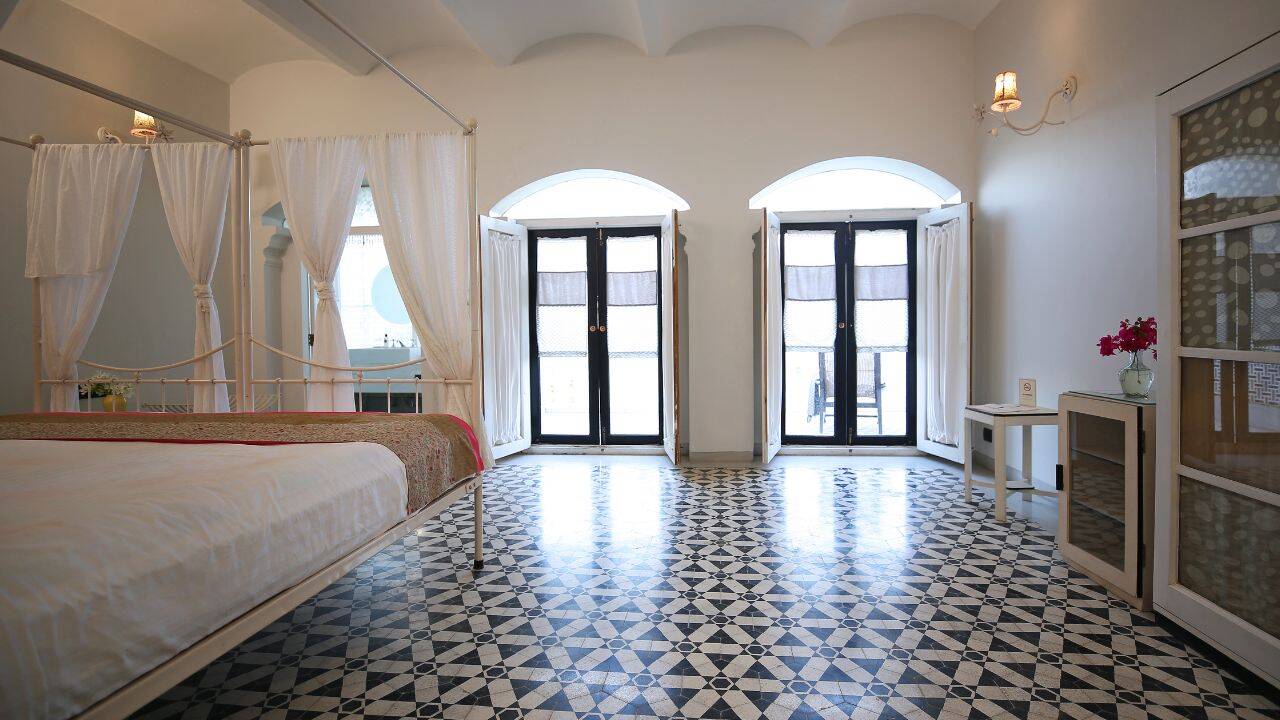
Every corner of the 11-room house reflects the rich history of the mansion
Inside, each room of the palace is uniquely designed and tells a story of its own. Antique furniture sits alongside royal heirlooms, vintage photographs, hunting memorabilia, family portraits and carefully curated works of contemporary art, creating interiors that honour the past whilst embracing modern comfort. The palace is not about recreating a lost time, it is about an evolving legacy, where every object has a history, every corridor is filled with family memories and every space is adapted for modern life, with a deftness that is anything but historical.
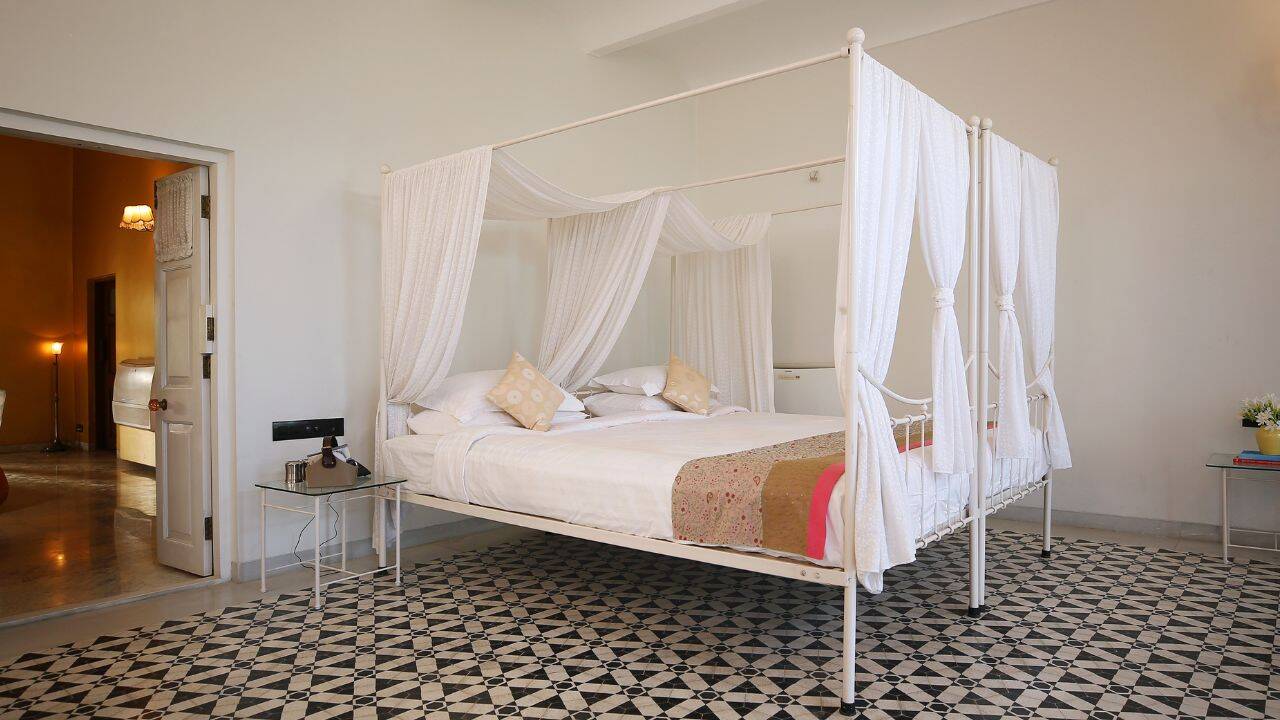
There is a subtle sense of elegance in the interiors
The architecture itself is a celebration of craftsmanship, with generous verandas, soaring ceilings, period details and rooms opening onto lush gardens and panoramic landscapes. Every element has been restored with sensitivity so that the palace has retained its original character, yet offering the comforts of a modern residence.But the real value of Kathiwada Raaj Mahal extends beyond its walls. The estate under the stewardship of Ranasaheb Digvijaysinh Kathiwada is a symbol of heritage as a force for good. Here, conservation is intertwined with sustainable tourism, rural development, education, healthcare and cultural preservation, demonstrating that royal estates can still have a meaningful role in society today.


