
Karnataka’s 5.2 floor area ratio limit: Check how it could impact homebuyers

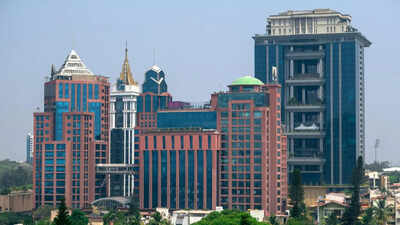
Karnataka’s real estate sector is witnessing a major development. In February, the Karnataka Industrial Areas Development Board (KIADB) raised the Floor Area Ratio in its industrial regions to 5.2, from a previous cap of 3.25.With this amendment, industrial plots along roads wider than 30 metres can reach a FAR of 5.2. Roads of 24–30 metres now allow 4.8 FAR, 4.0 for 18–24 metre roads, and 3.6 for 12–18 metres. Roads under 12 metres permit FAR between 2.45 and 2.8.
What is FAR?
Gross Floor Area (GFA) is the total area of a building if the areas of all its floors were combined. FAR is the ratio of the gross floor area to the total area of the land. For example, if a building has a GFA of 3000 sqm and a total land area of 1500 sqm, its FAR becomes 2.0.FAR determines the number of floors a building would have and also the area that each floor would occupy. Karnataka’s FAR upgradation has allowed builders to construct taller buildings, which means a greater number of floors. An increase in the number of floors will lead to more flats.Due to constantly booming demand, driven by an influx of population and economic growth, Bengaluru has emerged as one of the costliest cities to buy a house. According to PropTiger’s report on India’s real estate sector for Q1, 2026, Bengaluru has become India’s second costliest city, after Mumbai, with price trends that go up to Rs 9,785 per sqft.Hence, an increase in the number of floors is expected to ease the costly real estate market of Bengaluru. However, to build vertically up to the newly specified limits, developers must pay a premium fee to the state government, which may eventually reflect on the pockets of buyers.


