
Jul 02, 2026, 03:03 IST

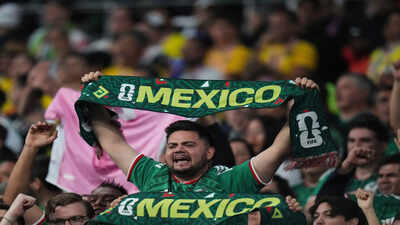
Mexico secured a landmark 2-0 victory over Ecuador to reach the FIFA World Cup 2026 Round of 16, but the celebrations at the Estadio Azteca may be overshadowed by the possibility of disciplinary action after the controversial “puto” chant was once again heard from sections of the home support. The chant, which has repeatedly led to sanctions against the Mexican Football Federation over the past decade, resurfaced during the knockout victory, despite years of awareness campaigns and previous FIFA punishments aimed at eradicating it.
Mexico’s historic victory overshadowed by familiar controversy
Mexico booked their place in the Round of 16 with a composed 2-0 victory over Ecuador at the iconic Estadio Azteca, ending a 40-year wait for a World Cup knockout-stage victory on home soil. Goals from Julián Quiñones and Raúl Jiménez ensured Javier Aguirre’s side continued their outstanding tournament, extending their record to four consecutive victories without conceding a goal. In doing so, Mexico also became the first nation since Italy at the 1990 World Cup to win their opening four matches of a tournament without allowing a single goal.
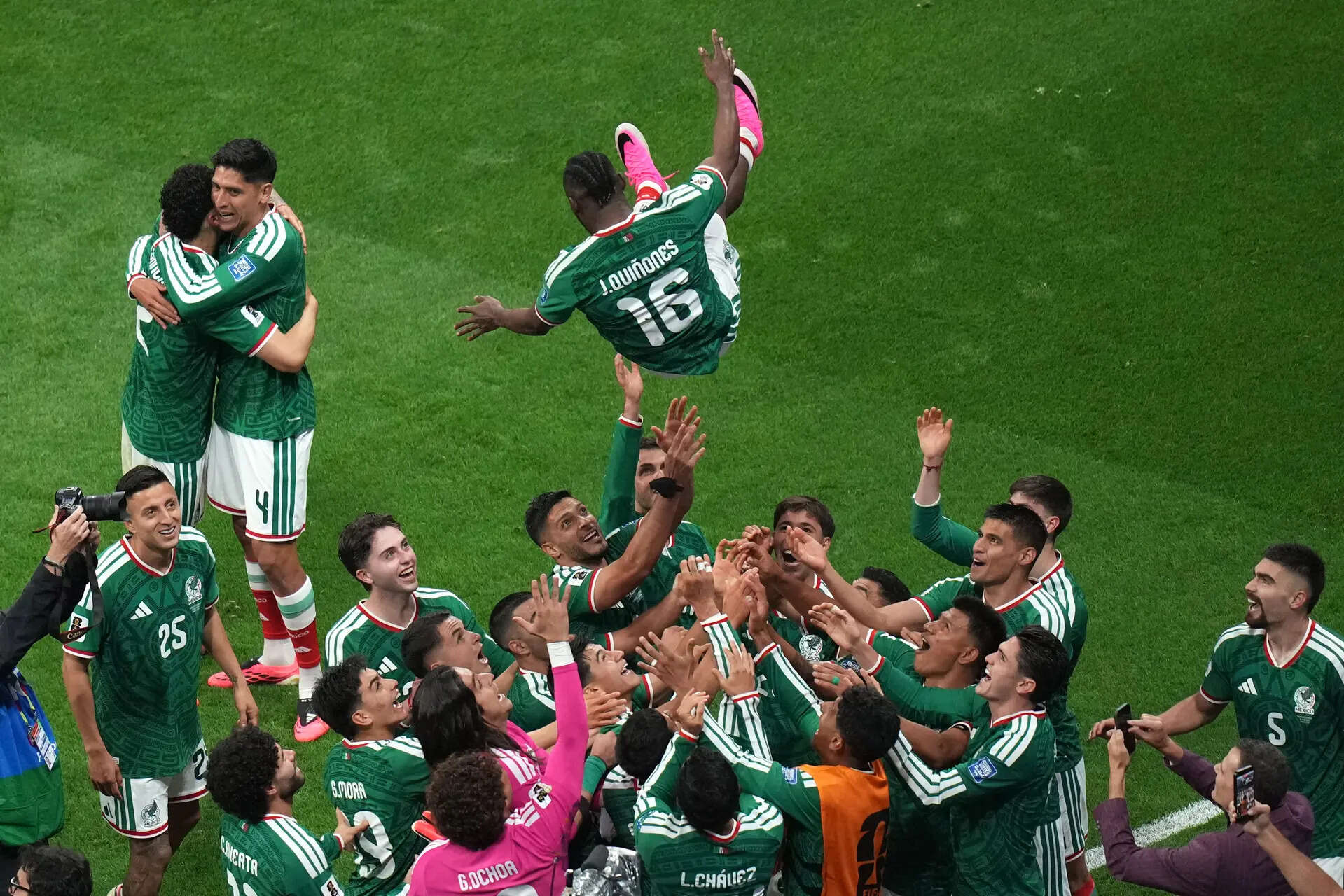
Mexico’s Julian Quinones (16) celebrates with teammates after the World Cup round of 32 soccer match between Mexico and Ecuador in Mexico City, Tuesday, June 30, 2026. (AP Photo/Silvia Izquierdo)
The result also confirmed a blockbuster Round of 16 meeting with England, after Thomas Tuchel’s side came from behind to defeat DR Congo 2-1 later on Wednesday through Harry Kane’s late brace. The two nations will now meet at the Estadio Azteca on July 6 for a place in the quarter-finals. However, amid the celebrations inside the stadium, a recurring issue once again emerged from the stands.
Homophobic chant returns despite years of campaigns
During Ecuador goalkeeper goal kicks, sections of the Mexican crowd were heard chanting the one-word slur “puto”, a chant that literally translates to “male prostitute” in Spanish and has long been regarded by FIFA as discriminatory and homophobic. The chant has repeatedly landed Mexican football in disciplinary trouble. It first drew worldwide attention during the 2014 FIFA World Cup in Brazil before resurfacing again during the tournaments in Russia in 2018 and Qatar in 2022. The latest incident means it has now been heard at a fourth consecutive men’s World Cup.
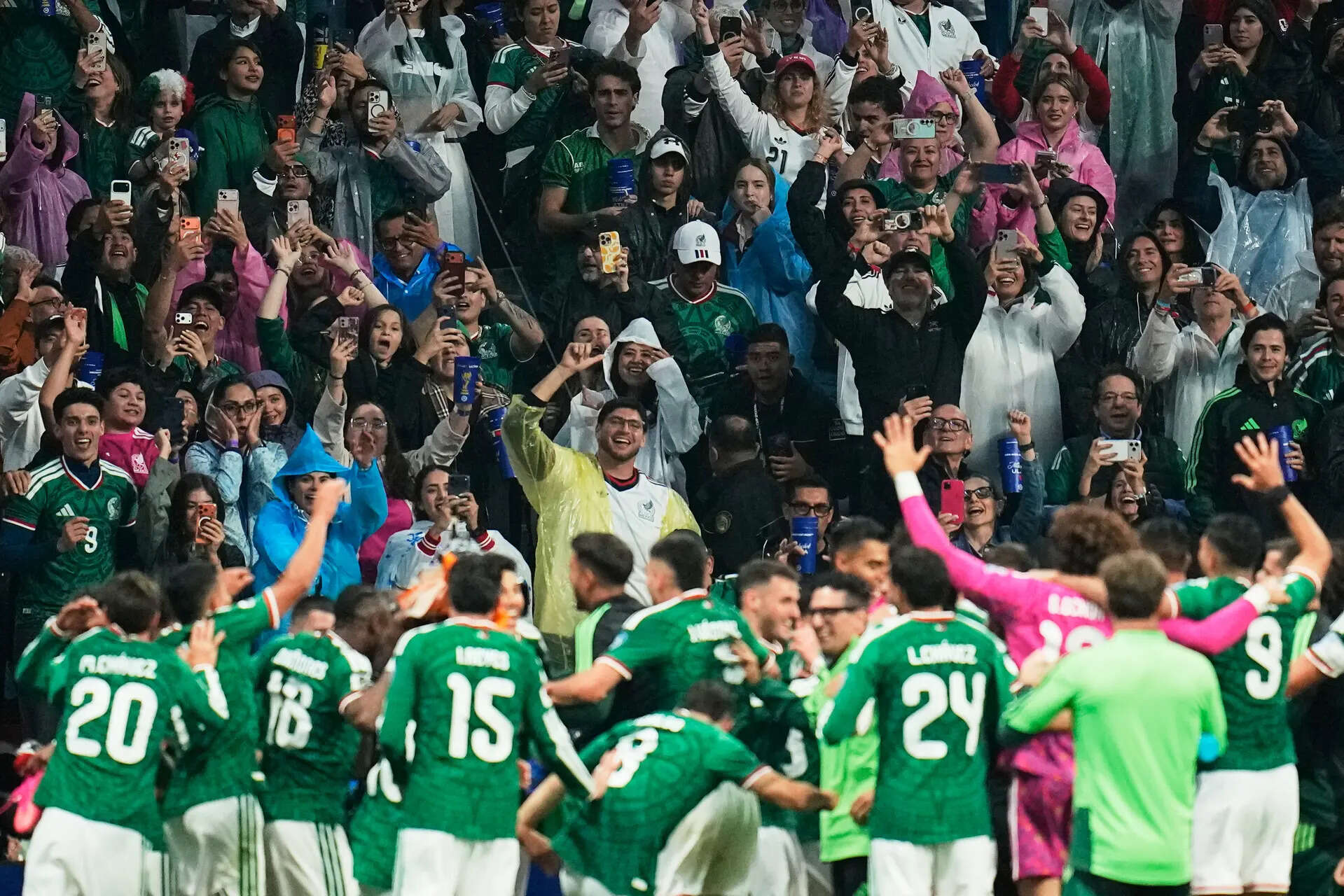
Fans celebrate with Mexico players after their team’s victory over Ecuador in the World Cup round of 32 soccer match in Mexico City, Tuesday, June 30, 2026. (AP Photo/Ricardo Mazalan)
According to the Daily Mail, the Mexican Football Federation has spent years attempting to eliminate the chant through supporter education initiatives and repeated appeals to fans, but those efforts have largely failed to eradicate it. Ahead of the 2026 tournament, the federation launched its latest awareness campaign, “La Ola Sí, El Grito No” (“The Wave Yes, The Chant No”), featuring members of Mexico’s 1986 World Cup squad encouraging supporters to perform the Mexican wave instead of shouting the offensive chant. Despite those efforts, the chant has reportedly been heard since Mexico’s opening match of the tournament and resurfaced again during the victory over Ecuador.
Previous sanctions could influence FIFA’s response
Mexico’s governing body has already faced significant disciplinary action over similar incidents. Before the start of the 2026 World Cup, the Court of Arbitration for Sport (CAS) ruled on FIFA disciplinary proceedings relating to chants heard during international matches against Bolivia, Uruguay, Brazil and the United States in 2024. According to CAS, anti-discrimination monitors documented the incidents before FIFA imposed fines totalling 140,000 Swiss francs (approximately $178,000 or £130,457). While CAS upheld the financial penalties, it overturned an additional sanction that would have required part of a stadium to be closed during a FIFA-organised competition. In its written decision, CAS acknowledged that the Mexican Football Federation had argued it had implemented educational programmes since 2015 aimed at preventing and eliminating the chant. However, the court concluded that those mitigation efforts were insufficient. “They observed that the conduct of the fans was collective and widespread, and not merely a one-off occurrence,” CAS said in its ruling. The incidents were also detected by the same anti-discrimination monitoring system operating throughout the 2026 FIFA World Cup across Mexico, the United States and Canada, meaning FIFA could once again review the latest reports before deciding whether disciplinary measures are warranted. Sports journalist Matt Slater of The Athletic has argued that financial sanctions alone have not solved the problem. “On the one hand, FIFA fines aren’t working. “But, on the other, we can’t just let some Mexican fans keep screaming an anti-gay slur each time the oppo goalie boots it. “Self-policing by fans is the best way to fix this… now would be a good time to start.” Mexico now turns its attention back to the pitch, where a high-profile Round of 16 clash against England awaits, but whether FIFA opens another disciplinary case following the events at the Estadio Azteca could become an unwelcome distraction as the co-hosts continue their World Cup campaign.


