
India to acquire nine retired Jaguar fighter jets from UK to manage ageing fleet

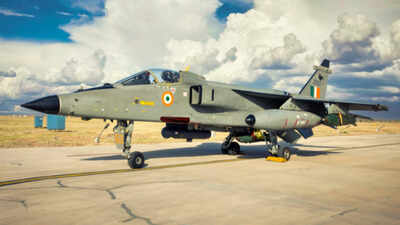
The Indian Air Force (IAF) has decided to acquire nine retired Jaguar fighter aircraft from the United Kingdom. These aircraft will be used as a source of spare parts and reusable sub-assemblies in order to keep its fleet of these deep strike penetration aircraft operational as the force struggles with falling squadron numbers. The IAF currently operates 29 squadrons against a sanctioned strength of 42 squadrons. The IAF currently operates six squadrons of this strike aircraft.

The move to acquire these nine airframes from the UK is not the first such procurement. Earlier too the IAF had acquired retired Jaguars from France, Oman and the UK, all of which had withdrawn the aircraft from service. In 2018, France gifted 31 retired airframes along with engines and spares at no cost. India and Oman formalised an agreement to transfer over 20 retired Jaguars that had flown fewer hours and were in relatively good condition. The IAF is currently the only air force that operates this aircraft, first acquired in the 1980s.
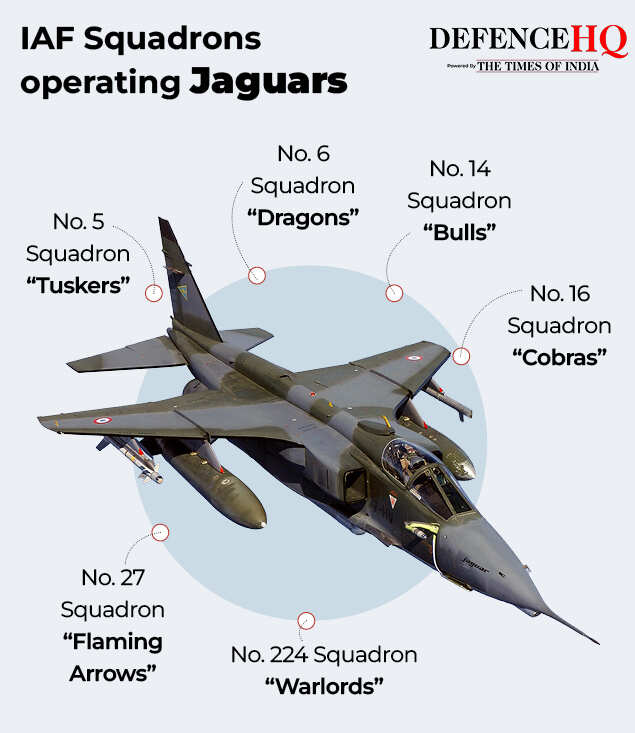
These imported aircraft are cannibalised for critical components such as landing gears, hydraulics, avionics and Rolls-Royce Adour engines, helping the IAF overcome shortages. Over the past decade, half of the Jaguar fleet was upgraded to modern standards, while the older half was deemed unsuitable for investment and will begin retiring from 2028. The Jaguars upgraded to the DARIN-III standard have been modified with an advanced radar capable of tracking multiple targets, terrain mapping and electronic jamming, as well as cockpit modernisation with state of the art multi-function displays and advanced head up displays.The IAF had once attempted to replace the aging Adour engines with Honeywell F-125N engines in a multi-billion-dollar project, as part of the Darin-III upgrades, but the plan was abandoned due to the high costs involved. The upgraded Jaguars are to remain operational well into the next decade, bridging capability gaps until newer platforms are inducted. The acquisition of retired airframes ensures a steady supply of spares to sustain the fleet, apart from other methods including 3D printing. The aircraft is also experiencing a spare shortage for its ejection seat.


