
In 2022, bird flu caused an entire Sandwich tern colony in England to be abandoned; four breeding seasons later, the birds have returned in record numbers, creating one of the country’s largest colonies

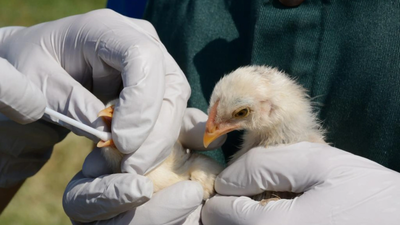
Four breeding seasons after a deadly bird flu outbreak forced a colony of Sandwich Terns to leave their nesting ground, the seabirds have returned in record numbers, creating one of England’s largest breeding sites. Monitoring reports published by Rare Bird Alert confirm that Sandwich Terns (Thalasseus sandvicensis) nested at RSPB Pagham Harbour in West Sussex in unprecedented numbers during the 2026 breeding season. The recovery comes four years after the highly infectious H5N1 strain of avian influenza badly affected seabird colonies across the UK. The outbreak killed large numbers of adults and chicks and forced surviving birds to leave long-established nesting areas. The return to Pagham Harbour is one of the most notable conservation recoveries along England’s southern coast and an important sign of resilience for coastal wildlife.
The damage caused by the 2022 outbreak
UK seabird populations suffered major losses in 2022 when an unusually severe strain of avian flu spread through coastal nature reserves. Sandwich Terns were especially vulnerable because they breed in large, closely packed colonies on shingle banks and narrow island spits. During the breeding season, birds and their chicks live close together, allowing the virus to spread quickly. At the height of the 2022 outbreak, reserve wardens and conservationists recorded large numbers of dead adult terns and chicks at important sites across the UK. At Pagham Harbour, a nature reserve managed by the Royal Society for the Protection of Birds (RSPB) near Chichester, the losses were so serious that the entire colony collapsed. The surviving adults abandoned their nests during the season, leaving the nesting spit empty for the rest of the year. At the time, it was unclear whether the birds would ever return in large enough numbers to rebuild the colony.
Protecting the habitat
The return in 2026 followed several years of habitat work and predator protection carried out by RSPB staff, seasonal wardens and local volunteers. Conservation teams prepared the site for a possible return by creating safe and quiet areas for nesting. Shingle islands within the harbour were reshaped and cleared of growing vegetation, giving the birds better views of approaching predators. Wardens also installed electric fencing and anti-predator grids to protect nests from foxes and badgers. Seasonal patrols and water barriers helped reduce disturbance from people in boats and walkers near the nesting areas. According to field reports documented by Rare Bird Alert, these measures created suitable conditions when Sandwich Terns returned to West Sussex after spending the winter along the coast of West Africa.
Record numbers and breeding success
The 2026 census showed that the Sandwich Tern colony at Pagham Harbour had grown well beyond its numbers before the bird flu outbreak, making the site an important stronghold for the species in Britain. RSPB wardens recorded hundreds of active nests across the protected shingle ridges. Large numbers of healthy chicks reaching the fledging stage also showed that the colony had a highly successful breeding season. The birds benefited from good supplies of sandeels and sprats in the coastal waters off West Sussex, providing an important food source for adults and chicks. The return of the Sandwich Terns has also helped other coastal birds. Smaller ground-nesting species, including Common Terns, Little Terns and Mediterranean Gulls, often build their nests around larger tern colonies. These birds benefit from the Sandwich Terns’ aggressive group defence, which can help keep predatory gulls and crows away from nesting areas.
Hope for UK seabirds
The recovery at Pagham Harbour has offered new hope to scientists studying the long-term effects of bird flu on wild bird populations. A national assessment published in Bird Study by the British Trust for Ornithology (BTO), Natural England and NatureScot found that seabirds with long lifespans and low reproductive rates can take many years to recover after large-scale deaths. The return of a large Sandwich Tern colony within just four years shows that targeted local conservation work can help speed up recovery after a major wildlife disease outbreak. Conservationists remain alert to future changes or new strains of avian influenza. But the growing colony at Pagham Harbour provides a strong example of how wildlife can recover when natural habitats are protected and carefully managed.


