
In 2014, a Colorado couple bought land to build a family ranch; by 2025 bird species had risen from 29 to 37 and grassland-bird detections doubled from 178 to 356

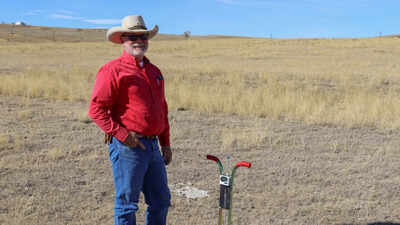
When Lance and Lisa Wheeler bought land in Colorado to build a family ranch, their ambition was to raise healthy food and create a sustainable way of farming. More than a decade later, their land is also becoming a refuge for grassland birds. According to Audubon Rockies, which published the couple’s story on August 31, 2026, bird species recorded at their Rafter W Ranch increased from 29 in 2019 to 37 in 2025, while grassland-bird detections doubled from 178 to 356. The numbers offer a striking glimpse of what can happen when livestock production and conservation are managed together.
From a childhood cowboy dream to a real ranch
Wheeler grew up in a Los Angeles suburb but dreamed of becoming a cowboy. His family had raised cattle in Texas for generations, although his own idea of ranching initially came more from watching Bonanza than experiencing life on a working ranch. That changed when he and Lisa began raising grass-fed meat, poultry and eggs on a small property in Elizabeth, Colorado, in the early 1990s.As they learned more about regenerative agriculture, they began thinking bigger. In 2014, the couple purchased land in Elbert County. Two years later, they acquired the neighbouring property and home. Today, their family-run operation, Rafter W Ranch, produces grass-fed beef, poultry and eggs, which it sells through an online ordering platform.But the Wheelers increasingly came to see that healthy livestock depended on something bigger: healthy land. “We’re not just raising meat, we’re actually farming grass,” Lance said, according to Audubon Rockies.The ranch became bird-friendlyIn 2018, Rafter W Ranch became certified through Audubon Conservation Ranching, a programme that promotes habitat management, environmental sustainability and animal welfare on working ranches.The Wheelers use adaptive and rotational grazing, moving cattle strategically across the property. Rather than allowing animals to graze the entire landscape uniformly, the approach creates areas with different grass heights. That variation matters for wildlife because different bird species depend on different kinds of grassland habitat.The ranch is now home to Western Meadowlarks, American Kestrels, Upland Sandpipers, Lark Buntings, Vesper Sparrows and Loggerhead Shrikes, among other species. The family also raises free-range chickens. The birds follow cattle in a mobile coop, picking through manure and helping incorporate it into the soil.
Bird numbers tell the story
The Wheelers have been monitoring the ranch alongside their conservation work, and the results have been encouraging.Audubon’s surveys found that species richness, the number of different bird species recorded, rose from 29 in 2019 to 37 in 2025.Grassland-bird detections increased from 178 to 356 over the same period. The ranch’s Bird-Friendliness Index, an Audubon measure incorporating bird abundance, diversity and resilience, also increased by about 4% annually, representing a cumulative rise of 26% since monitoring began.Audubon Conservation Ranching Director Dusty Downey attributed the progress largely to the Wheelers’ adaptive grazing practices and willingness to adjust their methods based on research and observations.
Farming for the future
The Wheelers’ work extends beyond grazing. Their ranch has participated in soil-health monitoring, erosion-control projects and efforts designed to improve water infiltration and resilience during drought. They have also opened the property for educational programmes, including bird walks and youth ranch experiences.For Lance, the work has changed his childhood idea of what being a cowboy meant. “Ranching is the most rewarding and the most humbling work that I’ve ever done,” he said.What began as a family’s effort to build a ranch has gradually become something larger: a working landscape where cattle, crops, soil and wildlife are managed as parts of the same ecosystem. And the bird surveys offer a measurable sign that the approach is making a difference, eight additional bird species recorded in six years, and twice as many grassland-bird detections.


