
In 2012, archaeologists digging up a Leicester parking lot unearthed a skeleton later DNA-identified as the long-lost King Richard III

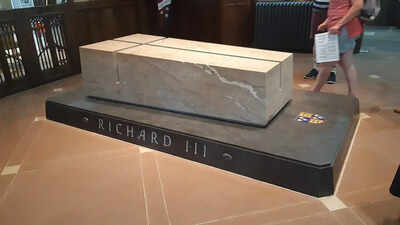
Usually, history tends to be found in magnificent churches or dusty old libraries, but once in a while, history will find you in places where you would not expect it at all. In the case of Leicester, it came in the form of the car park belonging to their Social Services building. Initially meant for a focused excavation, it became a major headline when the team unearthed an ancient skeleton that had a tale to tell. Not just any bones but those belonging to the last English king who died during battle, King Richard III.The project, which launched in August 2012, focused on a site known as Grey Friars. For centuries, historians believed Richard III had been buried in this Franciscan friary after his death at the Battle of Bosworth in 1485. However, as the friary was destroyed during the Reformation, the exact location of the church and the royal grave vanished from the city map. The University of Leicester team had to use historical planning and a bit of geological detective work to decide where to break the concrete. When they finally did, they found a skeleton that bore the physical marks of a violent end, resting exactly where the high altar of the lost church once stood.The science of identifying a fallen kingFinding a skeleton in a historic area is one thing, but proving it belonged to a controversial monarch is quite another. The team did not rely on gut feelings or legends. Instead, they launched a multi-disciplinary investigation that combined bone analysis with the latest genetic technology. According to the groundbreaking study titled Identification of the remains of King Richard III published in Nature Communications, the researchers used a layered approach to verification. They first looked at the “osteological” evidence, noting that the remains belonged to a man in his early thirties with a distinct curvature of the spine, a trait often associated with Richard III in historical accounts.It became even more convincing after examining the bones more carefully. As reported in King Richard III revisited, a peer-reviewed study in Forensic Science, Medicine and Pathology, the skeleton showed eleven different injuries which scientists believed happened at or just before the time of his death. The nine blows to the skull suggested that the helmet came off at the very end of his life during the fight at the Battle of Bosworth. And combining the radiocarbon data with such a detailed picture of the damage caused by these injuries made it possible to confirm the king’s identity beyond any doubt.
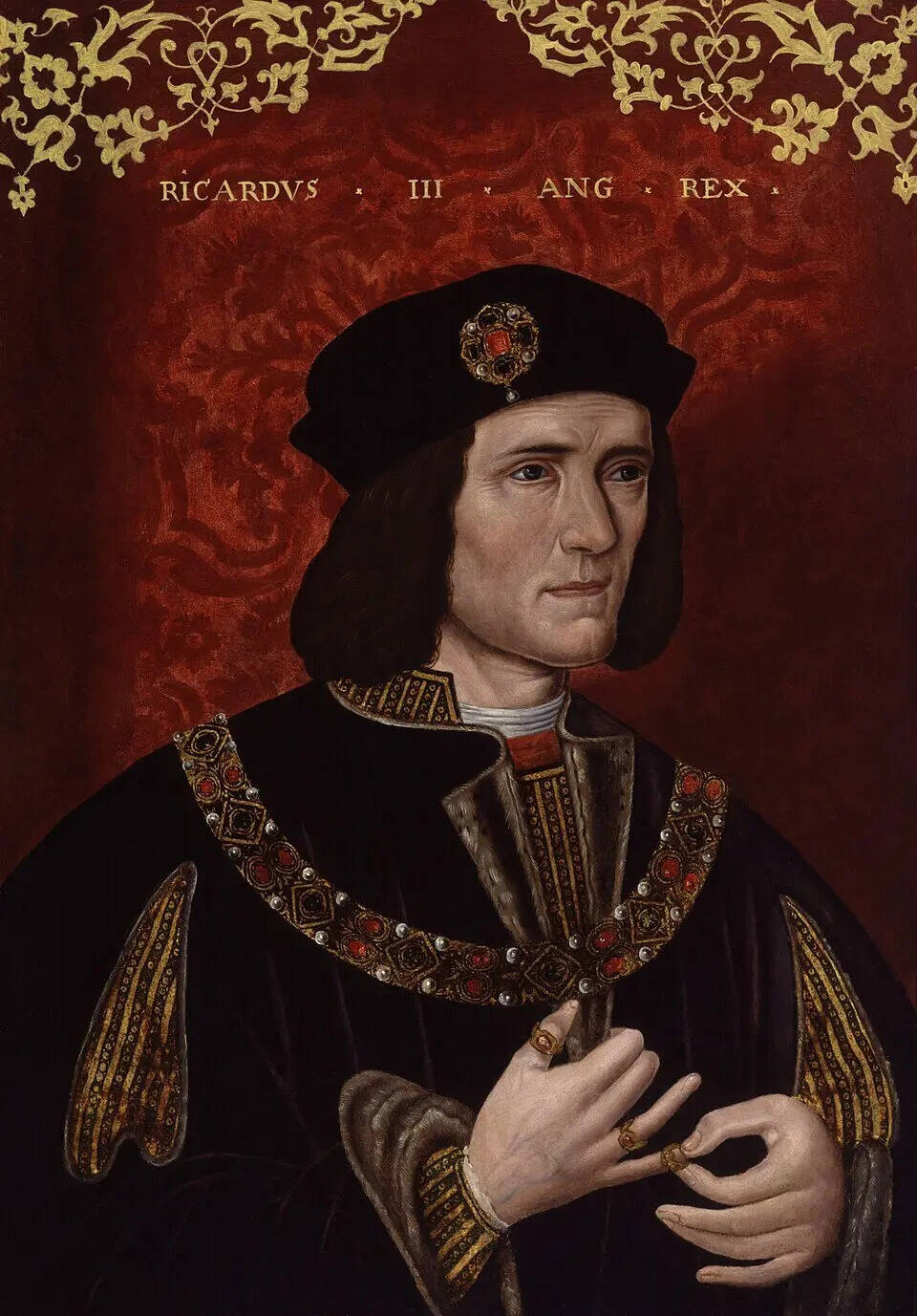
This discovery bridges the medieval and contemporary worlds, highlighting the rich history beneath urban landscapes. Image Credits: National Portrait Gallery, via Wikimedia Commons
At the last stage of the work, they traced Richard III’s female lineage back using samples of his sister, Anne of York’s, living descendants’ DNA and compared it with the extracted genetic material found in the teeth and bones. It turned out to be a perfect match, making it highly likely that the skeleton belonged to the long-dead king. In other words, the rare opportunity to combine the study of old DNA with genealogical analysis made the puzzle solved five hundred years ago a matter of science.A bridge between the medieval world and the contemporary periodIn this way, this study provides an important perspective on our own communities. It is a powerful reminder that the concrete and asphalt that dominate our urban landscapes overlay a far more complex past. In this case, a royal tomb survived Victorian development and even served its purpose during the twentieth century as part of a parking garage. Now, the location receives special protection as a testament to the complicated heritage of the British Isles.This is no longer a mere story or textbook example about Richard III. He is a person whose injuries and DNA traces can be identified now. This project revealed the power of cooperation between historians, geneticists, and archaeologists, who helped find the forgotten names and lives which were thought to be forever lost. This process was very slow, but each step taken brought more evidence proving that the people who lived many centuries ago could come to life again due to the power of science.The famous car park in Leicester became a museum. But what is important for everyone is that the main idea remains the same – our daily walks can be performed on the territory full of history. The only thing that one should do is to ask the proper question and make the necessary investigation in order to find a new piece of the ancient world, which was lost for many years.


