
In 1748, a search for water led to the uncovering of Pompeii, a city frozen in time for 1,700 years

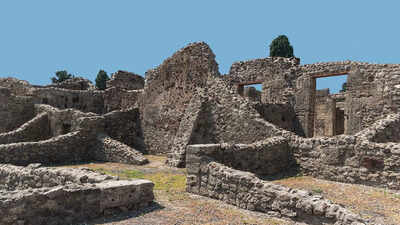
Think about drilling down into the ground to find nothing more than water, but suddenly finding yourself in another world. It is precisely what occurred back in 1748 under the supervision of Rocque Joaquin de Alcubierre. He was in charge of the excavations made by Bourbon King Charles VII around Naples and, consequently, found the volcanic crust covering one of the ancient Roman cities. Not only was he able to reveal a ruin or two, but Pompeii, an ancient city that had frozen in time due to Mount Vesuvius eruption in AD 79.This discovery shook all of Europe, transforming an engineering problem into the birthplace of modern archaeology. Prior to this discovery, the past world existed in whispers of written documents and broken stone. Then there appeared whole streets, intact homes complete with fresh bread baked inside their hearths, and colourful murals that looked as though they had been painted mere days ago. It was a revelation that transformed the Roman Empire back into something tangible, alive, and very much in the present.A city protected by its own fiery destructionPompeii’s unique state of preservation was directly due to how the volcano erupted. For many years, experts believed the victims had died through gradual suffocation under layers of ash. However, more contemporary research has proven otherwise. According to the study, Lethal Thermal Impact at Periphery of Pyroclastic Surges, the victims were probably killed instantly by a superheated air mass. The high temperatures, followed by airborne ash particles, created a protective blanket for the city by depriving it of both oxygen and the microorganisms that cause decomposition.This natural “vacuum seal” made it possible for the researchers to discover the site of Pompeii in a state of preservation which feels like time travel. As they got deeper into the area, Alcubierre and his group recognised that the volcanic ash had been used to fill the voids left by the decomposition process. As they poured the plaster into the voids, scientists could create extremely detailed impressions of the victims during the last moments of their lives. Instead of an archaeological site consisting of several buildings, they discovered a tragic reminder of a society that had experienced a catastrophic event.
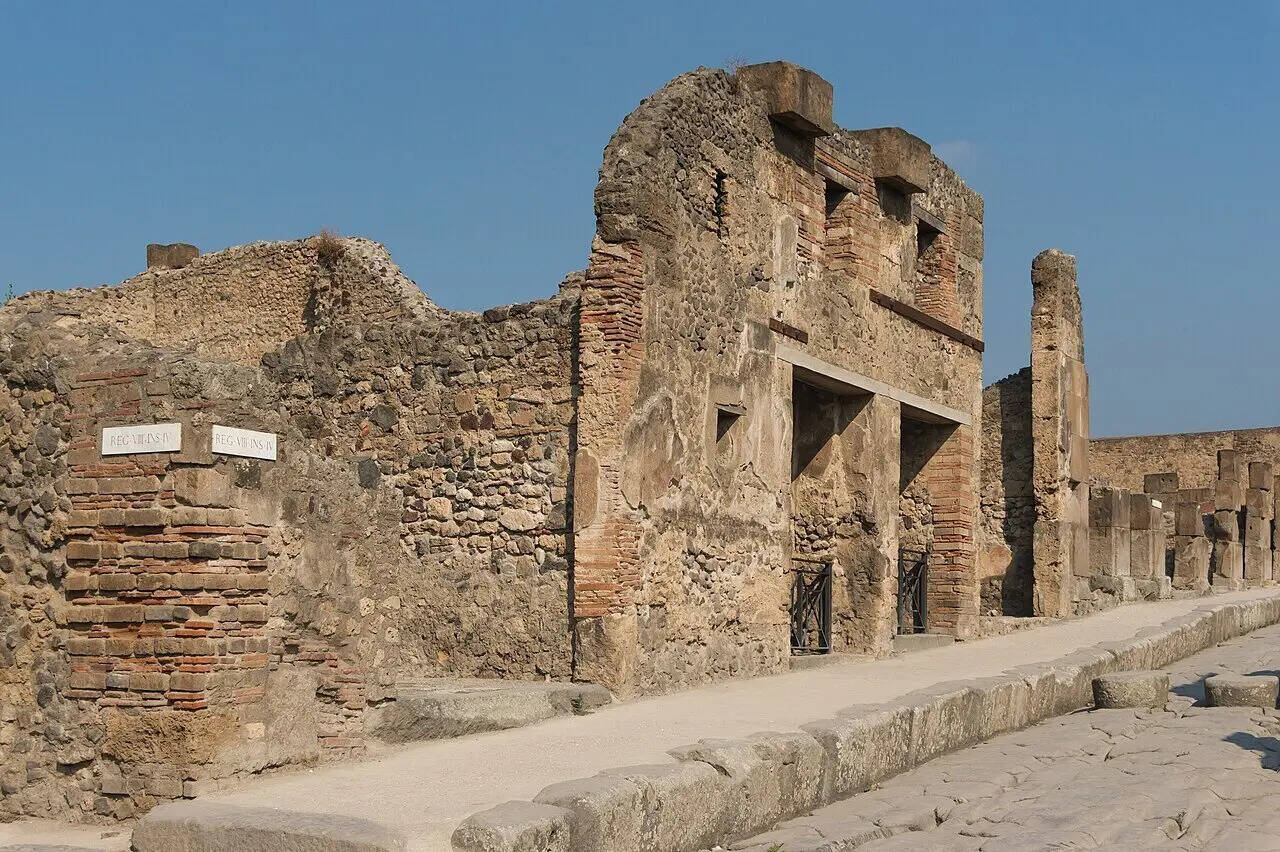
The eruption preserved the city, offering a unique glimpse into ancient Roman urban life and its people. The excavation sparked a cultural shift, influencing art and design across Europe. Image Credits: via Wikimedia Commons
The dirt and glory of early Roman urban lifeAs the dust settled on Pompeii after the event, it turned out to be quite a modern-looking place. It was much more than just a playground for the upper class because the excavation revealed many features of urbanism, such as quick food establishments, laundries, and even complex plumbing. In connection with the study A slave’s life in ancient Pompeii conducted at the University of Delaware, this particular dig provided information about the invisible side of ancient Rome – its working-class population.It sparked a massive culture change in the eighteenth century. As news spread of the findings, it filtered through all aspects of society – from interior design to clothing – setting off an international Neoclassical craze. Everybody wanted to get a piece of the Pompeii style. The excavation work was difficult and, according to today’s standards, scientifically sloppy. Early diggers focused on uncovering “treasures” for royal collections without realising the significant historical value of their findings.Pompeii is perhaps the most studied place on the planet despite a third of it being covered by volcanic ash. The past lies right under our feet, ever willing to surface with just a bit of digging into the ground. While Alcubierre embarked on his journey to locate water, he stumbled upon an archaeological treasure of the past that had remained perfectly preserved by the volcanic ashes.


