
(Image credits: Unicef) NEW DELHI: In a move that could change how maternal and child healthcare is delivered, the Centre has launched a new digital platform—JANANI (Journey of Antenatal, Natal and Neonatal Integrated Care)—to track pregnancies, deliveries and newborn care across the country.A key feature is a QR-based digital mother and child health card, which allows doctors to access medical records instantly—even if the patient moves to another state. This is expected to help migrant families, who often lose continuity of care.The platform, developed as an upgraded version of the government’s Reproductive and Child Health (RCH) portal—which tracks pregnancies, deliveries and child health—creates a longitudinal digital health record for every woman during her reproductive years, covering the full cycle from pregnancy and delivery to postnatal and newborn care, along with family planning.Unlike the earlier RCH system, JANANI offers real-time tracking, QR-based digital records and integration with other health programmes, allowing continuous monitoring and timely intervention.Dr. Rahul Manchanda, Hon. Senior Consultant (Endoscopic Gynecology), PSRI Hospital said that “This can improve key indicators such as maternal and neonatal mortality rates. A major benefit is portability of digital health records, especially for migrant populations, allowing continuity of care across states and cities. At the same time, strong safeguards must be in place to protect patient data and ensure records are accessed only by authorised personnel. The Digital Personal Data Protection (DPDP) Act should also incorporate robust protections for such healthcare platforms.”Officials said JANANI will help ensure that pregnant women and newborns do not miss critical check-ups, vaccinations or follow-ups. The system generates alerts and reminders, and also provides real-time dashboards for monitoring and targeted interventions.It can flag high-risk pregnancies early, allowing doctors to intervene in time and reduce complications.The platform also integrates with other national programmes such as U-WIN, which tracks immunisation, and POSHAN, which focuses on nutrition and child health, improving coordination across services. Women can register using Aadhaar, ABHA or a mobile number, and can also self-register through mobile or web platforms.So far, over 1.34 crore beneficiaries have been registered, including more than 30 lakh pregnant women, with over 30 lakh digital health cards generated.Officials said the aim is to strengthen last-mile delivery of healthcare and ensure that no mother or child falls through the cracks, especially in vulnerable and mobile populations.About the AuthorAnuja JaiswalAnuja Jaiswal is a Senior Assistant Editor at The Times of India, with an impressive 18-year career in narrative journalism. She specializes in health and heritage reporting, expertly simplifying complex health information to make it engaging and understandable for readers. Her deep dives into heritage topics are well-researched, resulting in captivating narratives that resonate with her audience. Over the years, she has worked in Chandigarh, Chhattisgarh and West UP, gaining diverse on-ground experience that shapes her storytelling.Read MoreEnd of ArticleFollow Us On Social MediaVideos234 Mango Varieties On One Tree? ICAR’s Incredible Experiment Stuns Shivraj Singh ChouhanFrom Panihati To Howrah’s Shibpur: Bengal Rocked By Multiple Bomb BlastsNida Khan Arrested In Explosive TCS Nashik Harassment And Religious Coercion CaseGovernor RN Ravi Dissolves West Bengal Assembly After Mamata Banerjee Refuses To ResignSatadru Dutta Accuses TMC’s Aroop Biswas Of Sabotaging Lionel Messi Kolkata EventWill Vijay Fight In Court For CM Post? | India Destroyed 13 Pakistani Aircraft | Headlines @9’Whatever Requires To Be Done’: Indian Air Force On Recent Missile Tests By Pakistan And China’Pending For Over 5 Yrs…’: India Reacts To Bangladesh’s ‘Pushback’ Remark After BJP’s Bengal Win’It Was Abhishek Banerjee’: BJP Blames TMC Leaders After Suvendu Adhikari’s Close Aide Shot Dead’No Terror Sanctuary Is Safe’: Indian Army Warns Pakistan On Op Sindoor Anniversary123Photostories10 weakest passports in the world in 2026; what limited visa-free access means for travellers10 dog breeds that secretly love travelling more than staying home10 baby boy names that symbolize calmness and tranquilityMorning affirmation at 5 AM: A quiet reset before the chaos beginsRashtrapati Bhavan treated the Vietnamese President with Punjabi and Haryanvi meal: This is what was served on the menuHow to make Gujarati Kadhi for summer dinner at homeHappy Birthday Sai Pallavi: ‘Amaran’, ‘Premam’, ‘Fidaa’ – Films of the natural star to binge-watch on OTTThings you are not allowed to do in your garden in the USSimple kitchen habits that may attract more lizards indoorsMet Gala 2026: Weirdest red carpet looks that stole the spotlight this year123Hot PicksBihar ministers listDelhi traffic advisoryDelhi rainPune child rape-murder casePerambur election resultIndia-New Zealand FTASugarcane price hikeTop TrendingLuka Doncic Injury UpdateWest Bengal ViolenceTamil Nadu Class 12 Result 2026Maharashtra Board SSC Result 2026Mumbai Watermelon Death CaseBihar cabinet expansionWBBSE Madhyamik Result 2026Salil AnkolaBihar Ministers ListRCB vs LSG IPL Match Today

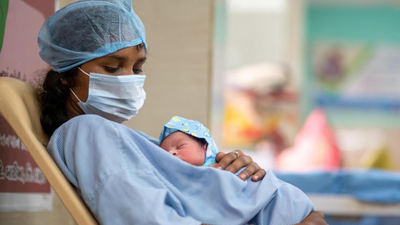
NEW DELHI: In a move that could change how maternal and child healthcare is delivered, the Centre has launched a new digital platform—JANANI (Journey of Antenatal, Natal and Neonatal Integrated Care)—to track pregnancies, deliveries and newborn care across the country.A key feature is a QR-based digital mother and child health card, which allows doctors to access medical records instantly—even if the patient moves to another state. This is expected to help migrant families, who often lose continuity of care.The platform, developed as an upgraded version of the government’s Reproductive and Child Health (RCH) portal—which tracks pregnancies, deliveries and child health—creates a longitudinal digital health record for every woman during her reproductive years, covering the full cycle from pregnancy and delivery to postnatal and newborn care, along with family planning.Unlike the earlier RCH system, JANANI offers real-time tracking, QR-based digital records and integration with other health programmes, allowing continuous monitoring and timely intervention.Dr. Rahul Manchanda, Hon. Senior Consultant (Endoscopic Gynecology), PSRI Hospital said that “This can improve key indicators such as maternal and neonatal mortality rates. A major benefit is portability of digital health records, especially for migrant populations, allowing continuity of care across states and cities. At the same time, strong safeguards must be in place to protect patient data and ensure records are accessed only by authorised personnel. The Digital Personal Data Protection (DPDP) Act should also incorporate robust protections for such healthcare platforms.”Officials said JANANI will help ensure that pregnant women and newborns do not miss critical check-ups, vaccinations or follow-ups. The system generates alerts and reminders, and also provides real-time dashboards for monitoring and targeted interventions.It can flag high-risk pregnancies early, allowing doctors to intervene in time and reduce complications.The platform also integrates with other national programmes such as U-WIN, which tracks immunisation, and POSHAN, which focuses on nutrition and child health, improving coordination across services. Women can register using Aadhaar, ABHA or a mobile number, and can also self-register through mobile or web platforms.So far, over 1.34 crore beneficiaries have been registered, including more than 30 lakh pregnant women, with over 30 lakh digital health cards generated.Officials said the aim is to strengthen last-mile delivery of healthcare and ensure that no mother or child falls through the cracks, especially in vulnerable and mobile populations.


