
Image credit: ANI NEW DELHI: The Centre on Thursday launched a digital platform to monitor compliance with tobacco-free norms in schools and colleges and unveiled a new standard operating procedure for collection and testing of tobacco product samples, strengthening efforts to curb tobacco and nicotine addiction among young people.The pilot version of the Tobacco-Free Educational Institutions (ToFEI) Application was launched by Union Health Secretary Punya Salila Srivastava during a national event organised under the National Tobacco Control Programme in the run-up to World No Tobacco Day, observed annually on May 31.The digital platform has been designed to facilitate self-assessment and reporting by educational institutions, monitor compliance with tobacco-free campus guidelines and support implementation of mandatory tobacco-control signages.The pilot phase will be implemented in Rajasthan, Maharashtra and Meghalaya to assess operational feasibility and strengthen reporting systems before a wider rollout across the country.It will also help enforce the prohibition on sale of tobacco products within 100 yards of educational institutions and promote awareness and sensitisation activities among students and teachers.Officials said the application is expected to strengthen accountability and create healthier, tobacco-free environments for children and adolescents through standardised monitoring, reporting and compliance assessment mechanisms.On the occasion, the health ministry also released a Standard Operating Procedure (SOP) for Sample Collection of Tobacco Products, aimed at strengthening surveillance, regulatory compliance and quality assurance related to tobacco products.The SOP lays down standardised procedures for collection, handling, storage, transportation and documentation of tobacco product samples to ensure consistency and reliability in testing processes.Addressing the gathering, Srivastava said this year’s World No Tobacco Day theme, “Unmasking the Appeal – Countering Nicotine and Tobacco Addiction,” was particularly relevant in the context of protecting young people from the harmful effects of tobacco and nicotine use.She noted that tobacco and nicotine products are increasingly marketed through attractive flavours, packaging, surrogate advertising and digital media content that can make them appear appealing to young users.The Health Secretary said the two initiatives reflect important pillars of the government’s strategy to protect present and future generations from the health, social, economic and environmental consequences of tobacco and nicotine addiction.Health experts say preventing tobacco use among adolescents remains critical, as most tobacco users initiate the habit during their teenage years. They note that stronger enforcement of tobacco-control measures in educational institutions can help reduce early exposure and addiction.About the AuthorAnuja JaiswalAnuja Jaiswal is a Senior Assistant Editor at The Times of India, with an impressive 18-year career in narrative journalism. She specializes in health and heritage reporting, expertly simplifying complex health information to make it engaging and understandable for readers. Her deep dives into heritage topics are well-researched, resulting in captivating narratives that resonate with her audience. Over the years, she has worked in Chandigarh, Chhattisgarh and West UP, gaining diverse on-ground experience that shapes her storytelling.Read MoreEnd of ArticleFollow Us On Social MediaVideosTechnical Glitch Or Governance Failure: Who Is Accountable For Tourist Safety Disasters?Congress Eyes “Kerala Model” For Karnataka Cabinet Amid Siddaramaiah Exit Buzz“Some People Trying To Misuse CID”: Kunal Ghosh Questions Agency Visit To His HomeSupreme Court Pulls Up NTA Over NEET 2026 Leak | Centre Says PM Modi Supervising Reforms’No Need To Sing Vande Matram In…’ Pinarayi Vijayan Hits out at Centre, BJP After Row In Assembly₹1,000 Crore for Damage Control: The Real Cost of India’s Exam CrisisWhy Japan Banned Indian Mango Shipments, Alphonso & Kesar Exports Face Major Crisis?335 Detainees Held As Bengal Activates Holding Centres Under Detect Delete Deport PolicyCyprus Plans BrahMos Missile Purchase From India, Raising Security Concerns In TurkeySupreme Court Allows Vinesh Phogat To Participate In Asian Games Trials123Photostories7 alligator facts that sound hard to believe10 unique sea snakes and places they can be found on beach by travellersMorning affirmation at 5 am: What you say to yourself before sunrise may affect your mood all dayHow to make Mushroom Oats Omelette for summer breakfast5 Snakes that love British gardensBefore Vaibhav Sooryavanshi: 7 sports child wonderkids who changed historyMeghan Markle’s favourite summer fashion picks just got a massive price dropFrom ‘National Treasure’ to ‘Longlegs’: Top 5 Nicolas Cage movies you need to watch right nowPoha turns mushy and soggy? 4 common mistakes that people commit and easy fixes7 foods linked to healthy aging and longevity123Hot PicksSimone BilesVinesh PhogatMonsoon ForecastHenry Nowak murderFrancisco CerundoloDonald TrumpGold price predictionTop TrendingBenjamin NetanyahuD GukeshVaibhav sooryavanshi IPL auctionPunjab Local Body Election ResultCockroach Janta PartySupreme CourtNEET UG 2026 fee refundBSEB Bihar Sakashmta Pariksha Admit CardNTANEET Paper Leak

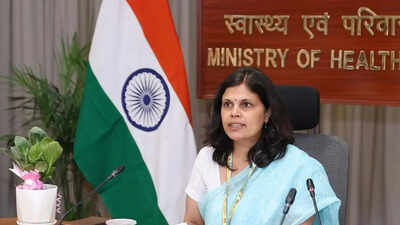
NEW DELHI: The Centre on Thursday launched a digital platform to monitor compliance with tobacco-free norms in schools and colleges and unveiled a new standard operating procedure for collection and testing of tobacco product samples, strengthening efforts to curb tobacco and nicotine addiction among young people.The pilot version of the Tobacco-Free Educational Institutions (ToFEI) Application was launched by Union Health Secretary Punya Salila Srivastava during a national event organised under the National Tobacco Control Programme in the run-up to World No Tobacco Day, observed annually on May 31.The digital platform has been designed to facilitate self-assessment and reporting by educational institutions, monitor compliance with tobacco-free campus guidelines and support implementation of mandatory tobacco-control signages.The pilot phase will be implemented in Rajasthan, Maharashtra and Meghalaya to assess operational feasibility and strengthen reporting systems before a wider rollout across the country.It will also help enforce the prohibition on sale of tobacco products within 100 yards of educational institutions and promote awareness and sensitisation activities among students and teachers.Officials said the application is expected to strengthen accountability and create healthier, tobacco-free environments for children and adolescents through standardised monitoring, reporting and compliance assessment mechanisms.On the occasion, the health ministry also released a Standard Operating Procedure (SOP) for Sample Collection of Tobacco Products, aimed at strengthening surveillance, regulatory compliance and quality assurance related to tobacco products.The SOP lays down standardised procedures for collection, handling, storage, transportation and documentation of tobacco product samples to ensure consistency and reliability in testing processes.Addressing the gathering, Srivastava said this year’s World No Tobacco Day theme, “Unmasking the Appeal – Countering Nicotine and Tobacco Addiction,” was particularly relevant in the context of protecting young people from the harmful effects of tobacco and nicotine use.She noted that tobacco and nicotine products are increasingly marketed through attractive flavours, packaging, surrogate advertising and digital media content that can make them appear appealing to young users.The Health Secretary said the two initiatives reflect important pillars of the government’s strategy to protect present and future generations from the health, social, economic and environmental consequences of tobacco and nicotine addiction.Health experts say preventing tobacco use among adolescents remains critical, as most tobacco users initiate the habit during their teenage years. They note that stronger enforcement of tobacco-control measures in educational institutions can help reduce early exposure and addiction.


