
IIT Guwahati researchers develop portable device that quickly detects toxic metals in water NEW DELHI: Researchers at IIT Guwahati have developed a portable optical sensing device that can quickly detect toxic metals, fluoride and bacteria in water samples, offering a low-cost tool for on-site water-quality checks in rural areas and places without easy access to laboratories.Named E-Eye, the device has detected arsenic, lead, iron, chromium, fluoride and Escherichia coli bacteria during laboratory tests, the institute said on Thursday. The estimated cost of the device is about Rs 3,500, with each sample test costing around Rs 2.The device uses a chemical reaction that produces a coloured compound. The intensity of the colour changes according to the concentration of the contaminant. E-Eye analyses the colour through optical sensing, converts the reading into digital data and displays the concentration of the toxicant.According to the researchers, the portable system can be deployed directly at water sources, unlike conventional testing equipment that generally requires samples to be taken to laboratories. It can also wirelessly transmit test results to water-treatment facilities.The team said E-Eye’s results were comparable with those obtained through standard UV-Visible and Atomic Absorption spectrophotometers. More than 2,700 samples have been tested using the device, it added.“The device operates on the Beer-Lambert law and combines optical sensing with digital electronics to generate accurate quantitative measurements. Our device has been able to successfully detect toxicants such as arsenic, lead, iron, chromium, fluoride, and Escherichia coli bacteria,” said Tapas K Mandal, professor in IIT Guwahati’s department of chemical engineering.The researchers said the device could support water-quality monitoring under the Centre’s Jal Jeevan Mission, which seeks to provide tap water to rural households while ensuring that the water supplied is safe.Apart from drinking water, E-Eye can be used to test environmental and biological samples, vegetables, food products, tea, herbal products, soil and milk, the institute said. It may also help industries monitor liquid effluents containing heavy metals, bacteria and odour-causing compounds.Join conversationView All Comments →Share your thoughts in the commentsInsightfulAgreeDisagreeSkepticalConcerningPromisingWorth ReadingBig DevelopmentPost CommentBe respectful · TOI community guidelinesThe research, supported by a grant from the ministry of electronics and information technology, has been published in the IEEE Sensors Journal. The team includes IIT Guwahati professors Mandal and Harshal B Nemade, along with researchers from the institute, KIIT Bhubaneswar and Ramakrishna Mission Residential College, Kolkata.The researchers have set up ENVIONIX Labs Pvt Ltd to commercialise the technology and are exploring an industry partnership for its transfer. They are also working to integrate solar panels and cloud connectivity into the device for remote monitoring and data management.Get the latest India News and Live updates. Download the TOI app.About the AuthorManash Pratim GohainManash Pratim Gohain is a seasoned journalist with over two decades at The Times of India, where he has built a rich body of work spanning education policy, politics, and governance. Renowned for his incisive coverage of the National Education Policy (NEP) 2020, accreditation reforms, and skilling initiatives, he has also reported on student politics, urban policy, and social movements. His political reportage—both reflective and news-driven—adds depth to his writing, bridging policy with public impact. Through his 2,500 articles and related outlets, he has emerged as a trusted voice in national discourse, particularly in linking education reform to broader societal change.Read MoreEnd of ArticleFollow Us On Social MediaVideosBombay HC Convicts Tehelka Founder Tarun Tejpal In 2013 Sexual Assault Case; Reverses 2021 AcquittalThe Bankipur Effect: How One Bypoll Has Put BJP’s Upper-Caste Strategy Under The SpotlightSupreme Court Frees Man After 22 Years In Jail, Overturns Wrong ConvictionJPSC-JSSC Protesters Hold Tiranga March In Ranchi Ahead Of Aug 10 Assembly Gherao Over Leak RowKanpur-Lucknow Expressway Toll Suspended After Road Slippage, NHAI Acts Against Contractor’It’s My Moral Call To Be Here’: Author Nilotpal Mrinal Joins Ranchi Student ProtestMeta CEO Mark Zuckerberg Apologises Over PM Modi Video Row, Admits Paid Content BoostingJharkhand Students Display Mark Sheets, Allege Irregularities In JPSC-JSSC Evaluation’Merit Can’t Beat Money’: Jharkhand Aspirant On Hunger Strike Demand Strong JPSC-JSSC Reforms’I’m A Farmer’s Son, I Can’t Buy Papers’: In JPSC-JSSC Exam Leak, Students Demand CBI Probe123PhotostoriesNot everything you were taught was meant to set you free: 8 beliefs every woman needs to unlearn to finally live life on her own terms5 simple ways to reheat pizza so it tastes fresh again: Which method works best and why5 subtle signs the universe is preparing you for a new beginningInside Nagma Mirajkar’s dreamy Mumbai home: A massive living room, a balcony with stunning views and more10 money habits you should learn in your 20s to build long-term wealth15000-year-old bones and teeth reveal what humans ate before agricultureFrom tiger cubs to penguin chicks: 7 incredible places to witness baby animals in the wildSuriya says the secret to his 20-year marriage with Jyotika is surprisingly simple: ‘Keep loving every day’Why Indians eat pickle with every meal: Is there actually a reason?Is 10,000 steps really necessary? Doctor explains whether 6,000 steps are enough for a healthy heart and what science actually says123Hot PicksSaurav DasDelhi rainAbhijeet DipkeRRB ALP CBT 2 answer keyTN Agriculture BudgetTASMAC OnlineAnkur WarikooUPI transactionsGold rate todayTop TrendingAkhilesh YadavNagpur Rape CaseAbhijeet DipkeTasmac Liquor Online PurchaseJPSC ProtestNagpur Rape CaseDelhi Wife MurderAkhilesh YadavTamil Nadu BudgetPraveen Nettaru Murder Case

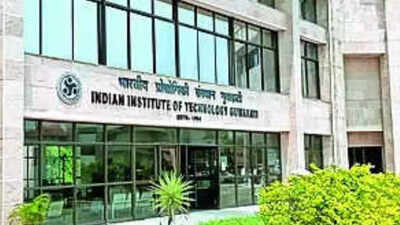
NEW DELHI: Researchers at IIT Guwahati have developed a portable optical sensing device that can quickly detect toxic metals, fluoride and bacteria in water samples, offering a low-cost tool for on-site water-quality checks in rural areas and places without easy access to laboratories.Named E-Eye, the device has detected arsenic, lead, iron, chromium, fluoride and Escherichia coli bacteria during laboratory tests, the institute said on Thursday. The estimated cost of the device is about Rs 3,500, with each sample test costing around Rs 2.The device uses a chemical reaction that produces a coloured compound. The intensity of the colour changes according to the concentration of the contaminant. E-Eye analyses the colour through optical sensing, converts the reading into digital data and displays the concentration of the toxicant.According to the researchers, the portable system can be deployed directly at water sources, unlike conventional testing equipment that generally requires samples to be taken to laboratories. It can also wirelessly transmit test results to water-treatment facilities.The team said E-Eye’s results were comparable with those obtained through standard UV-Visible and Atomic Absorption spectrophotometers. More than 2,700 samples have been tested using the device, it added.“The device operates on the Beer-Lambert law and combines optical sensing with digital electronics to generate accurate quantitative measurements. Our device has been able to successfully detect toxicants such as arsenic, lead, iron, chromium, fluoride, and Escherichia coli bacteria,” said Tapas K Mandal, professor in IIT Guwahati’s department of chemical engineering.The researchers said the device could support water-quality monitoring under the Centre’s Jal Jeevan Mission, which seeks to provide tap water to rural households while ensuring that the water supplied is safe.Apart from drinking water, E-Eye can be used to test environmental and biological samples, vegetables, food products, tea, herbal products, soil and milk, the institute said. It may also help industries monitor liquid effluents containing heavy metals, bacteria and odour-causing compounds.
Share your thoughts in the comments
Be respectful · TOI community guidelines
The research, supported by a grant from the ministry of electronics and information technology, has been published in the IEEE Sensors Journal. The team includes IIT Guwahati professors Mandal and Harshal B Nemade, along with researchers from the institute, KIIT Bhubaneswar and Ramakrishna Mission Residential College, Kolkata.The researchers have set up ENVIONIX Labs Pvt Ltd to commercialise the technology and are exploring an industry partnership for its transfer. They are also working to integrate solar panels and cloud connectivity into the device for remote monitoring and data management.


