
“I am always doing that which I cannot do, in order that I may learn how to do it.”

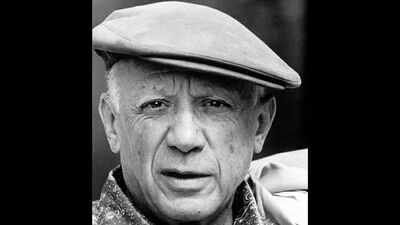
Pablo Picasso was a Spanish painter and sculptor and is regarded as the co-founder of Cubism and one of the most influential artists of the 20th century.He spent his life experimenting with new forms of art and ideas and is known for constantly reinventing his style, going beyond the routine and the prevalent forms to work and create the extraordinary, something that was not seen before.He once spoke about doing tasks repeatedly, even those that one cannot do. But why would anyone keep doing what they cannot do?His idea speaks to the truth about growth that real learning rarely happens inside the comfort zone. It begins when we attempt something slightly beyond our current ability, stumble, adjust, and try again.
Quote of the day
I am always doing that which I cannot do, in order that I may learn how to do it
Pablo Picasso
What does the quote mean?
Picasso advises deliberately choosing tasks that one has not mastered yet, because that is exactly how he learnt too. Instead of waiting until he feels ready, he starts before he is ready. He accepts all the difficulties, confusion, and failure as part of the process, knowing that skill is built through repeated attempts at the edge of ability.This is the essence of a mindset that wants to learn. When we only do what we already know, we stay comfortable but stop growing. When we regularly attempt what we “cannot do yet,” we stretch our capacity. Each attempt teaches us something, what doesn’t work, what needs adjustment, and what new approach might help. Over time, the impossible becomes possible, then ordinary, then a foundation for the next challenge.
Learning is an active process, not passive
Picasso says that a skill cannot be acquired from watching or wishing, but from doing, especially doing what feels difficult. He advises choosing the edge of your ability, working there consistently, and letting the struggle itself become your teacher.It also normalizes failure. If you are only doing what you can already do, you will rarely fail, but you will also rarely improve. If you are regularly doing what you cannot yet do, failure becomes expected feedback, not a verdict on your worth.


