
How to protect wooden furniture from moisture damage during the monsoon

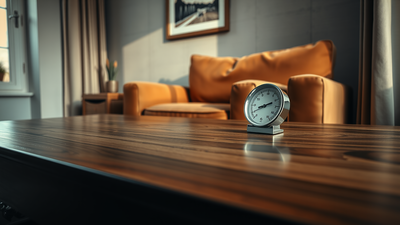
A cabinet door that once glided smoothly starts sticking, and a once glossy tabletop turns hazy and dull. This is not random bad luck; it comes down to one factor: the humidity in the air. Wood behaves like a living material even after it has been shaped into furniture, absorbing moisture from the surrounding air and expanding as a result, then releasing that moisture and shrinking back once the air turns drier again. During the monsoon, when indoor humidity climbs noticeably higher than usual for weeks at a stretch, this natural movement becomes pronounced enough to jam drawers, warp doors and invite mould. Most of this damage is preventable with a few consistent habits applied before and during the rainy season.
Why humidity affects wood in the first place
Wood constantly exchanges moisture with the surrounding air, moving toward what is known as equilibrium moisture content, the point at which it neither gains nor loses moisture at a given humidity and temperature. According to the Wood Handbook published by the USDA Forest Service’s Forest Products Laboratory, as relative humidity rises, wood holds more moisture and expands, and as humidity falls, it releases that moisture and shrinks again. This exchange happens gradually and continuously rather than at any single fixed threshold, but the practical effect during a long, humid monsoon is the same: sustained high humidity keeps pushing wood toward a higher moisture content, and prolonged dampness in enclosed, poorly ventilated spaces is also the kind of condition that allows mould to take hold.
6 ways to protect your wooden furniture from monsoon moisture damage
- Sealing the wood before the rains arrive
The single most effective step is applying polish or sealant before monsoon season begins, ideally in May or early June. A polyurethane finish offers a strong moisture barrier and works well on dining tables, beds and wardrobes, while melamine polish suits general indoor furniture. Natural wax or oil finishes are better suited to rustic pieces, though they need to be reapplied more frequently to stay effective. Whatever finish is used, it should be applied in the direction of the wood grain, and harsh scrubbing or chemical cleaners should be avoided during this process.
- Managing the humidity inside your home
Beyond treating the furniture itself, controlling indoor humidity levels makes a real difference. Running an air conditioner in dry mode helps remove moisture from a room without overcooling it, while a simple digital hygrometer placed near furniture makes it easy to keep an eye on humidity and notice when conditions start turning damp. A dehumidifier or a well-positioned ceiling fan can serve a similar purpose in rooms without air conditioning.
- Positioning furniture to avoid hidden moisture
Where furniture sits in a room matters more than most people realise. Walls absorb rainwater from outside, and furniture placed directly against a wall can end up absorbing that same moisture indirectly. Leaving a gap of two to three inches between furniture and the wall allows air to circulate properly and helps prevent hidden moisture from building up behind wardrobes, sofas and bookshelves. It is also worth checking for any visible seepage on walls behind furniture, since dampness found there should be addressed before it spreads further.
- Protecting enclosed spaces and furniture legs
Drawers, wardrobes and sideboards benefit from silica gel packs placed inside enclosed compartments, since these help absorb excess moisture in spaces with little airflow. These packs should be left in direct sunlight for two to three hours each month to dry out and stay effective, or replaced once they stop working. Furniture legs deserve attention too, particularly in homes with stone or tile flooring, older houses or ground floor apartments, where rubber or felt caps on furniture legs help block moisture from travelling up from damp floors into the wood itself.
- Simple daily habits that make a real difference
Wiping furniture down each morning with a dry, soft microfibre cloth costs nothing and prevents surface moisture from settling into the wood overnight. When a deeper clean is needed, a cloth lightly dampened with mild soap works better than anything harsher, followed by drying the surface thoroughly. On dry days between spells of rain, opening windows on opposite sides of a room helps clear out trapped humid air, while switching to cotton curtains rather than heavy drapes during particularly wet weeks helps rooms dry out faster after rainfall.
- Dealing with mould as soon as it appears
If mould does appear despite these precautions, treating it quickly limits the damage. A mixture of one part white vinegar to three parts water, applied with a soft cloth and wiped dry promptly, works effectively on early mould growth, with the furniture then left to dry fully for 24 hours afterwards. Diluted neem oil serves as a natural fungicide for more persistent mould problems. Bleach should never be used on solid wood furniture, since it can permanently damage both the finish and the structural integrity of the wood underneath.A little consistency goes a long wayNone of these steps requires special expertise or expensive equipment, just consistency applied at the right moments through the monsoon season. Sealing furniture before the rains, watching indoor humidity, giving pieces some breathing room from walls and floors, and responding quickly to the first signs of mould are enough to keep most wooden furniture in good condition through even a particularly wet monsoon.


