
How To Keep Coriander Fresh: 5 tips to keep coriander leaves (dhania patta) fresh for weeks

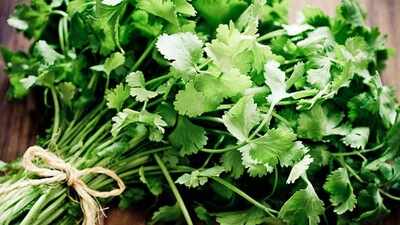
There’s nothing more frustrating, for most of us, than buying a fresh bunch of dhania, using half of it for one meal, and finding the rest a wilted, blackened mess in the fridge just two days later. Coriander is one of the more delicate herbs in an Indian kitchen, and the way most people store it, tossed loosely into a plastic bag and shoved into the vegetable drawer, is almost guaranteed to speed up that decay rather than slow it down. The good news is that with a few small changes to how you wash, dry, and store it, a single bunch of dhania can genuinely stay fresh and usable for weeks instead of days. Here are five tips worth building into your routine.
Dry it completely before storing
This is the single most important step, and skipping it undoes almost every other tip on this list. After washing the leaves to remove dirt and any lingering pesticide residue, spread them out on a clean kitchen towel or paper towel and let them air dry fully, which usually takes one to three hours depending on humidity. Any leftover moisture clinging to the leaves or stems becomes the perfect environment for rot and sliminess to set in within a day or two. Patting them dry isn’t quite enough on its own, giving them proper time to air out completely makes the real difference.
Store it like a bouquet of flowers
Treating dhania the way a florist treats cut flowers is one of the most effective tricks available, and it’s backed by real testing, not just kitchen folklore. Trim the bottom of the stems, stand the bunch upright in a jar with about an inch of water, and loosely cover the leaves with a plastic bag before placing the whole thing in the fridge. Changing the water every couple of days keeps it from turning stagnant, and this method alone has been shown to keep coriander crisp and fresh for close to a month, far longer than simply bagging it and hoping for the best.
Use the paper towel and airtight container method
If fridge space is tight or a water jar feels like too much fuss, this method is nearly as effective. Once the leaves are completely dry, wrap them loosely in a paper towel and place them inside an airtight container or a sealed ziplock bag, pressing out as much excess air as possible. The paper towel absorbs any residual moisture that builds up over time, which is usually what causes leaves to turn slimy or black in a regular container. Done properly, this method can keep coriander fresh for anywhere from one to three weeks in the refrigerator.
Don’t chop it until you’re ready to use it
It’s tempting to chop the whole bunch in advance to save time later, but this is one of the quickest ways to shorten dhania’s shelf life. Cut leaves oxidise and turn black noticeably faster than whole sprigs, sometimes within just four or five days, even when stored properly otherwise. Keeping the leaves whole, stems intact, and only chopping the amount you need right before cooking preserves both the colour and the flavour for significantly longer than pre-chopping the entire bunch out of convenience.
Freeze it for long-term storage
For dhania you know you won’t use up within a few weeks, freezing is genuinely the most reliable option. Wash and thoroughly dry the leaves, chop them, and pack them into ice cube trays topped up with a little water or oil, then transfer the frozen cubes into a freezer bag once solid. Stored this way, coriander can last for several months rather than weeks, ready to drop straight into curries, dals, or chutneys without needing to thaw first. It won’t work for garnishing a dish fresh, but for cooking, it holds onto flavour remarkably well.
Disclaimer:
This article is intended for general informational purposes only. Storage times can vary depending on the freshness of the coriander at purchase, humidity, and refrigerator conditions. Always check for signs of spoilage, such as sliminess, discolouration, or an off smell, before using stored coriander.


