
Health experts have repeatedly cautioned that antimicrobial resistance is emerging as one of India’s most serious public health challenges NEW DELHI: PM Narendra Modi on Sunday flagged the growing threat of antibiotic resistance and urged people to stop using these drugs without medical advice, saying “antibiotics are not medicines that should be taken mindlessly”. Speaking in his monthly radio address ‘Mann Ki Baat’, Modi cited a recent report by Indian Council of Medical Research (ICMR) that showed antibiotics are increasingly proving ineffective against common infections such as pneumonia and urinary tract infections. He said the trend should worry everyone.He pointed to indiscriminate consumption of antibiotics as a major driver of rising resistance and warned the belief that “one pill can cure everything” is making infections stronger than the drugs designed to treat them.Urging restraint, he appealed to citizens to avoid self-medication, particularly with antibiotics, and to consult doctors before taking such medicines. “Responsible use,” he said, “is essential not only for individual health but also to preserve effectiveness of life-saving drugs for society at large.”Modi said greater public awareness and discipline in medicine use are crucial to reversing the trend. “Following medical advice will prove helpful in improving your health,” he said.Health experts have repeatedly cautioned that antimicrobial resistance (AMR) is emerging as one of India’s most serious public health challenges. ICMR has flagged irrational antibiotic use, often without prescriptions, as a key factor accelerating resistance, raising concerns that routine infections could become harder to treat.Adding clinical perspective, Dr Hitender Gautam, professor in department of microbiology at AIIMS, said antimicrobial resistance has become one of the most pressing global health threats of 21st century. “Indiscriminate use of antibiotics delays treatment, increases healthcare costs and forces doctors to shift to higher-end drugs with greater side effects, raising risk of serious illness and morbidity and mortality,” he said.Often described as a “silent pandemic”, AMR requires urgent action, he said. “Without preventive measures, projections suggest AMR could become one of the leading causes of mortality worldwide by 2050,” he added.About the AuthorAnuja JaiswalAnuja Jaiswal is a Senior Assistant Editor at The Times of India, with an impressive 18-year career in narrative journalism. She specializes in health and heritage reporting, expertly simplifying complex health information to make it engaging and understandable for readers. Her deep dives into heritage topics are well-researched, resulting in captivating narratives that resonate with her audience. Over the years, she has worked in Chandigarh, Chhattisgarh and West UP, gaining diverse on-ground experience that shapes her storytelling.Read MoreEnd of ArticleFollow Us On Social MediaVideosOwaisi Urges Protection of Bangladesh Minorities Ahead of February Polls‘Love Jihad Claim False’: UP Woman Speaks Out After Bajrang Dal Crashes BirthdayUnnao Rape Case: Activists Protest Outside Delhi High Court Over Sengar BailShashi Tharoor Responds To Digvijaya Singh, Says Congress Needs Discipline, Not Lessons From RSSPakistan FM Says Islamabad Will Proactively Rebuild Relations With Bangladesh Post PollsHadi Killing: Dhaka Police Say Main Accused Escaped to India via MeghalayaPakistan FM Ishaq Dar Admits India Hit Nur Khan Air Base In Operation Sindoor Strikes‘Advised Me To Hide In Bunker’: Pak President Zardari On Op Sindoor, Responds To PM Modi’s WarningIndian Army Intensifies Anti-Terror Ops In J&K To Flush Out Pak Terrorists Amid Chillai KalanBJP Hails Shashi Tharoor’s Remarks On India’s Foreign Policy, Congress Hits Back123PhotostoriesHow to use AI to create romantic couple poses and pictures: 5 effective prompts5 Bangkok facts you probably didn’t knowTV soaps that went off air in 2025: ‘Bade Achhe Lagte Hain 4’ to ‘Suman Indori’Is foul-smelling poop a symptom of cancer?TV celebrities who passed away in 2025: From Satish Shah to Achyut PotdarBloating vs belly fat: Easy signs that tell the difference and why it matters10 rice dishes from around the worldAntibiotic resistance: Why common infections are getting harder to treatThalapathy Vijay fitness secrets: How simple workouts and balanced food keep him fit at 516 strange and haunting lines from books and classics123Hot PicksKuwait NYEPAN-Aadhaar linkingJeffrey EpsteinGold rate todayIncome Tax RefundIndian Railways fareBank Holidays DecemberTop TrendingFrank Lampard and Christine Lampard Net WorthJordan Spieth Net WorthJake Paul and Jutta Net WorthBode Miller Net WorthTravis KelceWayne GretzkyPatrick MahomesNavjot Singh SidhuChloe KimNew York Yankees
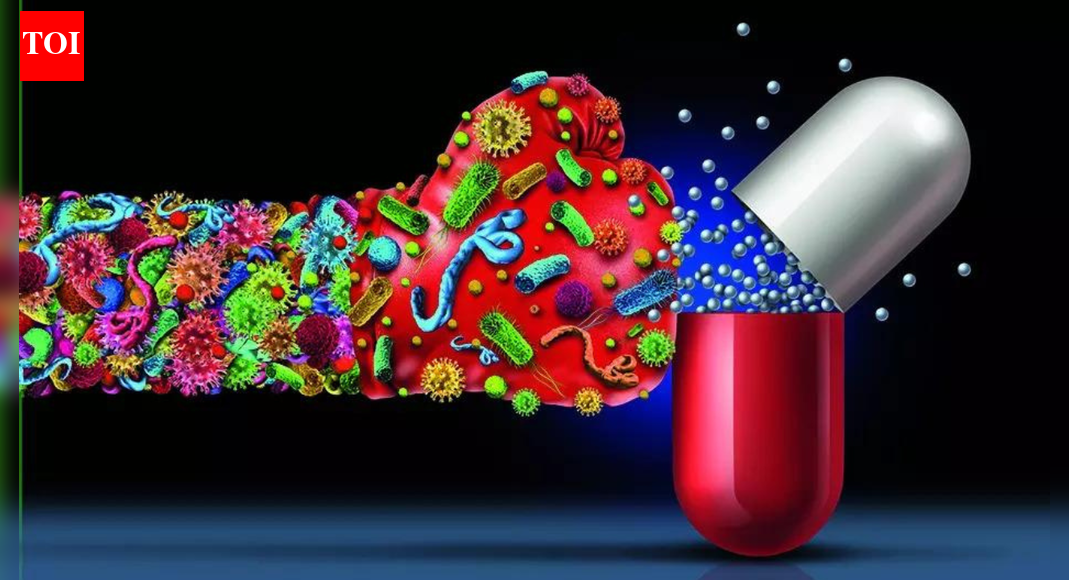
Health experts have repeatedly cautioned that antimicrobial resistance is emerging as one of India’s most serious public health challenges
NEW DELHI: PM Narendra Modi on Sunday flagged the growing threat of antibiotic resistance and urged people to stop using these drugs without medical advice, saying “antibiotics are not medicines that should be taken mindlessly”. Speaking in his monthly radio address ‘Mann Ki Baat’, Modi cited a recent report by Indian Council of Medical Research (ICMR) that showed antibiotics are increasingly proving ineffective against common infections such as pneumonia and urinary tract infections. He said the trend should worry everyone.He pointed to indiscriminate consumption of antibiotics as a major driver of rising resistance and warned the belief that “one pill can cure everything” is making infections stronger than the drugs designed to treat them.Urging restraint, he appealed to citizens to avoid self-medication, particularly with antibiotics, and to consult doctors before taking such medicines. “Responsible use,” he said, “is essential not only for individual health but also to preserve effectiveness of life-saving drugs for society at large.”Modi said greater public awareness and discipline in medicine use are crucial to reversing the trend. “Following medical advice will prove helpful in improving your health,” he said.Health experts have repeatedly cautioned that antimicrobial resistance (AMR) is emerging as one of India’s most serious public health challenges. ICMR has flagged irrational antibiotic use, often without prescriptions, as a key factor accelerating resistance, raising concerns that routine infections could become harder to treat.Adding clinical perspective, Dr Hitender Gautam, professor in department of microbiology at AIIMS, said antimicrobial resistance has become one of the most pressing global health threats of 21st century. “Indiscriminate use of antibiotics delays treatment, increases healthcare costs and forces doctors to shift to higher-end drugs with greater side effects, raising risk of serious illness and morbidity and mortality,” he said.Often described as a “silent pandemic”, AMR requires urgent action, he said. “Without preventive measures, projections suggest AMR could become one of the leading causes of mortality worldwide by 2050,” he added.


