
Gut-wrecking E. coli contamination in water bottles: Vomiting and diarrhoea outbreak reported in an Indian village; safety tips to follow when buying 20-litre drinking water cans

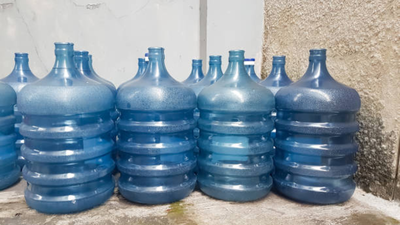
A cluster of vomiting and diarrhoea cases in Chikkatekahalli village has been traced to E.coli-contaminated water sold illegally in 20-litre cans, with district officials confirming the source was an unlicensed purification unit now sealed shut.
What officials found
The district administration in Chikkaballapur said the outbreak in Chikkatekahalli village, part of Shidlaghatta taluk, is suspected to have been caused by E.coli bacteria found in illegally sold 20-litre drinking water cans, according to ANI. An inquiry into the source found that the water was being sold without authorisation, procured from a private water purification unit whose operating licence had expired. Once the link was established, the purification unit and its water storage tanks were sealed, and supply from that source was stopped completely.
Not the government supply, officials clear
Laboratory tests on water supplied under the government’s Jal Jeevan Mission confirmed it was free from any chemical or biological contamination, and officials were clear that the outbreak had no link to the JJM supply.On the ground, a temporary health camp has been set up in Chikkatekahalli village, with medical teams monitoring residents for symptoms, and the administration says the situation is now under control. Authorities have also urged villagers to buy drinking water only from authorised sources and to report any unlicensed suppliers operating in their area.
Why this keeps happening
This isn’t some one-off contamination story, and that’s the uncomfortable part. Waterborne illness tied to contaminated drinking water shows up in outbreak reports across India almost every monsoon season, and E.coli specifically is one of the most common culprits doctors flag when villages report sudden clusters of vomiting and diarrhoea. Public health data on foodborne and waterborne illness puts the burden in the hundreds of millions globally each year, and India’s own disease surveillance data has repeatedly shown acute diarrheal disease outbreaks tracing back to exactly this kind of unregulated water source — private cans, tankers or purification units operating without proper licensing or testing.The 20-litre can business, in particular, is murky in a lot of small towns and villages. Anyone with a filter setup and a few blue cans can start selling “purified” water door to door, and there’s often nobody checking whether that unit is licensed, tested, or even cleaned regularly.
How to check your water can before you trust it
If you’re buying 20-litre cans at home, a few checks go a long way. Look for standardised marks on the can and ask the supplier for their purification unit’s licence details — a legitimate operator won’t hesitate to show it. Check the seal on the cap isn’t tampered with or reused, and if the water looks cloudy, smells off, or tastes different from batch to batch, stop buying from that source immediately rather than waiting to “see how it goes.“It’s also worth asking neighbours or your local municipal office which suppliers are actually registered in your area, since unauthorised sellers rarely advertise that they’re operating illegally. And if anyone in the house develops vomiting or diarrhoea right after a new can arrives, it’s worth reporting it, both for your own treatment and so authorities can catch a bad batch before it spreads through the whole street.


