
Grid stability, large-scale integration of renewable energy discussed in Parl panel meet

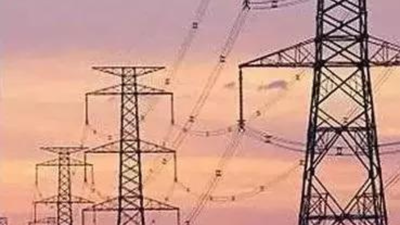
New Delhi: Emerging requirements of grid stability amid India’s growing electricity demand, large-scale renewable energy integration, and the increasing share of inverter-based generation resources and bulk loads were discussed in a meeting of the parliamentary consultative committee of the ministry of power on Tuesday.Chaired by Union power minister Manohar Lal, the meeting stressed the need to reduce curtailment of renewable energy generation by expediting transmission projects, enhancing grid resilience and promoting pumped storage projects.Lal said the discussions focused on building a robust and future-ready power grid to support India’s clean energy ambitions. “Members also exchanged views on enhancing grid resilience through transmission expansion, energy storage, renewable integration, advanced forecasting, and deployment of technologies that strengthen system stability,” the minister said after the meeting.India’s peak power demand has increased by nearly 40% over the past four years, rising from 193 GW in 2022 to 270 GW this summer, alongside a sharp increase in the contribution of renewable energy. The country’s total installed power generation capacity has also grown from nearly 400 GW in 2022 to 538 GW, including 288 GW of non-fossil fuel capacity.India’s rapid renewable energy expansion is running into a serious bottleneck, with delays in transmission infrastructure forcing large-scale curtailment of green power. Industry players and analysts have noted that mismatch between the pace of renewable energy deployment and transmission readiness is emerging as one of the biggest operational risks for the sector.Against the backdrop of rising electricity demand, the committee discussed secure renewable energy integration, transmission strengthening, energy storage, dynamic reactive power support, grid flexibility, forecasting, power quality, compliance with technical standards, and measures to improve grid resilience.The committee observed that grid stability is central to energy security and that India’s clean energy transition must be supported by a reliable, flexible and resilient power grid. Various measures for ensuring grid stability, such as avoiding a mismatch between the commissioning of transmission lines and renewable energy projects to minimise curtailment, and encouraging suitable bulk consumers near large renewable energy complexes to optimise transmission investments, were discussed.


