
Forget white vinegar: This natural powder cleared yard ants in 15 minutes, but it only works when dry

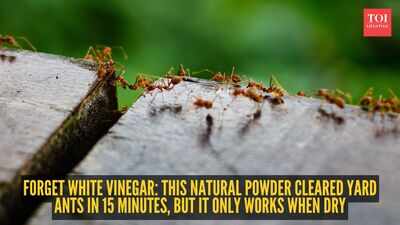
Ants are tiny, but when they turn your yard into their home, they stop feeling small. They become a problem you notice every time you take a step outside—marching along paving stones, crowding cracks, and showing up in places you thought you’d already “fixed.”For a long time, those “fixes” were the usual natural tricks: white vinegar poured into their paths, citrus peels scattered near their entry points, even boiling water tipped into the soil. Each solution felt satisfying in the moment. The ants would scatter, the trail would break, and there’d be a brief sense of control.But the reality? They kept coming back.So, what’s a fool-proof way to chase ants away? The idea is to understand how to physically disrupt their bodies—without resorting to harsh chemical sprays. That’s where a simple white powder called diatomaceous earth comes in, backed by a surprisingly elegant bit of science.
Why “natural” doesn’t always mean effective
Many popular home remedies for ants— like vinegar, lemon juice, cinnamon, coffee grounds—work by either masking scent trails or making areas less attractive for a while. They can:– Confuse the ants’ chemical communication– Force them to reroute their foraging trails– Make some surfaces uncomfortable or irritatingBut most of them don’t directly damage the ant’s body or reach deep into the colony. So while the trail disappears temporarily, the nest is still alive and active. The workers eventually rebuild.If you want a natural method that goes beyond annoyance and into physical control, you need something that acts on the ant itself. That’s where diatomaceous earth stands out.
What diatomaceous earth actually is (and isn’t)
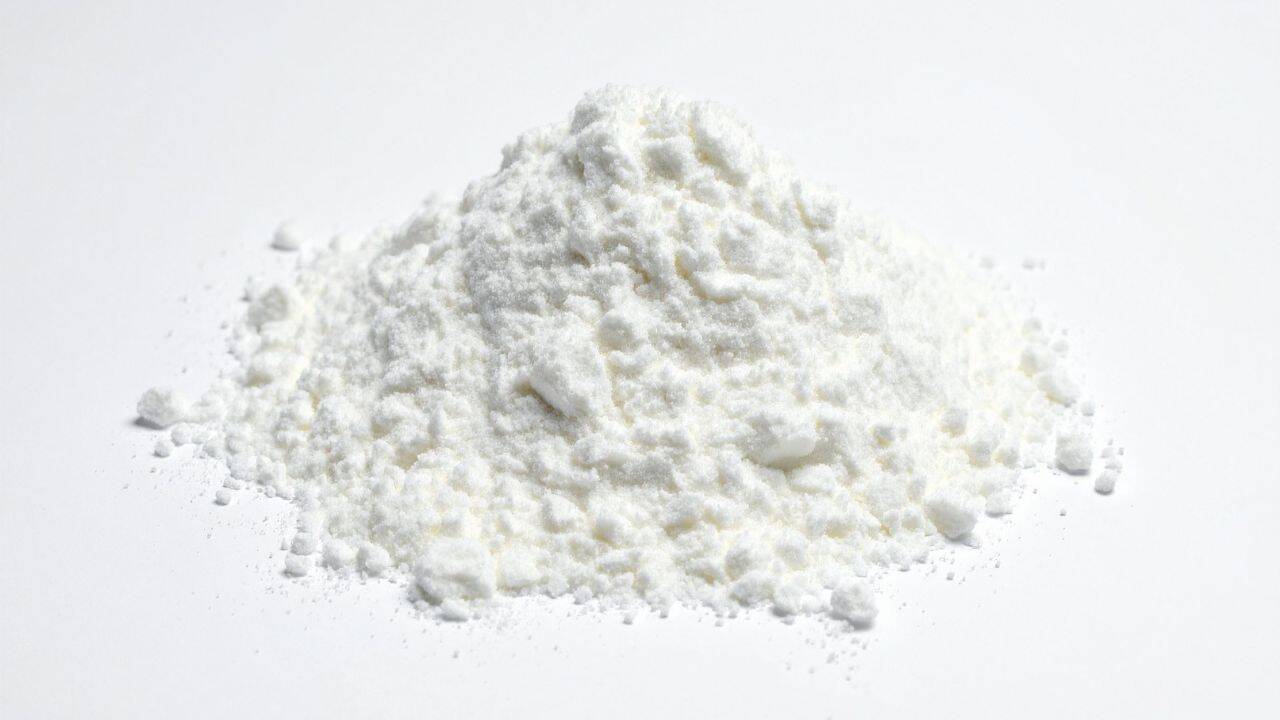
Despite the name, diatomaceous earth (DE) isn’t “earth” in the usual soil sense. It’s made from the fossilised remains of microscopic aquatic organisms called diatoms— they are tiny algae that once floated in ancient lakes and oceans.Over thousands of years, their silica-rich shells settled, compacted, and formed a soft rock. When this rock is ground down, it becomes a fine white powder that looks a lot like flour or baking soda.
There are two important things to know:
– Food-grade DE is generally considered safe to handle around humans and many pets when used properly, because it isn’t a chemical poison; it works mechanically.– Its particles are made of silica and have microscopic sharp edges, even though it feels soft to your touch.That contrast—soft to humans, abrasive to insects—is the foundation of its effectiveness.
The science: How DE kills ants naturally
Ants and many other pests (cockroaches, bedbugs, fleas, some beetles) have an exoskeleton, which is a hard outer shell made of chitin and covered by a thin, waxy layer that locks moisture in. This waxy barrier is crucial. It prevents them from drying out.When an ant walks through a band of dry diatomaceous earth, two things happen:– Mechanical damage– The tiny, jagged particles scratch and pierce the ant’s waxy outer layer. Think of it as the insect equivalent of walking through microscopic pieces of glass.
Intense drying (desiccation)
DE is highly porous. Once that protective layer is damaged, the powder starts absorbing the oils and moisture from the ant’s outer surface. Without that moisture barrier, the ant begins to lose water faster than it can replace it.The result is gradual dehydration from the outside in. The ant does not need to eat the powder; simple contact is enough. Over time, exposed workers dry out and die.What makes this method “natural” isn’t that it’s gentle to insects—it isn’t. It’s that it doesn’t use synthetic chemical poisons. It relies on physics and structure instead of molecules designed to target the nervous system.
Why dryness is non‑negotiable
There is one critical condition for DE to work well: It must remain dry.If the powder gets wet—from rain, watering, or even heavy dew—it:– Clumps together– Loses its dusty texture– Becomes less able to cling to insects and absorb moistureAnd so, wet DE doesn’t have the same abrasive, drying action. It may still provide some barrier effect, but its main killing mechanism is dramatically reduced.That’s why many people report inconsistent results: they apply DE, it rains, the powder stops working, and the ants simply avoid or walk around the damp patches. The success stories almost always share one detail—hot, dry conditions and fresh, visible applications.
How to use DE to kill ants
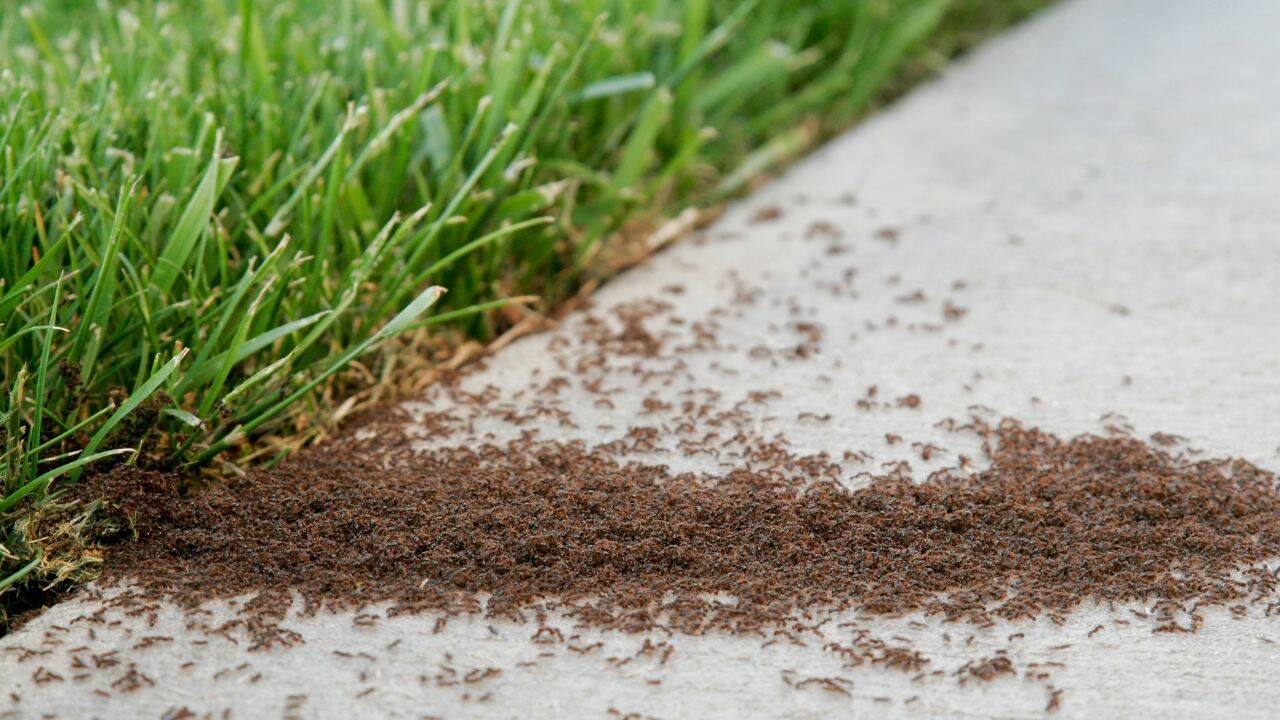
Identify the most active trails and entry points of the ants. Sprinkled a generous, continuous band of dry diatomaceous earth along those paths and into the cracks. Within a short time, the dense streams of ants will start to thin. If needed, reapplylightly where wind or movement might have disturbed it.Natural is good. Science‑guided is better.There’s a temptation to divide pest control into “natural” and “chemical,” as if one category is always safe and weak, and the other is always strong but dangerous. The reality is more nuanced:– Many natural remedies are behavioral—they influence where ants go but don’t truly control populations.– Some natural tools, like diatomaceous earth, are mechanical—they use structure and physics to cause lethal damage without traditional poison.– Even natural methods need thoughtful use: dry conditions, correct placement, and respect for dust safety (avoid breathing fine particles while applying).In that sense, DE sits at an interesting intersection: it is natural in origin, non‑chemical in its killing action, and still potent enough to genuinely change what happens in your yard—when used with an understanding of how it works.
When to choose DE over white vinegar
White vinegar will always have its place for cleaning, odour control, and short‑term disruption of ant trails. But if your goal is to naturally kill ants for the long term, them a dry, well‑applied band of food‑grade diatomaceous earth is a more science‑backed option.It won’t instantly erase every colony underground, and it’s not a cure‑all. Yet, under hot, dry conditions, it can do something most “natural hacks” can’t: quietly dehydrate the ants themselves—turning a powdery line on the ground into a genuine, mechanical defense.


