
File photo NEW DELHI: The Supreme Court on Wednesday held that the Election Commission of India (ECI) “did not act outside its statutory powers” while conducting the Special Intensive Revision (SIR), ruling that the exercise could not be termed “ultra vires merely because it differs from the ordinary revision process”.”SIR fulfils proportionality and are not manifestely execessive. It was founded by constitutional purpose of restoration of accuracy of electoral rolls. The measures adopted by the ECI can’t be held to be disproportionate,” ruled the Supreme court according to Live Law.Calling the controversial roll revision “legally tenable”, the top court said EC did not violate Representation of People Act (RPA) by ordering Special Intensive Revision of Bihar electoral rolls as such an exercise ensured purity of electoral roll and aided in free and fair elections.A Bench led by Chief Justice of India Surya Kant and Justice Joymalya Bagchi pronounced the verdict on Wednesday after reserving judgment this year in January following extensive hearings in the matter.The Supreme Court, however, said that the poll body cannot determine the citizenship of a voter. The court said that the determination of citizenship by the election commission for inclusion in voter list is not final as it has to be examined throughly by Union government after giving adequate opportunity to the doubtful voter who is deleted from electoral roll. Watch SC Asks Mamata To File Fresh Pleas Regarding Victory Margin Being Less Than SIR DeletionsThe petitions had challenged the legality of the Special Intensive Revision (SIR) exercise undertaken by the ECI, arguing that the process went beyond the powers granted to the poll body under Article 326 of the Constitution, the Representation of the People Act, 1950, and the rules framed under it.ALSO READ | Pre-SIR exercise finds logical discrepancies in 20% of mapped voters in PunjabThe dispute had largely centred on the ECI’s requirement that voters whose names did not appear in the 2002 electoral rolls, or the 2003 rolls in certain states, must prove ancestral linkage to a person whose name featured in those electoral records.Petitioners had argued before the apex court that the condition risked disenfranchising genuine voters, especially marginalised and migrant communities who often lacked documentary evidence tracing their ancestry to older electoral rolls.During the hearings, the Supreme Court had issued interim directions aimed at improving transparency and reducing hardship for voters affected by the SIR exercise across several states and union territories.The poll body had initially listed 11 documents for verification. However, the apex court later directed that Aadhaar also be accepted as an additional document for the SIR process.Most petitions had been filed in June last year after the ECI initiated the SIR exercise in Bihar.The revision process was later extended to several other states and union territories, including West Bengal, Kerala and Tamil Nadu.Defending the exercise before the apex court, the ECI had maintained that the revision was necessary to preserve the purity of electoral rolls and prevent duplication or the inclusion of ineligible voters.After hearing all parties at length, the Bench headed by CJI Surya Kant had reserved its verdict on January 29.ALSO READ | SIR: AP chief electoral officer seeks political parties’ cooperation for clean, accurate electoral rollAbout the AuthorTOI News DeskThe TOI News Desk comprises a dedicated and tireless team of journalists who operate around the clock to deliver the most current and comprehensive news and updates to the readers of The Times of India worldwide. With an unwavering commitment to excellence in journalism, our team is at the forefront of gathering, verifying, and presenting breaking news, in-depth analysis, and insightful reports on a wide range of topics. The TOI News Desk is your trusted source for staying informed and connected to the ever-evolving global landscape, ensuring that our readers are equipped with the latest developments that matter most.”Read MoreEnd of ArticleFollow Us On Social MediaVideosSiddaramaiah Likely To Step Down As Karnataka CM Amid Congress Leadership Transition BuzzKarnataka CM Change Buzz Grows After Rahul–Sidda Meeting, Offers RS Berth To CM SiddaramaiahPolitical Storm In Bengal After FIR Against Mamata Over ‘Dirty Religion’ RemarkBJP Alleges Major Rift In TMC, Says 20 MPs Are In Touch With Saffron Camp‘Unwarranted References’: India Blasts China, Pakistan Over Jammu-Kashmir RemarksTamil Nadu Vs Karnataka: Vijay Urges PM Modi To Reject Mekedatu Dam Proposal Ahead Of Delhi VisitHoney Singh Joins BJP Punjab Campaign Against Drugs, Meets Tarun ChughSuvendu Adhikari Calls For Fast Deportation Of Alleged Illegal Bangladeshi Infiltrators In BengalCongress Denies Karnataka CM Post Tussle After Siddaramaiah-DK Shivakumar Delhi MeetingSSC GD Exam: Furious Students Protest After Candidate Numbers Exceed Actual Seating Capacity123PhotostoriesT. Rex vs Spinosaurus: Who was the true king of the dinosaurs?The problem-solver, the diplomat, the visionary: Which workplace personality are you?Children who feel heard at home usually grow up differently in these 7 waysHeat waves are not just making you tired: They could be damaging your heart too, doctor warnsFrom KitKat to Fish Scale: 7 luxury tile designs that instantly elevate modern home interiorsArt quote of the day by Alfred Tonnelle: “The artist does not see things as they are, but as he is”Why some birds decorate their nests with snake skin: The reason is brilliant5 signs you are the unofficial leader of your team7 summer foods Indian labourers eat to survive extreme heatThought of the day inspired by the Bhagavad Gita: “Patience is also a form of wisdom”123Hot PicksDelhi Gymkhana ClubByju RaveendranDHSE Kerala plus two resultCBSE answer sheet rowRCB vs GTIran US TalksArshdeep SinghTop TrendingByju’s founder RaveendranBank holiday todayKTET December result 2026Delhi temperaturePunjab local body pollsBengaluru Ebola CasePune curfewIndia-Canada DealLargest stock marketIndian Rupee

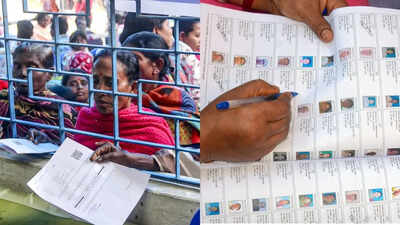
NEW DELHI: The Supreme Court on Wednesday held that the Election Commission of India (ECI) “did not act outside its statutory powers” while conducting the Special Intensive Revision (SIR), ruling that the exercise could not be termed “ultra vires merely because it differs from the ordinary revision process”.“SIR fulfils proportionality and are not manifestely execessive. It was founded by constitutional purpose of restoration of accuracy of electoral rolls. The measures adopted by the ECI can’t be held to be disproportionate,” ruled the Supreme court according to Live Law.Calling the controversial roll revision “legally tenable”, the top court said EC did not violate Representation of People Act (RPA) by ordering Special Intensive Revision of Bihar electoral rolls as such an exercise ensured purity of electoral roll and aided in free and fair elections.A Bench led by Chief Justice of India Surya Kant and Justice Joymalya Bagchi pronounced the verdict on Wednesday after reserving judgment this year in January following extensive hearings in the matter.The Supreme Court, however, said that the poll body cannot determine the citizenship of a voter. The court said that the determination of citizenship by the election commission for inclusion in voter list is not final as it has to be examined throughly by Union government after giving adequate opportunity to the doubtful voter who is deleted from electoral roll.The petitions had challenged the legality of the Special Intensive Revision (SIR) exercise undertaken by the ECI, arguing that the process went beyond the powers granted to the poll body under Article 326 of the Constitution, the Representation of the People Act, 1950, and the rules framed under it.ALSO READ | Pre-SIR exercise finds logical discrepancies in 20% of mapped voters in PunjabThe dispute had largely centred on the ECI’s requirement that voters whose names did not appear in the 2002 electoral rolls, or the 2003 rolls in certain states, must prove ancestral linkage to a person whose name featured in those electoral records.Petitioners had argued before the apex court that the condition risked disenfranchising genuine voters, especially marginalised and migrant communities who often lacked documentary evidence tracing their ancestry to older electoral rolls.During the hearings, the Supreme Court had issued interim directions aimed at improving transparency and reducing hardship for voters affected by the SIR exercise across several states and union territories.The poll body had initially listed 11 documents for verification. However, the apex court later directed that Aadhaar also be accepted as an additional document for the SIR process.Most petitions had been filed in June last year after the ECI initiated the SIR exercise in Bihar.The revision process was later extended to several other states and union territories, including West Bengal, Kerala and Tamil Nadu.Defending the exercise before the apex court, the ECI had maintained that the revision was necessary to preserve the purity of electoral rolls and prevent duplication or the inclusion of ineligible voters.After hearing all parties at length, the Bench headed by CJI Surya Kant had reserved its verdict on January 29.ALSO READ | SIR: AP chief electoral officer seeks political parties’ cooperation for clean, accurate electoral roll


