
. DS Group has launched an initiative to reduce occupational health risks faced by women farmers from exposure to agricultural pesticides and chemicals, rolling out awareness activities and a culturally tailored protective solution in seven villages of Baghpat district.The programme, part of the company’s FarmHER initiative, is currently being implemented in Pali, Katha, Bandpur, Sunehra, Basi, Mavikala and Sankrodh. It combines community education, preventive health services and distribution of a practical protective product designed for women who commonly use saree pallus or dupattas while working in the fields.As part of the campaign, DS Group introduced a washable nano-fibre filter — marketed as the Pallu Protection Equipment (PPE) filter — that can be stitched into a saree pallu or dupatta to act as a barrier against pesticide particles, dust, harmful chemicals and PM2.5 pollutants. The filters will be made available free of charge through selected tailor shops, pesticide outlets and chemist stores across the seven villages.The company said the intervention was informed by field research which found many women already use pallus or dupattas as informal protection, despite their limited effectiveness. A male version of the product, designed to be integrated into the traditional gamcha, has also been developed.DS Group’s outreach in the villages includes mobile awareness vans, traditional puppet shows, nukkad nataks (street plays), door-to-door education and free health camps. The health camps provide blood pressure and blood sugar screening, basic counselling and distribution of PPE masks. Women participating in the programme also receive mirrors and calendars bearing messages about safer farming practices.“Women farmers play a vital role in India’s agricultural economy, yet awareness of the occupational health risks they face remains limited,” said Rajeev Jain, Senior Vice President, Corporate Marketing, DS Group. “Our field research revealed that the saree pallu and dupatta are often used as informal protective coverings during pesticide-intensive agricultural work, despite offering inadequate protection. This highlights the urgent need for simple, practical and culturally appropriate solutions that women farmers can seamlessly adopt.”DS Group said the initiative aims to bridge the gap between awareness and action by providing accessible, culturally relevant interventions to protect women’s health and encourage safer, more sustainable farming practices as part of its broader FarmHER programme.Get the latest India News and Live updates. Download the TOI app.End of ArticleFollow Us On Social MediaVideos’Women Were Beaten Like Animals’: CJP Protesters After ‘Lathi-Charge’ By RAF, Delhi PoliceCJP Claims Wangchuk’s Wife Assaulted; Amit Shah Meets Dharmendra Pradhan Amid CJP Sansad MarchJP Nadda To Meet CJP Leaders As Centre Initiates Dialogue Amid Parliament MarchSonam Wangchuk’s Latest Hunger Strike Note Shifts Focus To Accountability, Parliament AssuranceDelhi Metro Closes Five Stations, Police Block CJP’s Parliament March Amid Massive SecurityCentre To Introduce Bill Making Insult To Vande Mataram A Criminal OffenceDelhi Police Warns Against CJP’s Parliament March; Says No Permission Granted, Legal Action Likely’Strictly Prohibited’: Delhi Police Invokes Section 163, Issues Warning Over CJP’s Sansad MarchCJP Releases Do’s & Don’ts For ‘Chalo Sansad’ March As Sonam Wangchuk Continues Hunger StrikeFlash Floods, Landslides Hit J&K’s Poonch-Rajouri; Vaishno Devi, Amarnath Yatra Suspended123Photostories7 air-fryer egg dishes for a protein-rich dinnerBest time travel web series to watch: ‘Dark’, ‘Outlander’, ’12 Monkeys’ and more sci-fi masterpiecesWhy are some wine bottles sealed with corkBTS set the FIFA 2026 World Cup halftime stage on fire with red devils-inspired fashionInside Nikki Tamboli and Arbaz Patel’s stunning home: Luxurious interiors, cosy corners and more6 Smart ways to use essential oils in your bathroom for a fresher, spa-like feelUpcoming week’s OTT releases (July 20-July 26): From ‘A Toxic Love Story’ to ‘BLEACH’World’s top 10 most valuable restaurant chains and their billion-dollar brandsSpent 16 years in school, yet nobody taught you about money, AI, or psychology? Here are 8 things every woman needs to learn that actually matterThe truth about collagen loss: Why early prevention beats anti-wrinkle treatments123Hot PicksSylvester StalloneSteve JobsUS import pricesClint EastwoodDelhi Metro stationsJantar MantarKylie JennersCJP Parliament marchNHL Trade RumorsTop TrendingRajasthan RapeLucknow Jawahar Bhawan FireWeather TomorrowCJP ProtestSonam WangchukNEET Paper LeakJoseph VijayAbhishek BanerjeeIshowspeedIran war

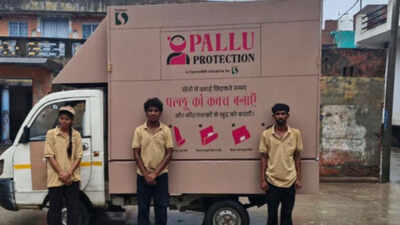
DS Group has launched an initiative to reduce occupational health risks faced by women farmers from exposure to agricultural pesticides and chemicals, rolling out awareness activities and a culturally tailored protective solution in seven villages of Baghpat district.The programme, part of the company’s FarmHER initiative, is currently being implemented in Pali, Katha, Bandpur, Sunehra, Basi, Mavikala and Sankrodh. It combines community education, preventive health services and distribution of a practical protective product designed for women who commonly use saree pallus or dupattas while working in the fields.As part of the campaign, DS Group introduced a washable nano-fibre filter — marketed as the Pallu Protection Equipment (PPE) filter — that can be stitched into a saree pallu or dupatta to act as a barrier against pesticide particles, dust, harmful chemicals and PM2.5 pollutants. The filters will be made available free of charge through selected tailor shops, pesticide outlets and chemist stores across the seven villages.The company said the intervention was informed by field research which found many women already use pallus or dupattas as informal protection, despite their limited effectiveness. A male version of the product, designed to be integrated into the traditional gamcha, has also been developed.DS Group’s outreach in the villages includes mobile awareness vans, traditional puppet shows, nukkad nataks (street plays), door-to-door education and free health camps. The health camps provide blood pressure and blood sugar screening, basic counselling and distribution of PPE masks. Women participating in the programme also receive mirrors and calendars bearing messages about safer farming practices.“Women farmers play a vital role in India’s agricultural economy, yet awareness of the occupational health risks they face remains limited,” said Rajeev Jain, Senior Vice President, Corporate Marketing, DS Group. “Our field research revealed that the saree pallu and dupatta are often used as informal protective coverings during pesticide-intensive agricultural work, despite offering inadequate protection. This highlights the urgent need for simple, practical and culturally appropriate solutions that women farmers can seamlessly adopt.”DS Group said the initiative aims to bridge the gap between awareness and action by providing accessible, culturally relevant interventions to protect women’s health and encourage safer, more sustainable farming practices as part of its broader FarmHER programme.


