
DMK leaders at executive committee meet NEW DELHI: The Dravida Munnetra Kazhagam (DMK) on Saturday unveiled a structural overhaul of its organisation following its defeat in the Tamil Nadu Assembly elections in April, when it lost power after a single term.DMK’s executive committee, headed by party supremo and former chief minister MK Stalin, met at Anna Arivalayam, the party’s state headquarters in Chennai, and passed nine key resolutions aimed at radically restructuring the organisation.Addressing the meeting, Stalin acknowleded that the changes would be “stringent” and even “difficult” for some to accept.”The functioning of our party office-bearers is also one of the reasons for our defeat. We must first acknowledge our mistakes. We are going to make several changes in the party’s organisational structure. They will certainly be stringent, and for some, they may even be difficult to accept,” the former chief minister said.“Going forward, we are going to introduce age limits and terms of office for various organisational posts, according to the responsibilities involved. We are going to give a larger number of organisational responsibilities to newcomers. We can regain political success only by restructuring the party. We must carry out the organisational reforms as quickly as possible,” he added.Under the new blueprint, the DMK leadership has introduced strict age limits, a mandatory two-term cap for all posts and a major expansion of organisational districts, with the aim of professionalising party operations and facilitating generational succession.The DMK will increase the number of organisational districts from 78 to 110, with each district broadly covering two assembly constituencies to ensure more localised administration. Once Stalin formally releases the boundary maps for the 110 revamped districts, district executive committees will have to convene within 15 days under the supervision of the party headquarters to implement the transition.The standalone post of “city secretary” in major urban centres such as Coimbatore and Tambaram has also been abolished. Instead, urban zones will be redrawn based on voter density, with Chennai Corporation Area Committees averaging 40,000 voters and those in other corporations averaging 30,000 voters per committee.Join conversationView All Comments →Share your thoughts in the commentsInsightfulAgreeDisagreeSkepticalConcerningPromisingWorth ReadingBig DevelopmentPost CommentBe respectful · TOI community guidelinesFollowing Stalin’s defeat in his Kolathur Assembly constituency in Chennai, the DMK is now being led in the Tamil Nadu assembly by his son and former deputy chief minister Udhayanidhi Stalin, who is now serving as the leader of the opposition.Get the latest India News and Live updates. Download the TOI app.About the AuthorKaran ManralKaran Manral is a journalist at the Times of India. He covers politics, social issues, and international affairs, exploring stories that affect people’s everyday lives. He also writes explainers to make these stories easier for readers to follow.Read MoreEnd of ArticleFollow Us On Social MediaVideosH1N1 Cases Rise In Delhi: Health Minister Nadda Holds Meet, Reviews Swine Flu Situation‘Proportionate Response’: MEA Explains Bulldozer Action Outside Pakistan High Commission In Delhi4-Year-Old Viral Sensation Karga Tinkle EXCLUSIVE | “Don’t Call Me Chinese, I Am Indian”‘Making Provocative Remarks Against India For Years’: MEA Slams US Body Over RSS Sanctions CallRevanth Reddy’s US Trip Cancelled After MEA Denies Clearance, Telangana Delegation Goes AheadPellet-gun Row: Rahul Gandhi At Parliament Street Police Station To Lodge Complaint With DCP‘Don’t Politicise Our School’: Villagers Block CJP Visit As Party Alleges BJP Attack In RajasthanModi Pushes AI, Youth And Data Agenda, Tells Secretaries To Break Government Silos And InnovatePirates Hijack Two Ships Carrying 22 Indians Off Yemen And Somalia, Crew Safety Raises Concern‘NEET, Delimitation, Cauvery, Drugs’: Vijay’s Key Requests Before Amit Shah At Tamil Nadu Meeting123PhotostoriesMen with heart disease may face a higher cancer risk, study suggests: 7 simple ways to keep your heart healthy and happy10 bizarre luxury fashion trends that stunned the internet: From Margaret Qualley’s ‘barefoot’ Chanel shoes to Balenciaga’s trash bags5 bizarre foods created specifically for extreme environmentsThe psychology of being genuinely charming: Why making people feel seen and heard matters more than confidenceTaarak Mehta Ka Ooltah Chashmah: From Dilip Joshi, Amit Bhatt to Munmun Dutta, here’s how much popular actors earn per episode10 baby boy names inspired by wisdom, knowledge and intelligenceOptical Illusion personality test: What you spot first reveals your secret dominant traitH1N1 is rising again: Doctors explain why swine flu cases are increasing and how to stay protectedWorking out in extreme heat? How dehydration can reduce kidney function and raise the risk of acute kidney injuryRoad to longevity: 7 simple habits that may help ‘super-agers’ stay healthy beyond 100123Hot PicksTCS laptop monitoring softwareTNEA counselling3 year practice ruleCM Revanth ReddyWeather tomorrowNEET UG 2026US-Canada tradeSIM card rulesBank holiday todayTop TrendingMumbai Rape AirhostessReservation Hatao AndolanLucknow Double Murder SuicideMadhapur Road AccidentMaharashtra Hill TragedyAbhijeet DipkeJharkhand Factory FireRahul GandhiBengaluru RapidoAston Martin Crash

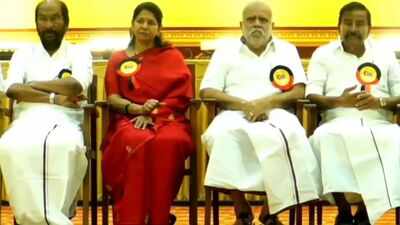
NEW DELHI: The Dravida Munnetra Kazhagam (DMK) on Saturday unveiled a structural overhaul of its organisation following its defeat in the Tamil Nadu Assembly elections in April, when it lost power after a single term.DMK’s executive committee, headed by party supremo and former chief minister MK Stalin, met at Anna Arivalayam, the party’s state headquarters in Chennai, and passed nine key resolutions aimed at radically restructuring the organisation.Addressing the meeting, Stalin acknowleded that the changes would be “stringent” and even “difficult” for some to accept.“The functioning of our party office-bearers is also one of the reasons for our defeat. We must first acknowledge our mistakes. We are going to make several changes in the party’s organisational structure. They will certainly be stringent, and for some, they may even be difficult to accept,” the former chief minister said.“Going forward, we are going to introduce age limits and terms of office for various organisational posts, according to the responsibilities involved. We are going to give a larger number of organisational responsibilities to newcomers. We can regain political success only by restructuring the party. We must carry out the organisational reforms as quickly as possible,” he added.Under the new blueprint, the DMK leadership has introduced strict age limits, a mandatory two-term cap for all posts and a major expansion of organisational districts, with the aim of professionalising party operations and facilitating generational succession.The DMK will increase the number of organisational districts from 78 to 110, with each district broadly covering two assembly constituencies to ensure more localised administration. Once Stalin formally releases the boundary maps for the 110 revamped districts, district executive committees will have to convene within 15 days under the supervision of the party headquarters to implement the transition.The standalone post of “city secretary” in major urban centres such as Coimbatore and Tambaram has also been abolished. Instead, urban zones will be redrawn based on voter density, with Chennai Corporation Area Committees averaging 40,000 voters and those in other corporations averaging 30,000 voters per committee.
Share your thoughts in the comments
Be respectful · TOI community guidelines
Following Stalin’s defeat in his Kolathur Assembly constituency in Chennai, the DMK is now being led in the Tamil Nadu assembly by his son and former deputy chief minister Udhayanidhi Stalin, who is now serving as the leader of the opposition.


