
. DEHRADUN: Winter fog has long been a disruptive force in northern India, grounding flights, delaying trains and bringing daily life to a crawl across the Indo-Gangetic plain. Now, new research published in Science Advances journal reveals that air pollution is not just accompanying these fog events – it is actively making them thicker, longer-lasting and harder to disperse, reports Gaurav Talwar. The peer-reviewed study, led by researchers from IIT Madras, shows that high concentrations of aerosols – tiny particles released from vehicles, industries, biomass burning and other human activities – are “invigorating” fog layers over parts of northern India. Using 15 years of satellite data and high-resolution weather-chemistry simulations, the researchers uncovered a clear physical mechanism linking pollution to intensified fog. They found that during polluted conditions, fog layers over the Indo-Gangetic plain grew about 15-20% thicker, often reaching heights of 400-600 m. Crucially, this thickening happens mainly at the top of the fog layer, not at the surface. The reason lies in how aerosols interact with fog droplets – more aerosols lead to more droplets, stronger cooling, increased vertical mixing and ultimately a thicker fog layer. As per the study, satellite observations revealed that fog in polluted conditions contains larger droplets near its top – a finding that may initially seem counterintuitive. In many clouds, pollution leads to smaller droplets. But in fog, where moisture is abundant and the atmosphere is nearly saturated, the enhanced condensation and cooling at the fog top allow droplets to grow larger despite high aerosol concentrations. The study stresses controlling aerosol emissions is not only essential for cleaner air, but may also be critical for reducing the intensity and duration of winter fog in northern India.About the AuthorGaurav TalwarJournalist reporting on natural disasters in the Himalayas with a keen interest in politics, especially during election season.End of ArticleFollow Us On Social MediaVideos‘Attack On My Life’: Suvendu Adhikari Targets Mamata Banerjee, Levels Serious AllegationUkrainian Envoy Hails PM Modi As Global Leader, Praises Ukraine Peace EffortsChirag Paswan Hits Out At Tejashwi Yadav Over ‘People Lost In Democracy’ commentIndia’s Reform Express Accelerates Growth and Investment, Says PM ModiAmit Shah Confident BJP Will Form Government In Kerala In 2026, Vote Share ClimbingOwaisi Blames Congress, Hits Out at UAPA After SC Denies Bail To Umar Khalid‘Some Historians, Politicians Tried To Whitewash History Of Invaders’: PM Modi Hits Out In Somnath‘Hijab-Clad PM’ Row: Owaisi’s ‘Tubelight’ Jab At Himanta Sarma Over ‘Only Hindu PM’ RemarksRSS Chief Mohan Bhagwat Calls For Hindu Unity, Says India Will Lead World In 20–30 YearsPM Modi Offers Prayers At Somnath Temple, Witnesses Grand Drone Show & Fireworks At Swabhiman Parv123PhotostoriesSobhita Dhulipala’s most graceful saree looks – PicsHow to make Instant Rava Appe for breakfastCute parenting moments of Kareena Kapoor and Saif Ali KhanInside Nupur Sanon and Stebin Ben’s stylish Christian weddingLohri 2026: 11 must-try Punjabi dishes to celebrate Lohri‘The Raja Saab’: Educational qualification of the star cast10 things 90s kids begged their parents for, that Gen Z will be shocked even existed7 baby girl names inspired by Indian holy places that parents secretly love8 countries around the world most famous for their wildlifeSamantha Ruth Prabhu’s timeless saree looks that redefine elegance123Hot PicksTrump tariffsUS Supreme CourtGold rate todayBengaluru newsCigarette price hikePublic holidays January 2026Bank Holidays JanuaryTop TrendingUS Border Petrol Agent ShootCanada Immigration Applications 2026Kim KardashianVanessa BryantTrump TariffsConnor McDavidNFL PlayoffsAlex BregmanNandani SharmaFortnite Updates
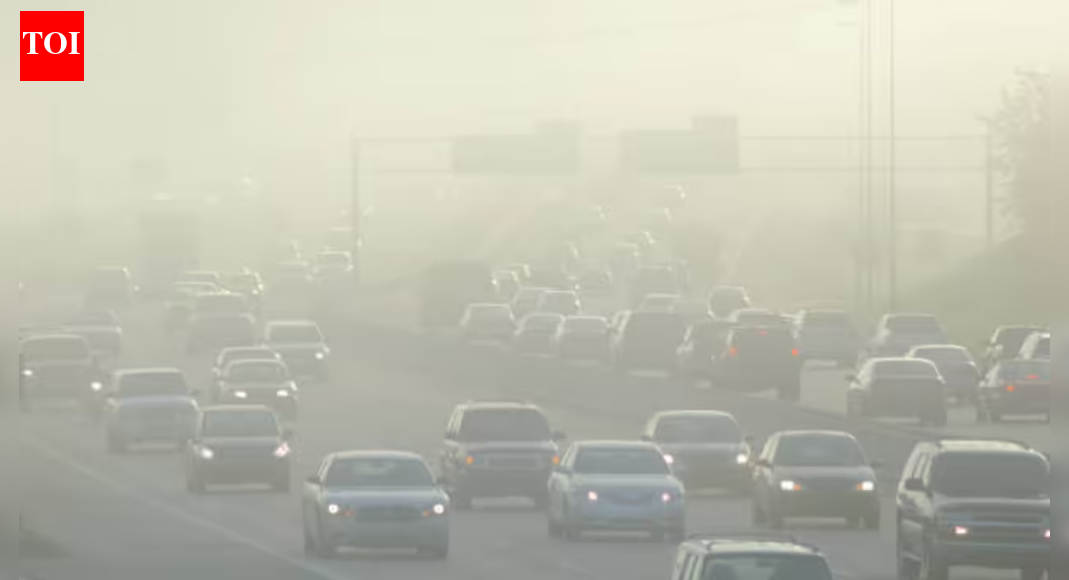
DEHRADUN: Winter fog has long been a disruptive force in northern India, grounding flights, delaying trains and bringing daily life to a crawl across the Indo-Gangetic plain. Now, new research published in Science Advances journal reveals that air pollution is not just accompanying these fog events – it is actively making them thicker, longer-lasting and harder to disperse, reports Gaurav Talwar. The peer-reviewed study, led by researchers from IIT Madras, shows that high concentrations of aerosols – tiny particles released from vehicles, industries, biomass burning and other human activities – are “invigorating” fog layers over parts of northern India. Using 15 years of satellite data and high-resolution weather-chemistry simulations, the researchers uncovered a clear physical mechanism linking pollution to intensified fog. They found that during polluted conditions, fog layers over the Indo-Gangetic plain grew about 15-20% thicker, often reaching heights of 400-600 m. Crucially, this thickening happens mainly at the top of the fog layer, not at the surface. The reason lies in how aerosols interact with fog droplets – more aerosols lead to more droplets, stronger cooling, increased vertical mixing and ultimately a thicker fog layer. As per the study, satellite observations revealed that fog in polluted conditions contains larger droplets near its top – a finding that may initially seem counterintuitive. In many clouds, pollution leads to smaller droplets. But in fog, where moisture is abundant and the atmosphere is nearly saturated, the enhanced condensation and cooling at the fog top allow droplets to grow larger despite high aerosol concentrations. The study stresses controlling aerosol emissions is not only essential for cleaner air, but may also be critical for reducing the intensity and duration of winter fog in northern India.


