
Congress leader, Vijay Wadettiwar, questions NCERT for removing ‘secular’ and ‘secularism’ NEW DELHI: Congress leader Vijay Wadettiwar has accused the government of trying to “poison the minds of school-going children” after NCERT’s revised Class 9 Social Science textbook removed references to “secular” and “secularism” from the main text under the National Education Policy (NEP) 2020 curriculum overhaul.”A wave of extreme religious fanaticism has gripped the nation. Removing the word ‘secular’ from NCERT textbooks clearly reveals an intention to poison the minds of school-going children. If we remove the concept of secularism, then what ideology will this country run on?” Wadettiwar said.He added: “This is nothing but a strategy to rule in the name of religion, keep the nation far away from reality, and hide the truth. They bring up such divisive issues simply to mask the real problems plaguing the country.”What has changed in the new textbookThe revised Social Science textbook, which integrates History, Geography, Political Science and Economics into a single volume, marks a significant departure from previous editions. Among the most notable changes is the omission of the Preamble from the introductory chapter on the Constitution. References to “secular” and “secularism,” which featured in earlier editions, have also been removed from the primary text.NCERT has instead introduced a broader discussion on constitutional values, institutions and governance while restructuring the subject in line with the NEP 2020’s integrated learning approach.The updated curriculum also introduces a chapter on the 1975–77 Emergency for the first time in a Class 9 textbook, expands lessons on India’s electoral system and democratic institutions, and warns against counterfeit textbooks.The revised book, titled Understanding Society: India and Beyond, includes a dedicated section on the Emergency, describing it as a major challenge to Indian democracy.Get the latest India news and live updates. Download the TOI App.About the AuthorTOI News DeskThe TOI News Desk comprises a dedicated and tireless team of journalists who operate around the clock to deliver the most current and comprehensive news and updates to the readers of The Times of India worldwide. With an unwavering commitment to excellence in journalism, our team is at the forefront of gathering, verifying, and presenting breaking news, in-depth analysis, and insightful reports on a wide range of topics. The TOI News Desk is your trusted source for staying informed and connected to the ever-evolving global landscape, ensuring that our readers are equipped with the latest developments that matter most.”Read MoreEnd of ArticleFollow Us On Social MediaVideosTrump Likely To Visit India In 2027 As Rubio Hails Modi-Trump Ties, Trade Deal Nears Finish LineIndia Successfully Tests Hydrogen-Powered Train Between Delhi And Jind Ahead Of Commercial LaunchTrump Warns Of 100% Tariffs On Countries Taxing US Tech Firms; Why India Is Unlikely To Be AffectedMission Impossible: Delhi Footpaths Exist Everywhere Except Under Your Feet | WatchWest Bengal Government Plans UCC, Anti-‘Love Jihad’ Law; TMC Calls Move DivisiveUS Court Declines Immediate Dismissal Of Gautam Adani Case, Seeks DOJ Explanation Before RulingTrump says ‘Thank You’ after Hyderabad names road ‘Donald Trump Avenue’; BJP-Congress spar over moveMaharashtra Govt Clears Ujjwal Nikam As Special Prosecutor In Ketan Agarwal Murder Case?Kejriwal Alleges Massive Embezzlement In Ayodhya Ram Mandir Donation RowWhy Did Bangladesh Choose Malaysia And China Before India?123PhotostoriesTeachers reveal 7 things parents do that make school harder for children7 forgotten Indian breakfasts people ate before bread became commonHow to clean your bathroom without harsh chemicals: 7 Simple ways to keep it fresh naturallyKerala Shigella cases rise to 180 in June: Why are infections increasing?From mask dances to monastery celebrations: 5 Ladakh festivals worth travelling forPsychology suggests people who order Butter Chicken often value consistency over experimentation3 ways to train your brain to be ‘only successful’Psychology says people who talk to their plants may be doing more than caring for greenery; the real conversation may be with themselvesHow to make Virat Kohli’s highest-protein Indian mealsFor book lovers: 6 Creative house names inspired by books and literature123Hot PicksLewis HamiltonLionel MessiCGPSC SI Prelims 2026FIFA world cup 2026Spain vs UruguayRam Temple DonationNigerian Proverb of the dayUS Strike on IranKetan Agarwal MurderTop TrendingK BhagyarajMumbai Local Train DeathRam Temple Donation RowFIFA World Cup 2026NFL TradeUS Iran CeasefirePriyanka GandhiSergei IvanovMK StalinMumbai Local Train News

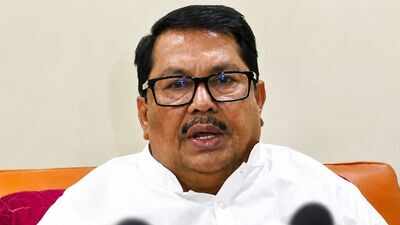
NEW DELHI: Congress leader Vijay Wadettiwar has accused the government of trying to “poison the minds of school-going children” after NCERT’s revised Class 9 Social Science textbook removed references to “secular” and “secularism” from the main text under the National Education Policy (NEP) 2020 curriculum overhaul.“A wave of extreme religious fanaticism has gripped the nation. Removing the word ‘secular’ from NCERT textbooks clearly reveals an intention to poison the minds of school-going children. If we remove the concept of secularism, then what ideology will this country run on?” Wadettiwar said.He added: “This is nothing but a strategy to rule in the name of religion, keep the nation far away from reality, and hide the truth. They bring up such divisive issues simply to mask the real problems plaguing the country.”
What has changed in the new textbook
The revised Social Science textbook, which integrates History, Geography, Political Science and Economics into a single volume, marks a significant departure from previous editions. Among the most notable changes is the omission of the Preamble from the introductory chapter on the Constitution. References to “secular” and “secularism,” which featured in earlier editions, have also been removed from the primary text.NCERT has instead introduced a broader discussion on constitutional values, institutions and governance while restructuring the subject in line with the NEP 2020’s integrated learning approach.The updated curriculum also introduces a chapter on the 1975–77 Emergency for the first time in a Class 9 textbook, expands lessons on India’s electoral system and democratic institutions, and warns against counterfeit textbooks.The revised book, titled Understanding Society: India and Beyond, includes a dedicated section on the Emergency, describing it as a major challenge to Indian democracy.


