
Burner phones, spy fears: Pentagon flags Israel’s counterintelligence as ‘critical’ threat

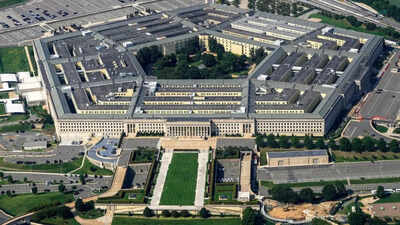
The Pentagon has raised its counterintelligence threat assessment for Israel to the highest level – “critical” – amid escalating tensions between Washington and Israel over the way forward in the war with Iran, according to two current US officials and one former official who spoke to NBC News.The Pentagon’s Defense Intelligence Agency posted an internal message in recent weeks detailing the change, which was viewed by one of the current officials. The designation stems from growing concerns within the Pentagon that Israel is making a targeted effort to surveil top US officials to gather intelligence on the Trump administration’s internal deliberations and decision-making regarding Middle East conflicts.The DIA assessment includes a seven-page document and features a specific chart, one of the current US officials said. The document notes that Israel’s capabilities to conduct both human espionage and technical information collection have reached a “critical level.” It also identifies a series of specific incidents that heightened US concerns, the official added.
Israel denies the claim
A spokesperson for the Israeli embassy in Washington denied the report, calling it “completely false.”“Israel does not gather intelligence on American entities, let alone US government officials,” the spokesperson said in a statement. “Israel intelligence collection efforts are aimed at its enemies, not its allies. Any claims to the contrary are either misinformed or politically motivated.”The Pentagon declined to comment. A White House official said in a statement: “This entire story is false and sourced to someone who doesn’t have any knowledge of what’s going on.”
Rising tensions between allies
The heightened alert comes as President Donald Trump and Israeli Prime Minister Benjamin Netanyahu have clashed over the war with Iran and Israel’s military operations in Lebanon, including a tense phone call this past week. Trump acknowledged afterward that he called Netanyahu “crazy” during the call as questions mount about whether the two countries’ objectives in the Middle East are beginning to diverge significantly.Since a ceasefire took effect in early April, Trump has been pursuing a diplomatic deal with Iran to end the war that Israel and the US launched on February 28.Israel has publicly expressed skepticism that Iran would abide by any negotiated deal, and Netanyahu has pushed for a resumption of bombing raids against Iran while disagreeing with Trump, who has pressed him to scale back attacks against Hezbollah in Lebanon.Israel is keenly interested in whether Trump decides to resume major combat operations against Iran or end the conflict, the current and former US officials and outside experts said.The US already takes extra precautions when visiting Israel, one of the current US officials said. “They’re well-known to aggressively collect,” the official said of Israel.Top US officials often use burner phones and computers and exercise extreme caution when speaking in hotel rooms during official trips to Israel, the officials said.The US and Israel remain close allies, and their intelligence services have forged a close working relationship over decades. But concerns about possible Israeli espionage at such a sensitive moment — when the two governments are not in full agreement about the war with Iran — carry the risk of undermining trust between the two countries, two additional former US officials said.


