
Bangladesh will vote Thursday in a Parliamentary election that will perhaps have more far-reaching consequences for India than any such exercise in the recent past in its neighbourhood. Ironically, with Sheikh Hasina’s Awami League not in the fray, India’s best hopes of a realistic reset in ties with Dhaka rest on a majority for the frontrunner Bangladesh Nationalist Party (BNP), Hasina’s bête noire and a party with historically fraught ties with New Delhi. Wrongfooted by the 2024 July Uprising that ousted long-term ally Hasina, India intensified its outreach to the BNP realising the then Khaleda Zia-led party offered the optimum choice for future legitimacy and stability in the country. The renewed engagement with BNP leaders, PM Narendra Modi’s offer of help for Zia’s treatment just before her demise and his letter to her son and current leader Tarique Rahman, delivered through foreign minister S Jaishankar, firmed up the initiative, despite the restraining factor of Hasina’s presence in India. In the absence of the banned Awami League, the election is expected to see a tight bipolar contest between the BNP alliance and the other major bloc comprising 11 parties – including a curious mix of Islamists and Gen-Z revolutionaries – which is led by India’s traditional foe Jamaat-e-Islami. Jamaat is joined by the National Citizen Party (NCP), a new political outfit composed of student leaders who led mass protests that toppled Hasina. Apart from the election outcome, India will also closely follow the Constitutional “July Charter” referendum that will take place alongside the general election. With its emphasis on a two-term limit for the PM, introduction of an upper house to review legislation and on Bangladeshi, not Bengali, identity, the referendum seems designed not just to prevent the return of “authoritarianism” but also to minimise India’s deep-rooted cultural and linguistic bonds with the country. While India would not like to delay any outreach to the likely new government, given the significance it attaches to ties with Dhaka for its own security and also Bangladesh’s growing reputation as a “swing state” coveted by powers like the US and China, any such exercise will be mindful of several key concerns. First of course is security. Not allowing Indian insurgent groups in the northeast to use Bangladesh territory against India will top India’s agenda with the new government, given that the BNP-Jamaat government two decades ago was accused of providing safe havens to such groups. Robust security cooperation, including intelligence-sharing, can mitigate concerns. Equally important will be preventing Pakistani forces from using Bangladesh to target Indian interests. The interim government has already effected a dramatic turnaround in ties with Pakistan and efforts to step up defence and security ties with frequent visits to Dhaka by ISI officials will aggravate India’s security concerns. Pakistan pivot is also what the BNP-Jamaat government was accused of in the past. India will also watch closely Chinese ingress into Bangladesh’s defence sector, including a recent deal to manufacture drones not far from Indian territory. The safety and security of the 13-million strong Hindu community will also be on top of India’s agenda with the new government, as evident from the way Modi has himself raised this issue on several occasions. India will expect continued cooperation for transport of goods to the northeast through ports in Bangladesh under the existing frameworks. However, for any outreach to be meaningful, India might have to first address the Hasina factor. The BNP will press on with the demand to extradite Hasina, who has been sentenced to death for alleged crimes against humanity. According to a source in Dhaka, this is an issue that relates to the people’s sentiments and India will not be seen as a reliable ally till the time it is seen as shielding Hasina. While a likely BNP government is expected to aggressively pursue issues related to border killings, water sharing and even revival of SAARC, India might also face a challenge in the form of a resurgent Jamaat that is projected to win anywhere between 50 to 100 seats, more than ever in its history. If that happens, the party could trigger some serious anxiety in India about its role not just as a powerful opposition but also a potential ally of the BNP.End of ArticleFollow Us On Social MediaVideos‘GST After Death?’ Sitharaman Takes Dig at TMC During Budget ReplyRespect One, Call Another Traitor? Sitharaman Exposes Rahul’s Double StandardsBaloch Leader Akhtar Mengal Stuns Pakistan, Says Balochistan’s ‘Separation Is The Only Option Now”Modi Sold Bharat Mata’: Rahul Blasts Centre Over India-US Trade Deal, Govt hits back’India A Priority, No Second Class Citizen’: Jamaat Chief’s Big Statement Before Key Bangladesh VoteBangladesh Elections 2026: Key Players and Why India, China & Pakistan Are WatchingEntertainment Value Or Evidence? Hardeep Puri Blasts Rahul Gandhi’s ‘Buffoonery’ On Epstein FilesMuhammad Yunus Assures Smooth Handover Ahead Of Bangladesh’s First Elections After Hasina Exit”If You Had Taken My Advice” Jagdambika Pal Responds To Rahul Gandhi’s Ex-Congress Jab“Will Move Privilege Notice Against Rahul Gandhi”: BJP Slams Rahul Over ‘Baseless Allegations’123Photostories6 Vastu-recommended paintings you should have in your home to attract wealth and prosperityExclusive – Kanika Mann on bagging Naagin 7, playing a negative role and comparisons with Priyanka Chahar Choudhary; says ‘I am open to it’18 must-try coffee drinks from around the world5 real estate hotspots in Surat, Gujarat driving property demand5 fire safety measures every residential building must have5 heartfelt romance dramas on Peacock that are a must-watch ahead of Valentine’s DayKerala Assembly polls 2026: PM Modi kick starts BJP’s campaign with launch of several development projects260 million Indians consume tobacco, 14–16% drink alcohol: The preventable crisis behind over 1.3 million deaths in the country6 successful conservation stories from India, and why they are such great news6 desi Indian pulses (dal) with GI tag and how they are consumed123Hot PicksMumbai Mayor SelectionGold Silver PricesParliament Budget SessionBharat BandhIncome Tax CalculatorPublic holidays February 2026Bank Holidays februaryTop TrendingEngland vs West Indies Live ScoreScott NiedermayerBengaluru Techie MurderMM NaravaneKhwaja AsifBengaluru Businessman Bank Account HackedKiren RijijuHind Al OwaisBOB Assistant Admit CardWhen JEE Main Result Out
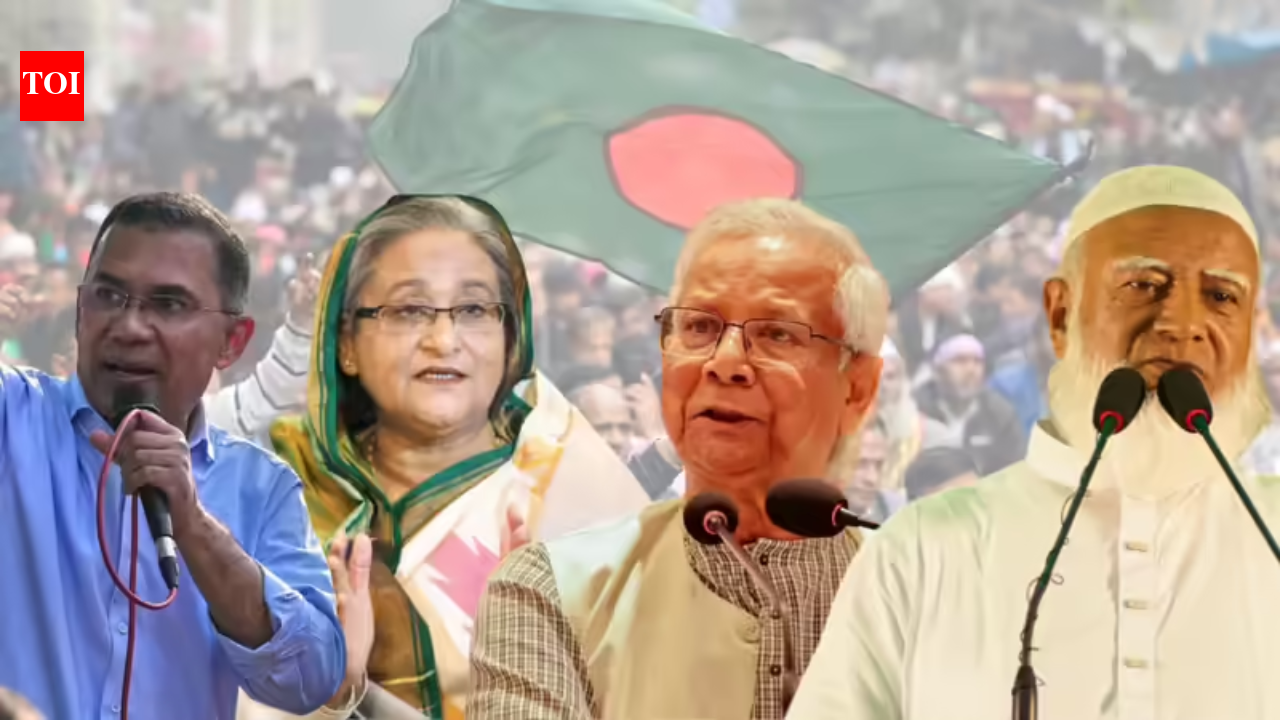
Bangladesh will vote Thursday in a Parliamentary election that will perhaps have more far-reaching consequences for India than any such exercise in the recent past in its neighbourhood. Ironically, with Sheikh Hasina’s Awami League not in the fray, India’s best hopes of a realistic reset in ties with Dhaka rest on a majority for the frontrunner Bangladesh Nationalist Party (BNP), Hasina’s bête noire and a party with historically fraught ties with New Delhi. Wrongfooted by the 2024 July Uprising that ousted long-term ally Hasina, India intensified its outreach to the BNP realising the then Khaleda Zia-led party offered the optimum choice for future legitimacy and stability in the country. The renewed engagement with BNP leaders, PM Narendra Modi’s offer of help for Zia’s treatment just before her demise and his letter to her son and current leader Tarique Rahman, delivered through foreign minister S Jaishankar, firmed up the initiative, despite the restraining factor of Hasina’s presence in India. In the absence of the banned Awami League, the election is expected to see a tight bipolar contest between the BNP alliance and the other major bloc comprising 11 parties – including a curious mix of Islamists and Gen-Z revolutionaries – which is led by India’s traditional foe Jamaat-e-Islami. Jamaat is joined by the National Citizen Party (NCP), a new political outfit composed of student leaders who led mass protests that toppled Hasina. Apart from the election outcome, India will also closely follow the Constitutional “July Charter” referendum that will take place alongside the general election. With its emphasis on a two-term limit for the PM, introduction of an upper house to review legislation and on Bangladeshi, not Bengali, identity, the referendum seems designed not just to prevent the return of “authoritarianism” but also to minimise India’s deep-rooted cultural and linguistic bonds with the country. While India would not like to delay any outreach to the likely new government, given the significance it attaches to ties with Dhaka for its own security and also Bangladesh’s growing reputation as a “swing state” coveted by powers like the US and China, any such exercise will be mindful of several key concerns. First of course is security. Not allowing Indian insurgent groups in the northeast to use Bangladesh territory against India will top India’s agenda with the new government, given that the BNP-Jamaat government two decades ago was accused of providing safe havens to such groups. Robust security cooperation, including intelligence-sharing, can mitigate concerns. Equally important will be preventing Pakistani forces from using Bangladesh to target Indian interests. The interim government has already effected a dramatic turnaround in ties with Pakistan and efforts to step up defence and security ties with frequent visits to Dhaka by ISI officials will aggravate India’s security concerns. Pakistan pivot is also what the BNP-Jamaat government was accused of in the past. India will also watch closely Chinese ingress into Bangladesh’s defence sector, including a recent deal to manufacture drones not far from Indian territory. The safety and security of the 13-million strong Hindu community will also be on top of India’s agenda with the new government, as evident from the way Modi has himself raised this issue on several occasions. India will expect continued cooperation for transport of goods to the northeast through ports in Bangladesh under the existing frameworks. However, for any outreach to be meaningful, India might have to first address the Hasina factor. The BNP will press on with the demand to extradite Hasina, who has been sentenced to death for alleged crimes against humanity. According to a source in Dhaka, this is an issue that relates to the people’s sentiments and India will not be seen as a reliable ally till the time it is seen as shielding Hasina. While a likely BNP government is expected to aggressively pursue issues related to border killings, water sharing and even revival of SAARC, India might also face a challenge in the form of a resurgent Jamaat that is projected to win anywhere between 50 to 100 seats, more than ever in its history. If that happens, the party could trigger some serious anxiety in India about its role not just as a powerful opposition but also a potential ally of the BNP.


