
Archaeologists have decoded a 4,000-year-old beer receipt, uncovering fascinating details about ancient drinking culture and society


A clay tablet, hidden away in museum archives for decades, has revealed a remarkable story of daily life in ancient Mesopotamia. Researchers have deciphered a 4,000-year-old cuneiform tablet that functioned as a beer receipt, providing rare insight into how one of the world’s oldest civilizations produced, distributed and valued one of humanity’s oldest drinks.The discovery is part of the “Hidden Treasures” project, a cooperation between the University of Copenhagen and the National Museum of Denmark, the university said. The project will analyze, recognize and digitize ancient cuneiform texts that have been largely unstudied for years, but are preserved in museum collections.One of the artifacts, a tablet (NMC 7962) that detailed beer deliveries, was particularly noteworthy for its novel perspectives on the economic and social significance of beer in Mesopotamian society.
4,000-year-old beer receipt
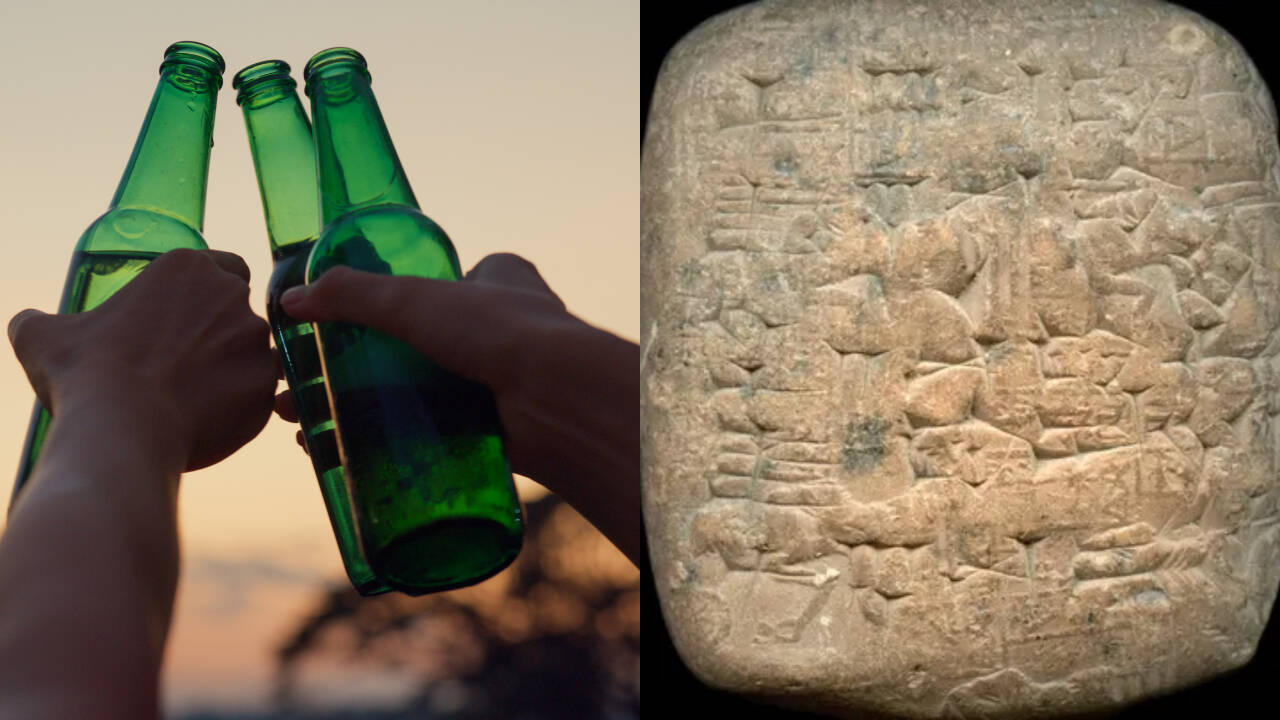
The tablet is dated to the Ur III period, one of the most important periods in Mesopotamian history, which lasted from about 2112 to 2004 B.C. The artifact had been published earlier by the famous Danish Sumerologist Thorkild Jacobsen but was re-examined during the digitization project and the researchers came to appreciate its significance in more detail.These types of beer receipts are typical administrative documents used to keep track of deliveries made by institutions, says Troels Pank Arbøll, associate professor of Assyriology at the University of Copenhagen.Instead of recording a social occasion or a tavern binge, the tablet became an official record, meticulously listing the amount and type of beer served over two consecutive days.
Beer was a central part of Mesopotamian life
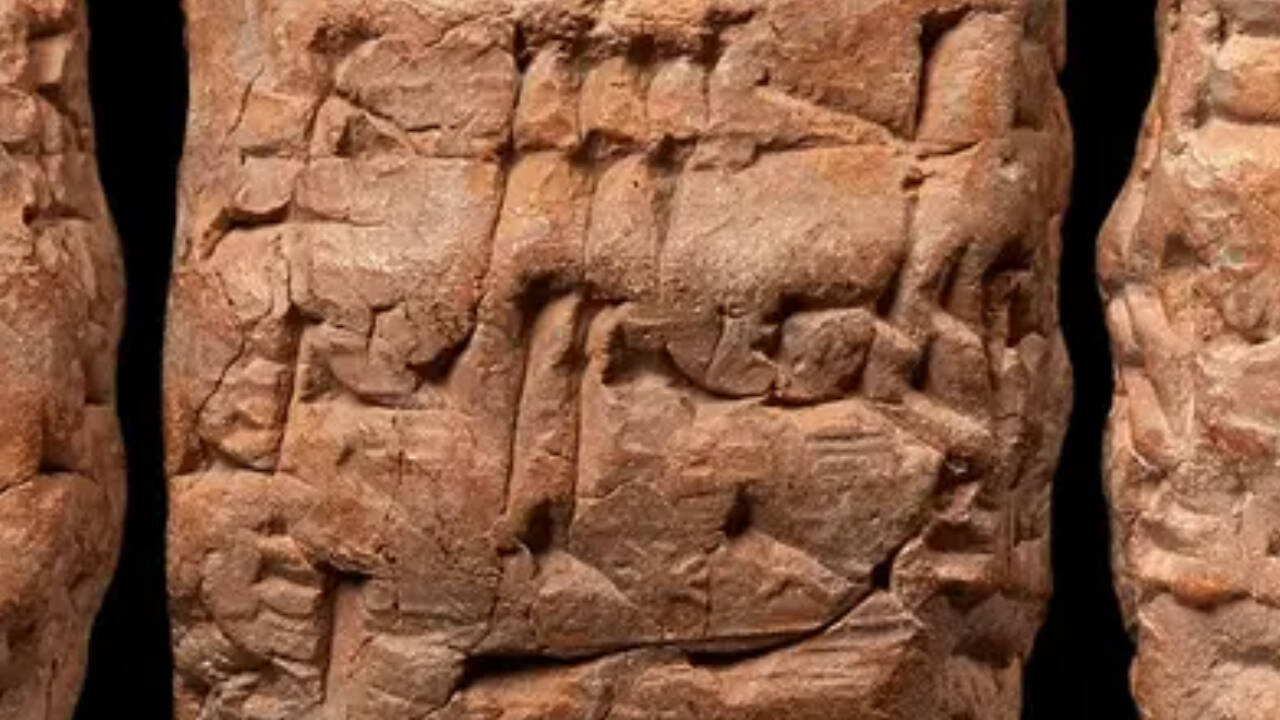
Beer was central to Mesopotamian culture from the invention of writing in the late fourth millennium B.C. until the decline of cuneiform civilization thousands of years later, Arbøll said. “It was part and parcel of urbanized life,” said he.The receipt makes a distinction between premium and ordinary varieties of beer, suggesting that different grades were already being produced and distributed more than four thousand years ago.The inscription records deliveries of 16 litres of good beer and 55 litres of ordinary beer on one day and another 12 litres of good beer and 40 litres of ordinary beer the next. Altogether the shipment was more than 120 litres – more than 30 gallons – indicating that beer distribution was on a large scale.The document mentions the delivery, but researchers say it is unclear who drank the beer. The tablet was received by the provincial governor, whose official cylinder seal is stamped into the clay, suggesting it passed through the government administration.
What did beer taste like in antiquity?

That receipt also raises an interesting question: what did Mesopotamian beer taste like? Early brewers used mostly barley, but recipes sometimes included ingredients such as emmer wheat or date syrup, depending on the period and region, Arbøll said. Ancient brews were cloudy with sediment, unlike modern filtered beers.This is why Mesopotamian art often shows people drinking beer from long hollow reeds that acted as straws, allowing them to drink the liquid but leave the grain behind.Many researchers and experimental archaeologists have tried to recreate these ancient recipes over the years. One well-known example is the University of Chicago, which has been attempting to give modern audiences a taste of what people might have enjoyed thousands of years ago.
A glance into the world’s first civilizations
Historians say that while a beer receipt may seem ordinary, documents like NMC 7962 are valuable because they document the routines of everyday life, not the achievements of kings or military campaigns.Administrative records show how institutions managed resources, organized supplies and kept detailed accounts, revealing the sophistication of Mesopotamian bureaucracy. They also show that beer was much more than a recreational beverage: it was an essential good closely associated with the economy, administration and everyday existence.The tablet, which was found again, points to the significance of using modern research techniques to look through museum collections. Archives contain countless artifacts that may yet tell untold stories, providing new perspectives on some of humanity’s earliest civilizations.This humble clay receipt, now more than 4,000 years old after it was inscribed, is a remarkable testament to the enduring role of food, drink and record-keeping in shaping human society.Images Courtesy: National Museum of Denmark and istock


