
AP photo MUMBAI: When Air India flight AI 171 crashed into the B J Medical College hostel in Ahmedabad on June 12, 2025, it killed 241 of the 242 people aboard and 19 more on the ground, among them were four medical students having lunch in their hostel mess. Though all the 260 people killed were victims of the same accident, under Indian compensation laws, they were not quite the same kind of victims, say experts.“Through the Carriage by Air Act and the Montreal Convention regime, passengers and their families benefit from a structured system of liability, insurance, and compensation. However, no comparable statutory framework exists for persons on the ground who become victims of aircraft accidents,” said Safety Matters Foundation (SMF), an aviation safety non-profit, in a letter to the aviation ministry Sunday.“Unlike passengers, compensation for ground victims presently depends largely upon a combination of tort litigation, insurance claims, settlements and ex gratia payments,” the letter said.The absence of a dedicated statutory mechanism creates uncertainty over liability, quantum of compensation, timelines for relief, claims procedures and access to justice. It requested govt to establish a statutory ‘Ground Victims Compensation Framework’, introduce strict liability provisions so victims only need to establish the injury, death or property damage resulted from an aircraft accident, provide mandatory interim compensation within a prescribed period, prescribe minimum compensation standards, etc.India’s Aircraft (Investigation of Accidents and Incidents) Rules explicitly include people on the ground injured through contact with an aircraft within the definition of an accident. Along with passengers, ground victims are counted in the total tally of the injured or dead, but no legal document exists that recognises their right to compensation. In the days following the AI 171 accident, the Gujarat govt acknowledged it had not yet decided on compensation for those killed or seriously injured (67) on the ground. Later, Air India released interim payment of Rs 25 lakh to ground victims’ families alongside passengers’.But the amount paid to ground victims’ families was more like ex gratia payment and not legal entitlement.Internationally too, the problem is unresolved. The 1952 Rome Convention established a system for compensating people on the ground who suffer damage from a foreign aircraft, but it did not gain widespread acceptance. India signed the convention but did not ratify it. Following the 9/11 terror attacks, the UN’s International Civil Aviation Organisation developed two updated third-party liability conventions adopted in Montreal in 2009. However, neither treaty has received enough ratifications to enter into force. But some countries have legal frameworks in place, such as Switzerland’s Aviation Act, which imposes unlimited strict liability on any aircraft operator, or Belgium, which incorporated the Rome Convention into national law.Get the latest India news and live updates. Download the TOI App.About the AuthorManju VManju V, senior Editor at the Times of India in Mumbai writes on civil aviation.End of ArticleFollow Us On Social MediaVideosIndia–Oman Coordination Brings Breakthrough: Indian Crew Rescued Safely”People Began Jumping Out…”: Passenger Recounts Dreading MP Rail Accident Moments’Not Just People, Even Bangladeshi Parties Are Infiltrating’: Adhir Ranjan’s Jibe Amid TMC CrisisBhagwant Mann Faces Akal Takht Rebuke; Sikh Body Summons Punjab CabinetPM Modi Elevates India-Slovakia Ties To Comprehensive Partnership During Historic Bratislava VisitNCERT’s New Class 9 Textbook Alters Mohenjo-daro’s Iconic Dancing Girl, Triggers DebateAbhijeet Dipke Allegedly Slapped At Jaipur Protest, Viral Video Shows Crowd Turning On Accused Man‘My Brother Was Murdered’: Gyan Bindu Director Roshan Anand’s Big Charge Against Khan SirMP Kapil Sibal Flags Constitutional Breach in TMC Rebels’ Merger AttemptTwo Pak Military Pilots Die After Pakistan Air Force’s Training Aircraft Goes Down In Mardan123PhotostoriesSushmita Sen to Mandira Bedi: 5 bollywood actresses who chose adoption and redefined motherhoodSuccess quote of the day by Egyptian footballer Mohamed Salah: “I always think about small details because…”Your child is not your therapist; 5 hidden ways sharing marital problems affect kids and what can parents do insteadBest national parks in Karnataka: 8 wildlife destinations for tiger safari and birdwatching5 foods a doctor eats to fight fatty liver disease6 foods desi pehalwans ate before protein supplements became a trend10 types of people that drain your energy and peace of mind without realising it, as per psychologistUK to ban social media for under-16s: 5 countries that are already restricting children’s access onlineWhy your blood sugar may rise in summer even when you’re eating ‘Healthy,’ and the smart swaps that can helpYoga for healthy ageing: Understanding the theme of International Yoga Day 2026123Hot PicksIndia A vs Sri Lanka A live scoreAbhijeet DipkeTarique RahmanGreen Card NewsLamine YamalDana WhiteNoida airportStock Market LiveGold rate todayTop TrendingKerala HSCAP first allotment result 2026UPSC Prelims ResultNEET UG Paper Leak ScamFIFA World Cup 2026Aldon SmithNoida AirportITR filing FY 2025-26CBSE 10th Second Board Result 2026Shreyanka PatilSpain vs Cabo Match Preview

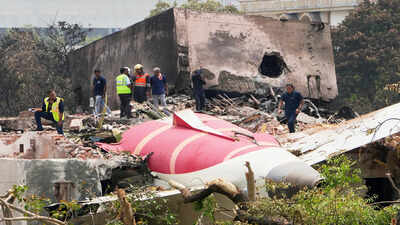
MUMBAI: When Air India flight AI 171 crashed into the B J Medical College hostel in Ahmedabad on June 12, 2025, it killed 241 of the 242 people aboard and 19 more on the ground, among them were four medical students having lunch in their hostel mess. Though all the 260 people killed were victims of the same accident, under Indian compensation laws, they were not quite the same kind of victims, say experts.“Through the Carriage by Air Act and the Montreal Convention regime, passengers and their families benefit from a structured system of liability, insurance, and compensation. However, no comparable statutory framework exists for persons on the ground who become victims of aircraft accidents,” said Safety Matters Foundation (SMF), an aviation safety non-profit, in a letter to the aviation ministry Sunday.“Unlike passengers, compensation for ground victims presently depends largely upon a combination of tort litigation, insurance claims, settlements and ex gratia payments,” the letter said.The absence of a dedicated statutory mechanism creates uncertainty over liability, quantum of compensation, timelines for relief, claims procedures and access to justice. It requested govt to establish a statutory ‘Ground Victims Compensation Framework’, introduce strict liability provisions so victims only need to establish the injury, death or property damage resulted from an aircraft accident, provide mandatory interim compensation within a prescribed period, prescribe minimum compensation standards, etc.India’s Aircraft (Investigation of Accidents and Incidents) Rules explicitly include people on the ground injured through contact with an aircraft within the definition of an accident. Along with passengers, ground victims are counted in the total tally of the injured or dead, but no legal document exists that recognises their right to compensation. In the days following the AI 171 accident, the Gujarat govt acknowledged it had not yet decided on compensation for those killed or seriously injured (67) on the ground. Later, Air India released interim payment of Rs 25 lakh to ground victims’ families alongside passengers’.But the amount paid to ground victims’ families was more like ex gratia payment and not legal entitlement.Internationally too, the problem is unresolved. The 1952 Rome Convention established a system for compensating people on the ground who suffer damage from a foreign aircraft, but it did not gain widespread acceptance. India signed the convention but did not ratify it. Following the 9/11 terror attacks, the UN’s International Civil Aviation Organisation developed two updated third-party liability conventions adopted in Montreal in 2009. However, neither treaty has received enough ratifications to enter into force. But some countries have legal frameworks in place, such as Switzerland’s Aviation Act, which imposes unlimited strict liability on any aircraft operator, or Belgium, which incorporated the Rome Convention into national law.


