
ANI photo NEW DELHI: The Indian Embassy in Tehran Monday issued an urgent advisory asking Indian nationals to avoid travelling to Iran and urging those already in the country to leave at the earliest through available transport options.Amid a rapidly worsening security situation in West Asia, the advisory follows a significant escalation in hostilities across the region over the past 24 hours, marked by missile exchanges, airstrikes on strategic targets and renewed military action involving Israel and Iran. The developments have raised concerns over regional stability and the safety of foreign nationals in the conflict zone.”In view of the latest developments in the region, the Embassy reiterates its earlier advice to all Indian Nationals to avoid any travel to Iran. Indian Nationals presently in Iran are also advised to exit the country by available means of transport,” the Indian Embassy in Tehran said on Monday.The unending war?Israel and Iran exchanged fire on Monday as their conflict entered its 100th day, placing an already fragile ceasefire under severe strain and increasing fears of a wider regional confrontation.Adding to concerns over maritime security, the Iran-backed Houthis announced a ban on Israeli shipping through the Red Sea, one of the world’s most important trade and shipping routes, according to The Jerusalem Post.The latest military exchanges included an attack on an Iranian petrochemical facility, while Iran’s Revolutionary Guard said it had targeted two Israeli military bases. The strikes took place only hours after US President Donald Trump reportedly urged Israel not to retaliate against Iranian missile attacks.Escalation follows strikes and counterstrikesThe latest flare-up followed Israeli airstrikes on Beirut’s southern suburbs on Sunday. Iran subsequently launched retaliatory strikes, setting off a fresh cycle of attacks and counterattacks that continued into Monday.The renewed violence has cast doubt over ongoing diplomatic efforts aimed at ending the conflict, which began on February 28. Analysts fear the latest escalation could undermine attempts to secure a broader political settlement and derail negotiations over Iran’s nuclear programme.Trump’s diplomatic push faces setbackThe resurgence of hostilities presents a major challenge for Trump, who has been pressing Israeli Prime Minister Benjamin Netanyahu to show restraint and avoid actions that could trigger a broader regional war.The US President recently underscored his role in diplomatic efforts, stating in an interview that he “calls the shots”.Trump suggested that Netanyahu would eventually have little choice but to accept a negotiated settlement, warning that continued military retaliation would only prolong instability.”If Bibi strikes them back, it’s just going to keep going like the last 47 years, or the last 3,000 years.”White House urges return to negotiationsThe latest escalation came as Trump continued to publicly advocate de-escalation through multiple media appearances.Speaking to Fox News, he expressed frustration that the military exchanges had occurred at a time when diplomatic progress appeared within reach.”We’re very close. I would say an agreement would be signed on Monday, Tuesday or Wednesday of this coming week. And now this takes place,” Trump told Fox News, before directly addressing the leadership in Tehran. “You’ve shot your missiles, that’s enough. Get back to the table and make a deal.”According to Axios, Trump also held a telephone conversation with Netanyahu shortly after Iran launched its initial missile barrage in an effort to prevent a broader conflict. The report, citing a US official, said the President sought to reduce pressure for a retaliatory response by downplaying the impact of the strikes.”The Iranian strikes didn’t hurt anybody. Hopefully Israel is not going to retaliate.”Netanyahu cannot block a deal, says TrumpIn a separate interview with the Financial Times, Trump maintained that Netanyahu would not be able to prevent a wider agreement between Washington and Tehran.”He won’t have any choice.”The remarks came as diplomatic efforts continued amid mounting uncertainty over whether the latest military escalation would further complicate negotiations or push the region closer to a broader conflict.About the AuthorRajeev SinghRajeev Singh is a Digital Content Producer with The Times of India. He covers politics, policies, defence, and conflicts for readers curious to know their implications. He loves digging into legal maxims and political trivia. On off days, when not turning pages or learning русский, he lives in the reverie of “what ifs” and “how abouts.”Read MoreEnd of ArticleFollow Us On Social MediaVideosNo Tamil Nadu Party Attends INDIA Bloc Meeting As TVK, DMK Stay AwayShamli Conversion Row: Gym Trainer, Father Held After Businessman Alleges Son Was Trapped, ConvertedTMC’s Jahangir Khan Arrested Near Nepal Border: The Rise, Controversy & Fall Of Falta’s StrongmanNazia Elahi Khan Writes To Yogi Adityanath Seeking Ban On Weapons During Muharram ProcessionsJaipur Sees 24-Hour Internet Suspension; SOG Identifies 100+ Doctors In Fake FMG Certificate RacketAshok Gehlot Reopens 2022 Congress Presidential Race Debate, Alleges ‘Conspiracy’ Behind LeadershipTMC Headquarters Faces Fresh Trouble As Property Owner Seeks Police Help To Evict PartyNepal Clarifies It Sought Historical Records From UK, Not Mediation In Border Dispute With IndiaNEET-UG Retest Under Maximum Security: Paper Setters Placed In Lockdown At Secret FacilityAAP Rules Out Tie-Up With Cong, DMK Boycotts INDIA Bloc Meeting123PhotostoriesWorld Brain Tumour Day: When forgetfulness is a warning sign; expert shares early brain tumor symptomsFrom Vanki to Kasu Mala:Decoding the traditional temple jewellery trousseauWhat you can do to protect your aura; based on your date of birth?5 of the most unique road systems from around the world every traveller should experience at least once5 budget-friendly countries Indians can visit this July5 iconic Bollywood bedrooms that still live rent-free in our minds and were every teenager’s dreamBrahminy blind snake: Meet the world’s “flowerpot snake” that secretly travels through plant soilWalk-in vs modular closets: Which closet design makes busy workday mornings less chaotic?5 succulents that can make even the smallest rental apartment look stylishFrom humidity control to airflow: Top 6 expert tips to keep your home fresh during travel123Hot PicksGold Rate TodayDana WhiteCockroach janta partyIran AttackSachin TendulkarStephen A SmithNFL Trade RumorFortnite LeaksEngland Kansas City ShootingTop TrendingStock Market TodayStock market crashJaipur internet banIndia vs Afghanistan ScoreDriving Licence ValidityHyderabad Techie MurderSukhendu Sekhar Roy ResignationGurgaon Double MurderDehradun Polytechnic CollegeDU Professor Murder

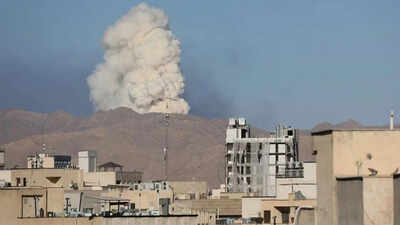
NEW DELHI: The Indian Embassy in Tehran Monday issued an urgent advisory asking Indian nationals to avoid travelling to Iran and urging those already in the country to leave at the earliest through available transport options.Amid a rapidly worsening security situation in West Asia, the advisory follows a significant escalation in hostilities across the region over the past 24 hours, marked by missile exchanges, airstrikes on strategic targets and renewed military action involving Israel and Iran. The developments have raised concerns over regional stability and the safety of foreign nationals in the conflict zone.“In view of the latest developments in the region, the Embassy reiterates its earlier advice to all Indian Nationals to avoid any travel to Iran. Indian Nationals presently in Iran are also advised to exit the country by available means of transport,” the Indian Embassy in Tehran said on Monday.
The unending war?
Israel and Iran exchanged fire on Monday as their conflict entered its 100th day, placing an already fragile ceasefire under severe strain and increasing fears of a wider regional confrontation.Adding to concerns over maritime security, the Iran-backed Houthis announced a ban on Israeli shipping through the Red Sea, one of the world’s most important trade and shipping routes, according to The Jerusalem Post.The latest military exchanges included an attack on an Iranian petrochemical facility, while Iran’s Revolutionary Guard said it had targeted two Israeli military bases. The strikes took place only hours after US President Donald Trump reportedly urged Israel not to retaliate against Iranian missile attacks.
Escalation follows strikes and counterstrikes
The latest flare-up followed Israeli airstrikes on Beirut’s southern suburbs on Sunday. Iran subsequently launched retaliatory strikes, setting off a fresh cycle of attacks and counterattacks that continued into Monday.The renewed violence has cast doubt over ongoing diplomatic efforts aimed at ending the conflict, which began on February 28. Analysts fear the latest escalation could undermine attempts to secure a broader political settlement and derail negotiations over Iran’s nuclear programme.
Trump’s diplomatic push faces setback
The resurgence of hostilities presents a major challenge for Trump, who has been pressing Israeli Prime Minister Benjamin Netanyahu to show restraint and avoid actions that could trigger a broader regional war.The US President recently underscored his role in diplomatic efforts, stating in an interview that he “calls the shots”.Trump suggested that Netanyahu would eventually have little choice but to accept a negotiated settlement, warning that continued military retaliation would only prolong instability.“If Bibi strikes them back, it’s just going to keep going like the last 47 years, or the last 3,000 years.”
White House urges return to negotiations
The latest escalation came as Trump continued to publicly advocate de-escalation through multiple media appearances.Speaking to Fox News, he expressed frustration that the military exchanges had occurred at a time when diplomatic progress appeared within reach.“We’re very close. I would say an agreement would be signed on Monday, Tuesday or Wednesday of this coming week. And now this takes place,” Trump told Fox News, before directly addressing the leadership in Tehran. “You’ve shot your missiles, that’s enough. Get back to the table and make a deal.”According to Axios, Trump also held a telephone conversation with Netanyahu shortly after Iran launched its initial missile barrage in an effort to prevent a broader conflict. The report, citing a US official, said the President sought to reduce pressure for a retaliatory response by downplaying the impact of the strikes.“The Iranian strikes didn’t hurt anybody. Hopefully Israel is not going to retaliate.”
Netanyahu cannot block a deal, says Trump
In a separate interview with the Financial Times, Trump maintained that Netanyahu would not be able to prevent a wider agreement between Washington and Tehran.“He won’t have any choice.”The remarks came as diplomatic efforts continued amid mounting uncertainty over whether the latest military escalation would further complicate negotiations or push the region closer to a broader conflict.


