
Abhijeet Dipke raises questions during campaign NEW DELHI: Cockroach Janta Party (CJP) founder Abhijeet Dipke visited villages in Maharashtra’s Hingoli district as part of his ‘School Thik Karo’ campaign, inspecting government schools and raising concerns over the condition of school infrastructure and the quality of food supplies used for midday meals.Speaking about his findings, Dipke said, “I was absolutely shocked by what I saw this morning. The food items being used for the midday meal were expired—they had gone past their expiry date six or seven months ago. I want to ask the ministers, MLAs, and officials—do they feed their own children expired food?”He also raised concerns about basic facilities in government schools, alleging that several schools lacked drinking water, usable washrooms, benches and adequate teaching staff.”Even after all these years, if children in our country’s government schools lack drinking water and usable restrooms and have to sit on the floor because there are no benches—then what exactly has been done?” Dipke said.”Only when the government supports these children and builds good schools for them will they be able to achieve something in life,” he added.Dipke further said, “None of the schools have drinking water, and none of them have washrooms. None of the schools have benches for children to sit on, nor do they have enough teachers.”During his visit to Kadoli village, Dipke said he found a school building that had been constructed in 1950 and claimed that no work had been carried out on it since then.”When I visited Kadoli village, I saw a building that had been constructed back in 1950. No work had been done on that building since 1950,” he said.Dipke alleged that political interests were being prioritised over the needs of children, saying, “Their only priority is gaining power by any means necessary.”Dipke had launched the campaign on August 15 from his native village, Santuk Pipri, and returned to the area to inspect schools in Lohgaon, Karanjal, Jamdaya, Jambhrun and Khillar.Dipke had earlier said the campaign would be expanded to other talukas across Maharashtra before being taken nationwide as a social-audit exercise involving parents and local communities. The initiative has also drawn attention beyond the state.Join conversationView All Comments →Share your thoughts in the commentsInsightfulAgreeDisagreeSkepticalConcerningPromisingWorth ReadingBig DevelopmentPost CommentBe respectful · TOI community guidelinesIn Rajasthan, authorities recently barred outsiders from entering government-school premises without prior permission and prohibited photography, videography, interviews and live streaming inside schools. However, officials have not explicitly linked the restrictions to Dipke’s campaign.Dipke is seeking to turn individual complaints about government schools into a broader accountability campaign, arguing that meaningful improvement will require officials, politicians and local communities to confront the conditions in schools firsthand.Get the latest India News and Live updates. Download the TOI app.About the AuthorAadrita HalderWrites on social matters, geopolitics, and trending issues for the Times of India.End of ArticleFollow Us On Social MediaVideosRahul Gandhi Slams BJP-RSS Over Kharge ‘Shuddhikaran’, Demands Action Under SC/ST ActPakistani Drones Spotted Along LoC: Indian Army Intensifies Surveillance In J&K | WatchPM Modi’s 4-Day Central Asia Visit: Uzbekistan, Kyrgyzstan & SCO Summit | India’s Diplomatic PushB Nagendra Quits Karnataka Cabinet Amid Valmiki Scam Allegations, Calls Charges Politically DrivenBlast Near Manipur BJP MLA’s House; CM Khemchand Singh Calls Attack ‘Barbaric’Fresh Threat To Kashmiri Pandits: Terror Group ULC Warns Over Reopening Exodus Cases | WatchUS Green Card Wait, USCIS Checks, UK Visas: How Immigration Rules Impact IndiansIndia Plans Javelin Missile Buy From US, Giving Infantry A Battle-Tested Tank-Killing Edge | Watch’Willing & Keen’: Penguin Random House Denies Dropping Sonia Gandhi’s Memoir Over Editorial ChangesGovt Taps EIL For Quality Checks On 5,000 Km Of Road Projects After Modi’s ‘4th-Party Audit’ Jibe123PhotostoriesWhy do some eggs have double yolks? The science behind it explainedUse an old toothbrush to clean your taps: 7 places this tiny tool can reachStrong bones aren’t just about milk: 7 foods that help support bone density as you age5 things happy couples do before going to bed every nightFrom Kapil Sharma to Krushna Abhishek: Richest Indian comedians and their net worth8 of the smallest birds you can find in IndiaNepal flash flood: 5 key differences between glacial lake outburst flood (GLOF) and regular floodBlood sugar suddenly rising while using an inhaler? Doctor explains when respiratory medicines could be responsible7 ‘interferences’ that can silently kill a marriage, from over-involved families and demanding careers to phones, money and the pastTalking but not dating? 5 signs this connection may be stuck123Hot PicksNepal floodUGC NET June 2026 resultCNG Price HikeMumbai milk priceRRB NTPC UG CBT 2 examAnkit Baliyan murderSridhar VembuDelhi murderInflation dataTop TrendingSophie Cunningham CareerChandigarh MurderSamay RainaUdaipur HotelFlorida Car CrashUS Green Card HolderBengal HospitalTamil Nadu Son MurderElon MuskKanpur Aircraft Crash

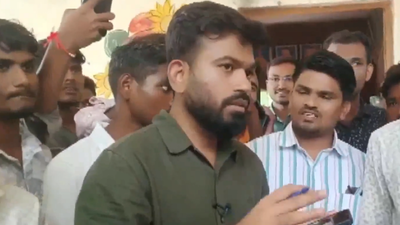
NEW DELHI: Cockroach Janta Party (CJP) founder Abhijeet Dipke visited villages in Maharashtra’s Hingoli district as part of his ‘School Thik Karo’ campaign, inspecting government schools and raising concerns over the condition of school infrastructure and the quality of food supplies used for midday meals.Speaking about his findings, Dipke said, “I was absolutely shocked by what I saw this morning. The food items being used for the midday meal were expired—they had gone past their expiry date six or seven months ago. I want to ask the ministers, MLAs, and officials—do they feed their own children expired food?”He also raised concerns about basic facilities in government schools, alleging that several schools lacked drinking water, usable washrooms, benches and adequate teaching staff.“Even after all these years, if children in our country’s government schools lack drinking water and usable restrooms and have to sit on the floor because there are no benches—then what exactly has been done?” Dipke said.“Only when the government supports these children and builds good schools for them will they be able to achieve something in life,” he added.Dipke further said, “None of the schools have drinking water, and none of them have washrooms. None of the schools have benches for children to sit on, nor do they have enough teachers.”During his visit to Kadoli village, Dipke said he found a school building that had been constructed in 1950 and claimed that no work had been carried out on it since then.“When I visited Kadoli village, I saw a building that had been constructed back in 1950. No work had been done on that building since 1950,” he said.Dipke alleged that political interests were being prioritised over the needs of children, saying, “Their only priority is gaining power by any means necessary.”Dipke had launched the campaign on August 15 from his native village, Santuk Pipri, and returned to the area to inspect schools in Lohgaon, Karanjal, Jamdaya, Jambhrun and Khillar.Dipke had earlier said the campaign would be expanded to other talukas across Maharashtra before being taken nationwide as a social-audit exercise involving parents and local communities. The initiative has also drawn attention beyond the state.
Share your thoughts in the comments
Be respectful · TOI community guidelines
In Rajasthan, authorities recently barred outsiders from entering government-school premises without prior permission and prohibited photography, videography, interviews and live streaming inside schools. However, officials have not explicitly linked the restrictions to Dipke’s campaign.Dipke is seeking to turn individual complaints about government schools into a broader accountability campaign, arguing that meaningful improvement will require officials, politicians and local communities to confront the conditions in schools firsthand.


