
A pervasive uniform aesthetic in consumer culture reflects a decline in individuality, driven by insecurity and the desire to belong. Brands and creators exploit this by selling ready-made identities, leading to overconsumption and environmental strain. This trend prioritises perception over utility, turning curated identities into disposable consumption. .. Step into a cafe, stroll across a college campus, wander through a mall corridor, or glance around an office floor — and one thing hits you: a uniform look. Clean-aesthetic tees, minimalist sneakers, matching water bottles, tote bags, neutral-toned gym outfits, skincare pouches, desk essentials — it’s as if everyone’s pulled straight from the same global wardrobe.But this sameness isn’t just fashion fatigue or convenience. It reflects a bigger shift — one where individuality is quietly fading, replaced by trend-driven conformity. Buying is no longer about what we need or genuinely like; it’s about belonging, insecurity, and feeding the endless scroll.Digital culture observer and content creator Oorjita Shahi, who commands a following of around 37k on social media and goes by @oorja.walking, has been closely tracking these patterns:“We’re in a loop where people are not buying for themselves; they’re buying for the version of themselves they think others want to see. That insecurity is exactly what brands tap into,” she says.What is overconsumption?Overconsumption isn’t just buying a lot. It’s buying more than you need, more than you use, and often more than you can responsibly discard. It means accumulating “stuff” — clothes, gadgets, accessories — at a pace far higher than your lifestyle actually requires.Often, these items aren’t bought for necessity. They’re aesthetic props: water bottles that photograph well, outfits that match a “feed vibe,” skincare kits that promise discipline, notebooks and planners that signal productivity, décor that “completes” a room.The consequences are real. The fashion and consumer goods industry is responsible for 8–10% of global greenhouse gas emissions. Synthetic textiles release microplastics in washing cycles, and many clothes find themselves in landfills within a year. (Scientific American)Buying more than we need isn’t just personal indulgence — it’s a burden on resources, a generator of waste, and a contributor to climate stress.How brands and creators flatten tasteWhat once was local — shaped by culture, climate, and personal history — is now global. Brands and social media creators aren’t selling just products anymore; they’re selling a ready-made aesthetic.With global supply chains, social media marketing, product drops, and algorithm-driven trends, a look created in one place can spread everywhere in days. Platforms reward sameness: neutral clothes, minimalist rooms, curated routines. Follow the formula and you get visibility — and not just online. These aesthetics become social expectations in real life too, shaping how people dress, decorate, and present themselves.Consumers, then, are rarely buying a product — they’re buying a template for identity.Insecurity: the quiet nudgeThe engine behind all this is insecurity. Marketing no longer sells utility; it sells reassurance. Posts, Stories, and videos on Instagram or TikTok cultivate longing: the feeling that maybe, just maybe, you’re not quite enough without this bag, this sneaker, this serum.Psychologists describe this phenomenon as Social Comparison Theory: People constantly evaluate themselves against others, measuring their lives, looks, and possessions. Social media feeds amplify this comparison, nudging users toward purchases that promise belonging, status, or social approval.Research confirms it. A 2021 study, Instagram Influencer Marketing: Perceived Social Media Marketing Activities and Online Impulse Buying, found that when influencers are attractive and trustworthy, users are significantly more likely to make impulse purchases. (First Monday)“If they have it and look good, maybe I should too,” Oorjita explains. That subtle nudge, often subconscious, becomes a cycle of overconsumption.Trends move fast because satisfaction is the enemy of the algorithm; insecurity is its most reliable employee.Fomo: engine behind overconsumptionFear of missing out — Fomo— is more than a buzzword; it has become a behavioural driver for many online shoppers. Social media platforms, armed with data on what catches your eye, deliberately create a sense of urgency. Limited-edition drops, countdown timers, trending hashtags, and influencer endorsements combine to make users feel that if they don’t act immediately, they’ll be left behind socially.The effect goes beyond a single purchase. Each “must-have” item comes with the invisible expectation of a next upgrade, a newer release, or a seasonal refresh. The fleeting satisfaction of acquiring a trending item is almost always replaced by the pressure to chase the next one. In this ecosystem, buying becomes less about fulfillment and more about keeping pace with the digital social hierarchy.Overpriced props: When utility takes a backseatMany of the products trending online are designed for perception rather than function. They promise visual appeal, social validation, or a lifestyle narrative, rather than practical value. A pastel water bottle may cost multiple times a standard reusable bottle, not because it performs better, but because it signals belonging to a curated aesthetic.Similarly, notebooks, planners, hoodies, and even niche skincare kits often survive solely on “vibe” — the sense that they complete a personal or social narrative. Once their novelty fades, these items frequently languish unused, join the pile of impulse buys, or end up discarded, contributing to environmental waste. Overconsumption, in this way, turns curated identity into disposable consumption, and the cost is measured not just in money, but in environmental and psychological tolls.Social media’s role in impulse buyingResearch backs this pattern. Instagram users exposed to trustworthy and relatable influencers are more likely to impulse-buy. (First Monday, 2021)Another study, The Influence of Instagram Influencers on Impulse Buying Fashion Products (Journal UNNES), found that trust, similarity, and familiarity of influencers drive spontaneous purchases.Trend-driven fashion also carries an environmental cost, contributing roughly 8–10% of global greenhouse gas emissions. (Scientific American)Why this is a social issueOverconsumption isn’t just personal — it’s societal, with consequences that ripple far beyond individual choices.Environmental burden: Resource depletion, emissions from production and shipping, water usage, and eventual waste affect everyone, far beyond the buyer. Landfills grow, oceans fill with microplastics from synthetic textiles, and the carbon footprint of “ultrafast” fashion accelerates climate stress.Inequality & exclusion: If you can’t keep up with constant trends, you risk being “left out.” This isn’t just a social media feeling — it affects real-world interactions, from workplaces to schools. The pressure to maintain an appearance of being “up-to-date” reinforces economic and social disparities.Psychological pressure: Social comparison, FOMO, and influencer-driven ideals turn identity into a performance. People start measuring self-worth against feeds rather than personal values.Cultural flattening: When everyone copies the same aesthetic, individuality disappears. Local styles, cultural nuances, and personal experimentation are replaced with homogenized, algorithm-approved visuals. The result is a monoculture of taste, where creativity and cultural diversity are suppressed.Normalisation of waste: Impulse buying and disposability become habits. Owning fewer, better-curated items is no longer aspirational; chasing constant novelty is normalised.Reclaiming individuality in a copy-paste worldSolutions begin small, but they matter. Resisting the scroll starts with pausing before buying, reflecting on whether an item is genuinely for you or just for your feed. Choosing with intention, prioritizing durability and personal style, buying fewer items but wearing them longer, and repairing instead of replacing are all ways to regain control.Supporting transparent creators who disclose sponsorships, choosing sustainable brands, reusing, recycling, and ultimately redefining identity beyond consumption all reinforce individuality.“Personality is made by what you learn through living, not scrolling,” Oorjita reminds us.High cost of looking the sameIn a world of mass-produced aesthetics and viral feeds, individuality is quietly disappearing — replaced by uniformity, impulse, waste, and dissatisfaction. Influencer culture, algorithmic virality, and brand-driven marketing don’t just sell products — they sell versions of identity, belonging, and acceptance, and belonging’s currency is constant consumption.But overconsumption isn’t just personal: it burdens the planet, erases diversity, and normalizes waste as lifestyle. Real resistance means choosing slowly, buying intentionally, and reclaiming identity from the scroll.Before your next purchase, ask: Is this for me — or for my feed? Because individuality was never meant to be mass-produced, and real style was never meant to be just trending.End of ArticleFollow Us On Social MediaVideosAirbus A320 Glitch: Ex-IAF Pilot Shows How ELAC 2 Fails In Real-Time Flight Simulation‘Can’t Make Someone Disappear’: Shashi Tharoor Calls Out Pakistan Over Imran Khan’s Death RumoursPolitics Increasingly ‘Trumps’ Economics: EAM Jaishankar’s Veiled Swipe At US Amid Trade Tensions4 Dead, 1 Injured As Fire Engulfs Four-Storey Building In South DelhiKashi Tamil Sangamam 4.0: 300 Varanasi Students To Visit Tamil Nadu As Centre Expands Tamil Outreach“Our Rashtra Built On Culture, Not Clashes”: RSS Chief’s Big Claim On Nationhood“Oppression Will Trigger Jihad”: Jamiat Chief’s Explosive Claim Stirs StormEAM Jaishankar Decodes Massive US China Power Shift And Global Realignment In Sharp Kolkata AddressImran Khan Isolation Sparks Fury As PTI Claims His Photo Could Transform Pak’s Political RealityDelhi Court Extends Anmol Bishnoi’s Custody; NIA Probes Gang-Terror Links123Photostories7 most bizarre food combinations from IndiaGujarat’s Rs 9.12cr Steel Bridge Project: What’s New After the CollapseNot just LDL cholesterol: Here are 6 biomarkers that can predict longevityKangana Ranaut’s rise from reel queen to fearless power playerFrom ‘Sholay’ to ‘The Burning Train’: Top 5 films starring Bollywood’s golden couple, Dharmendra and Hema Malini5 secret recipes guarded for decades and worth billionsM.S Umesh to Ravikumar Menon: A look at recent death in South Indian cinemaBollywood friendship films celebrating unbreakable bonds and lasting memoriesFrom ‘Bhabiji Ghar Par Hai’ exit to explosive allegations against Siddharth Shukla: Times when Shilpa Shinde make headlineAmitabh Bachchan, Salman Khan, and Akshay Kumar: Bollywood stars who consider Dharmendra their ultimate inspiration123Hot PicksDelhi AQI TodayCyclone DitwahWorld NewsGold rate todaySilver rate todayPublic Holidays NovemberBank Holidays NovemberTop TrendingGiannis AntetokounmpoBo BichetteED SheeranMLB Trade RumorsStefon diggsSouth Delhi SuicideBike Driver Account Udaipur EDAyesha CurryFuzzy ZoellerJammie Booker
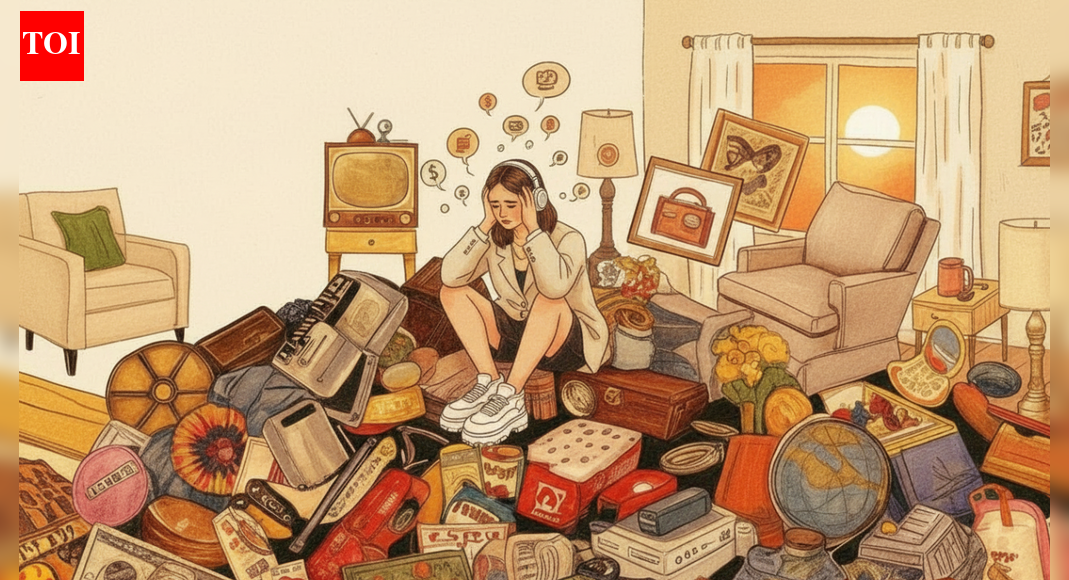
Step into a cafe, stroll across a college campus, wander through a mall corridor, or glance around an office floor — and one thing hits you: a uniform look. Clean-aesthetic tees, minimalist sneakers, matching water bottles, tote bags, neutral-toned gym outfits, skincare pouches, desk essentials — it’s as if everyone’s pulled straight from the same global wardrobe.But this sameness isn’t just fashion fatigue or convenience. It reflects a bigger shift — one where individuality is quietly fading, replaced by trend-driven conformity. Buying is no longer about what we need or genuinely like; it’s about belonging, insecurity, and feeding the endless scroll.Digital culture observer and content creator Oorjita Shahi, who commands a following of around 37k on social media and goes by @oorja.walking, has been closely tracking these patterns:“We’re in a loop where people are not buying for themselves; they’re buying for the version of themselves they think others want to see. That insecurity is exactly what brands tap into,” she says.
What is overconsumption?
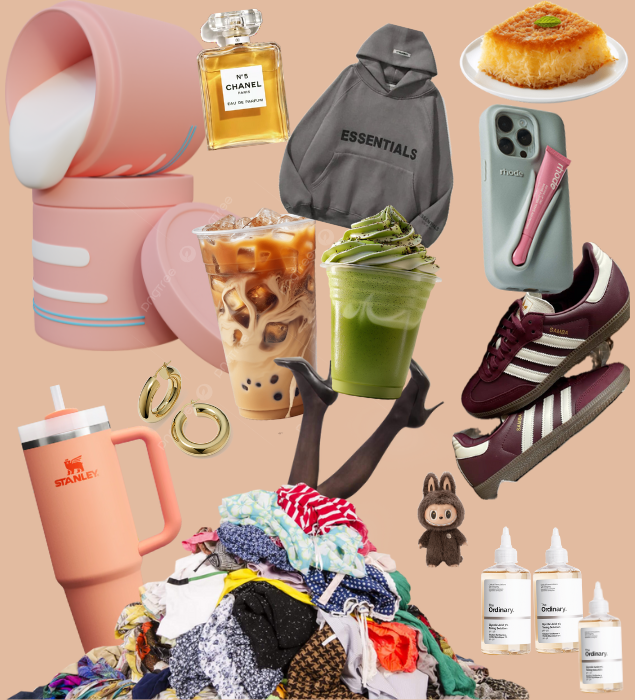
Overconsumption isn’t just buying a lot. It’s buying more than you need, more than you use, and often more than you can responsibly discard. It means accumulating “stuff” — clothes, gadgets, accessories — at a pace far higher than your lifestyle actually requires.Often, these items aren’t bought for necessity. They’re aesthetic props: water bottles that photograph well, outfits that match a “feed vibe,” skincare kits that promise discipline, notebooks and planners that signal productivity, décor that “completes” a room.The consequences are real. The fashion and consumer goods industry is responsible for 8–10% of global greenhouse gas emissions. Synthetic textiles release microplastics in washing cycles, and many clothes find themselves in landfills within a year. (Scientific American)Buying more than we need isn’t just personal indulgence — it’s a burden on resources, a generator of waste, and a contributor to climate stress.
How brands and creators flatten taste
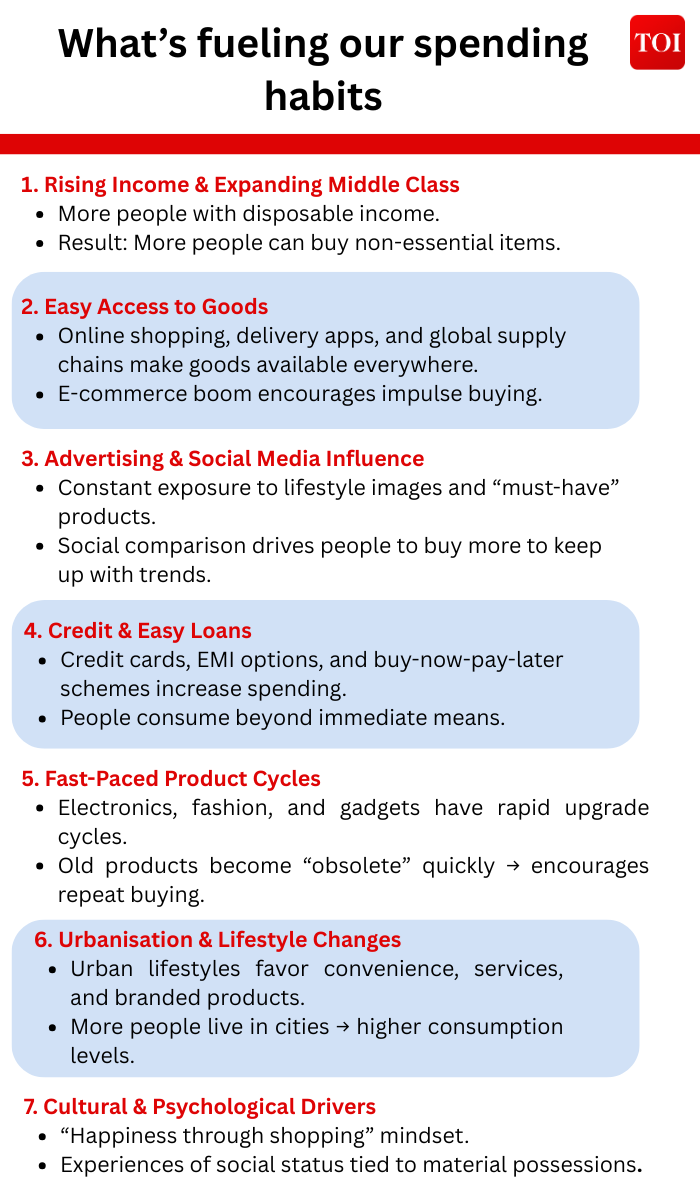
What once was local — shaped by culture, climate, and personal history — is now global. Brands and social media creators aren’t selling just products anymore; they’re selling a ready-made aesthetic.With global supply chains, social media marketing, product drops, and algorithm-driven trends, a look created in one place can spread everywhere in days. Platforms reward sameness: neutral clothes, minimalist rooms, curated routines. Follow the formula and you get visibility — and not just online. These aesthetics become social expectations in real life too, shaping how people dress, decorate, and present themselves.Consumers, then, are rarely buying a product — they’re buying a template for identity.
Insecurity: the quiet nudge
The engine behind all this is insecurity. Marketing no longer sells utility; it sells reassurance. Posts, Stories, and videos on Instagram or TikTok cultivate longing: the feeling that maybe, just maybe, you’re not quite enough without this bag, this sneaker, this serum.Psychologists describe this phenomenon as Social Comparison Theory: People constantly evaluate themselves against others, measuring their lives, looks, and possessions. Social media feeds amplify this comparison, nudging users toward purchases that promise belonging, status, or social approval.Research confirms it. A 2021 study, Instagram Influencer Marketing: Perceived Social Media Marketing Activities and Online Impulse Buying, found that when influencers are attractive and trustworthy, users are significantly more likely to make impulse purchases. (First Monday)“If they have it and look good, maybe I should too,” Oorjita explains. That subtle nudge, often subconscious, becomes a cycle of overconsumption.Trends move fast because satisfaction is the enemy of the algorithm; insecurity is its most reliable employee.
Fomo : engine behind overconsumption
Fear of missing out — Fomo— is more than a buzzword; it has become a behavioural driver for many online shoppers. Social media platforms, armed with data on what catches your eye, deliberately create a sense of urgency. Limited-edition drops, countdown timers, trending hashtags, and influencer endorsements combine to make users feel that if they don’t act immediately, they’ll be left behind socially.The effect goes beyond a single purchase. Each “must-have” item comes with the invisible expectation of a next upgrade, a newer release, or a seasonal refresh. The fleeting satisfaction of acquiring a trending item is almost always replaced by the pressure to chase the next one. In this ecosystem, buying becomes less about fulfillment and more about keeping pace with the digital social hierarchy.
Overpriced props: When utility takes a backseat
Many of the products trending online are designed for perception rather than function. They promise visual appeal, social validation, or a lifestyle narrative, rather than practical value. A pastel water bottle may cost multiple times a standard reusable bottle, not because it performs better, but because it signals belonging to a curated aesthetic.Similarly, notebooks, planners, hoodies, and even niche skincare kits often survive solely on “vibe” — the sense that they complete a personal or social narrative. Once their novelty fades, these items frequently languish unused, join the pile of impulse buys, or end up discarded, contributing to environmental waste. Overconsumption, in this way, turns curated identity into disposable consumption, and the cost is measured not just in money, but in environmental and psychological tolls.
Social media’s role in impulse buying
Research backs this pattern. Instagram users exposed to trustworthy and relatable influencers are more likely to impulse-buy. (First Monday, 2021)Another study, The Influence of Instagram Influencers on Impulse Buying Fashion Products (Journal UNNES), found that trust, similarity, and familiarity of influencers drive spontaneous purchases.Trend-driven fashion also carries an environmental cost, contributing roughly 8–10% of global greenhouse gas emissions. (Scientific American)
Why this is a social issue
Overconsumption isn’t just personal — it’s societal, with consequences that ripple far beyond individual choices.
- Environmental burden: Resource depletion, emissions from production and shipping, water usage, and eventual waste affect everyone, far beyond the buyer. Landfills grow, oceans fill with microplastics from synthetic textiles, and the carbon footprint of “ultrafast” fashion accelerates climate stress.
Inequality & exclusion : If you can’t keep up with constant trends, you risk being “left out.” This isn’t just a social media feeling — it affects real-world interactions, from workplaces to schools. The pressure to maintain an appearance of being “up-to-date” reinforces economic and social disparities.- Psychological pressure: Social comparison, FOMO, and influencer-driven ideals turn identity into a performance. People start measuring self-worth against feeds rather than personal values.
- Cultural flattening: When everyone copies the same aesthetic, individuality disappears. Local styles, cultural nuances, and personal experimentation are replaced with homogenized, algorithm-approved visuals. The result is a monoculture of taste, where creativity and cultural diversity are suppressed.
- Normalisation of waste: Impulse buying and disposability become habits. Owning fewer, better-curated items is no longer aspirational; chasing constant novelty is normalised.
Reclaiming individuality in a copy-paste world
Solutions begin small, but they matter. Resisting the scroll starts with pausing before buying, reflecting on whether an item is genuinely for you or just for your feed. Choosing with intention, prioritizing durability and personal style, buying fewer items but wearing them longer, and repairing instead of replacing are all ways to regain control.Supporting transparent creators who disclose sponsorships, choosing sustainable brands, reusing, recycling, and ultimately redefining identity beyond consumption all reinforce individuality.“Personality is made by what you learn through living, not scrolling,” Oorjita reminds us.
High cost of looking the same
In a world of mass-produced aesthetics and viral feeds, individuality is quietly disappearing — replaced by uniformity, impulse, waste, and dissatisfaction. Influencer culture, algorithmic virality, and brand-driven marketing don’t just sell products — they sell versions of identity, belonging, and acceptance, and belonging’s currency is constant consumption.But overconsumption isn’t just personal: it burdens the planet, erases diversity, and normalizes waste as lifestyle. Real resistance means choosing slowly, buying intentionally, and reclaiming identity from the scroll.Before your next purchase, ask: Is this for me — or for my feed? Because individuality was never meant to be mass-produced, and real style was never meant to be just trending.


