
A backyard chicken owner thought hens were eating the missing eggs, but later found five chicken snakes curled up inside the nest boxes

A backyard chicken owner who spent days suspecting their hens were eating their own missing eggs discovered the true culprits curled up in the coop: at least five chicken snakes nestled inside the nesting boxes.The flock owner shared the discovery online after empty nest boxes left them searching for answers. The incident is a proof of a common challenge faced by backyard poultry keepers, where warm coops, stored feed, and easy food sources regularly draw in wild reptiles.“I hadn’t been getting eggs for several days, I thought my chickens were eating them,” the backyard chicken owner wrote on Reddit. “I went outside to check one day and I saw 5 or more chicken snakes in my nest boxes.”Chemical deterrents provided only temporary relief for the poultry keeper.“We bought some snake repellent powder and it worked for a couple weeks, but here over the last few days I have not seen any eggs again! How do I get rid of these snakes?” they asked the community.Fellow chicken owners offered a range of practical home remedies and structural fixes. One Redditor said, “We had a friend suggest the vanilla scented tree air fresheners. We hung a couple in the coop and so far so good.” Others suggested safely trapping and relocating the reptiles, getting a barn cat or dog to ward them off, or advised to “put nest boxes higher up.”
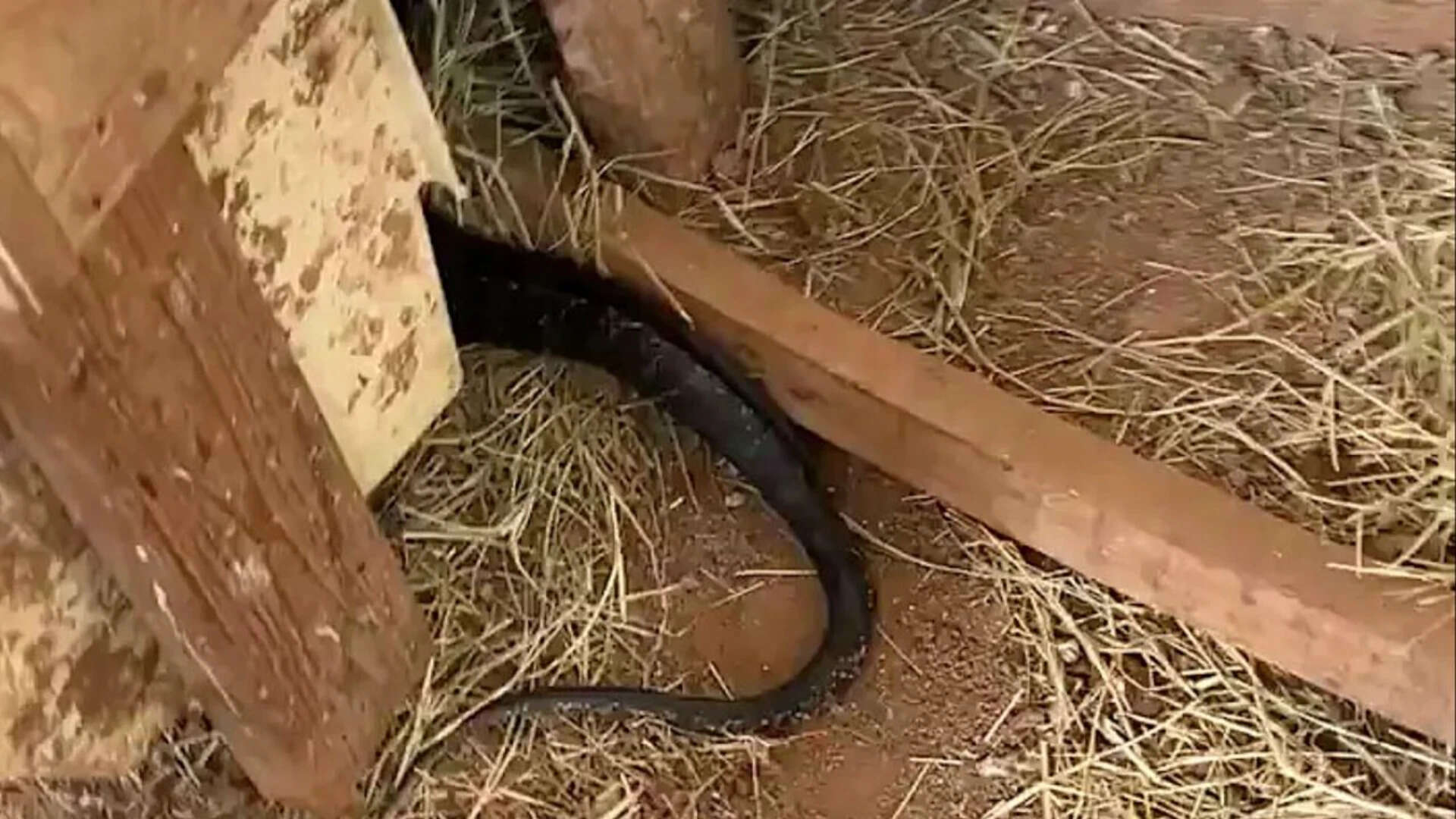
Photo Credit: Reddit
Why coops attract snakes
Sheltered nest boxes filled with fresh eggs create an ideal feeding station for local wildlife. Human activities, such as building coops, storing grain, and providing covered nesting spaces, unintentionally attract both rodents and the snakes that hunt them.While missing eggs represent a financial loss for households relying on backyard flocks to offset grocery bills, wildlife experts note that snakes play a vital role in local ecosystems. They keep rodent populations under control, preventing pest damage to property and reducing disease transmission.Because repellents rarely work long term once reptiles locate a steady food supply, experts recommend humane prevention methods over chemical treatments.
Long-term solutions for backyard keepers
Effective coop defence focuses on removing access and food incentives:
- Gather eggs early: Collecting eggs multiple times a day, particularly early in the morning, removes the main reward for visiting snakes.
- Secure feed: Storing chicken feed in airtight containers and sweeping up spilled grain discourages mice and rats, eliminating the primary prey that attracts snakes in the first place.
- Block openings: Inspecting coops for gaps and sealing walls or floors with small-gauge hardware cloth prevents entry.
- Adjust placement: Raising nest boxes off the ground and clearing heavy brush or debris around the perimeter removes hiding spots.
For persistent infestations or large numbers of reptiles, property owners are advised to consult local wildlife agencies or licensed humane removal specialists to manage the situation safely.
Understanding the ‘chicken snake’
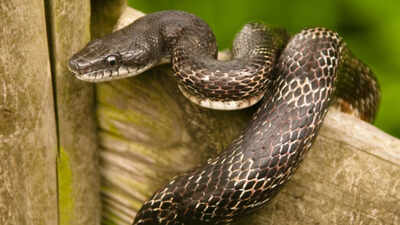
The term “chicken snake” is actually a common nickname for rat snakes, a family of large, non-venomous reptiles native to many parts of North America. Because they are excellent climbers with flexible jaws, they often scale coop walls to hunt for wild bird eggs, small chicks, and mice. While seeing a five-foot snake inside a nesting box can be alarming, these reptiles possess no dangerous venom and are generally timid around humans, preferring to freeze or slither away when spotted.Rather than harming these animals, wildlife specialists suggest viewing rat snakes as helpful, natural pest controllers. They consume large amounts of rodents that would otherwise chew farm wiring, steal animal feed, and spread diseases. By making simple coop upgrades, like placing sturdy metal mesh over gaps and storing feed in sealed metal bins, chicken owners can protect their eggs while allowing harmless snakes to hunt pests elsewhere on the farm.


