
Representational photo For a state that serves as the “breadbasket” of India, Uttar Pradesh (UP) is undergoing a quiet yet seismic shift in its agricultural landscape. While the state has always been a major producer, recent data reveals a transition from traditional farming to a high-productivity, technology-driven powerhouse. This metamorphosis is not merely about higher yields; it is about a fundamental restructuring of the rural economy.The productivity leap: From stagnation to surgeThe most defining feature of this era is the exponential growth in productivity. Between 2001-02 and 2016-17, the average productivity of major crops grew by a modest 8.7%. In stark contrast, the period from 2016-17 to 2024-25 witnessed a remarkable 42.8% increase.This surge is best exemplified by the state’s dominance in staple grains:Wheat: UP is now the leading producer, contributing 35.3% of India’s total wheat output with a record 414.39 lakh metric tonnes in 2024-25.Rice: The state contributes 14.7% to the national pool, producing 219.2 lakh metric tonnes.These figures are a direct result of “meaningful and effective efforts” by the government, including the introduction of high-quality hybrid seeds, improved irrigation management, and organic farming initiatives.Israel Iran WarUS-Israel-Iran War Live Updates: ‘Indian navy’s guest struck without warning’: Iran slams US after torpedo sinks warship IRIS DenaIsrael-Iran war: What US 30-day waiver on Russian oil means for India – explainedThe weapon that killed Khamenei came from ‘space’: How Israel’s Blue Sparrow missile struck IranDiversification: The rise of cash crops and horticultureA resilient agricultural economy requires more than just grains. The state’s focus on crop diversification is yielding historic results in pulses, oilseeds, and horticulture:Pulses and oilseeds: Productivity in these sectors grew by 46.0% and 46.6% respectively over the last eight years. This is a massive leap compared to the near-stagnation seen in the previous 16 years.Horticulture: UP has emerged as a leader in fruits and vegetables. It now produces 40.7% of India’s potatoes and 18.8% of its bananas. The integration of modern techniques has led to a 28.4% increase in overall horticultural productivity.Sugarcane: The sweetener of rural prosperitySugarcane remains the backbone of UP’s commercial agriculture. Contributing 54.5% to national production, the state produced 2453.5 lakh metric tonnes in 2024-25. Beyond production, the focus has shifted to the timely payment of farmers. Since 2017, a staggering Rs 2.86+ lakh crore has been paid to sugarcane farmers—exceeding the total payments made between 2000 and 2017 by roughly Rs 72,000 crore. This financial liquidity is critical for sustaining the rural demand cycle.Institutional support and risk mitigationThe “UP model” of agriculture is built on several pillars of institutional support:Market integration: The empowerment of FPOs (Farmer producer organisations) and the adoption of e-NAM (National Agriculture Market) have reduced the middleman’s grip.Risk management: Expanded crop insurance schemes (Fasal Bima Yojana) provide a safety net against climate volatility.Infrastructure: Improvements in online mandis and timely MSP payments have ensured that farmers get a fair share of the national output.The verdictUttar Pradesh is successfully navigating the transition from subsistence farming to commercial agriculture. By leveraging modern technology, superior seed varieties, and robust market linkages, the state has significantly increased its share in national production. However, the journey toward a $1 trillion economy will require these productivity gains to be matched by even stronger food processing industries and global export linkages. For now, the “Historic results” in UP’s fields are a testament to what is possible when policy meets precision.End of ArticleFollow Us On Social MediaVideos’Old Global Order Cannot Be Frozen Forever’: Jaishankar Explains Why Era Of Global Hegemony Is Over’Won’t Make Same Mistakes With India’: Rubio’s Deputy Landau Sparks Debate On US Strategy On Ties’Oceans Back As Centre Of…’: Rajnath Singh Flags New Maritime Power Race, Flags Oil Supply ConcernIndia Knows ‘Who Does What’ In The Indian Ocean, So Why Is It Silent On IRIS Dena Sinking? ExplainedIAF Loses Two More Pilots To Sukhoi 30MKI Fighter Jet Crash In Assam During Training MissionUS Allows India To Buy Russian Oil As Allies Offer Gas Supplies Amid Iran War And Hormuz TensionsIndia Condoles Khameini’s Death, Jaishankar Speaks To Iranian FM; ‘Iran War God’s Plan’: US MilitaryNitish Kumar Files RS Nomination, Vows Support to New State GovernmentCV Ananda Bose Resigns As Bengal Governor, TN Guv RN Ravi To Replace Him; Mamata Attacks Amit Shah’Undeniable’: US Deputy Secretary Landau Hails India’s Rise As Key To The 21st Century123PhotostoriesZodiac Signs Most Likely to Get a Second Chance in LoveA touch of Ladakh in Delhi: Rs 3-crore foot overbridge to rise near Monastery Market6 cars famous for their timeless designBMC plans Mumbai’s first public urban forest on 3.2-acre plot in Andheri’s MarolNosy Nancy to Dictator Donna: The ultimate guide to handling your mother-in-lawJaggery adulterated with washing powder or baking soda: FSSAI’s simple home tests to help protect from side effects5 timeless love poems by late Harivansh Rai Bachchan that capture the beauty of true loveSara Tendulkar’s favorite protein- and fiber-rich meal choices, which are very easy to add to your routineShark Tank India’s Ashneer Grover shares a glimpse of his relaxing vacation with his wife Madhuri in Jaipur; take a lookTop 7 tallest buildings in Chicago and what makes them unique123Hot PicksChina Military BudgetIran Mobile Missile LauncersMiddle East CrisisNitish KumarIncome Tax CalculatorPublic holidays March 2026Bank Holidays MarchTop TrendingAP SSC Hall TicketsBreanna StewartFortnite v39 51 Update Release timeDak Prescotts ContractBengaluru Flight CancellationsNepal ElectionsMiddle East CrisisKarnataka BudgetNitish KumarRussia India Oil Deal

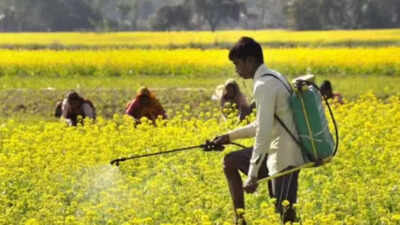
For a state that serves as the “breadbasket” of India, Uttar Pradesh (UP) is undergoing a quiet yet seismic shift in its agricultural landscape. While the state has always been a major producer, recent data reveals a transition from traditional farming to a high-productivity, technology-driven powerhouse. This metamorphosis is not merely about higher yields; it is about a fundamental restructuring of the rural economy.
The productivity leap: From stagnation to surge
The most defining feature of this era is the exponential growth in productivity. Between 2001-02 and 2016-17, the average productivity of major crops grew by a modest 8.7%. In stark contrast, the period from 2016-17 to 2024-25 witnessed a remarkable 42.8% increase.This surge is best exemplified by the state’s dominance in staple grains:
- Wheat: UP is now the leading producer, contributing 35.3% of India’s total wheat output with a record 414.39 lakh metric tonnes in 2024-25.
- Rice: The state contributes 14.7% to the national pool, producing 219.2 lakh metric tonnes.
These figures are a direct result of “meaningful and effective efforts” by the government, including the introduction of high-quality hybrid seeds, improved irrigation management, and organic farming initiatives.
Diversification: The rise of cash crops and horticulture
A resilient agricultural economy requires more than just grains. The state’s focus on crop diversification is yielding historic results in pulses, oilseeds, and horticulture:
- Pulses and oilseeds: Productivity in these sectors grew by 46.0% and 46.6% respectively over the last eight years. This is a massive leap compared to the near-stagnation seen in the previous 16 years.
- Horticulture: UP has emerged as a leader in fruits and vegetables. It now produces 40.7% of India’s potatoes and 18.8% of its bananas. The integration of modern techniques has led to a 28.4% increase in overall horticultural productivity.
Sugarcane: The sweetener of rural prosperity
Sugarcane remains the backbone of UP’s commercial agriculture. Contributing 54.5% to national production, the state produced 2453.5 lakh metric tonnes in 2024-25. Beyond production, the focus has shifted to the timely payment of farmers. Since 2017, a staggering Rs 2.86+ lakh crore has been paid to sugarcane farmers—exceeding the total payments made between 2000 and 2017 by roughly Rs 72,000 crore. This financial liquidity is critical for sustaining the rural demand cycle.
Institutional support and risk mitigation
The “UP model” of agriculture is built on several pillars of institutional support:
- Market integration: The empowerment of FPOs (Farmer producer organisations) and the adoption of e-NAM (National Agriculture Market) have reduced the middleman’s grip.
- Risk management: Expanded crop insurance schemes (Fasal Bima Yojana) provide a safety net against climate volatility.
- Infrastructure: Improvements in online mandis and timely MSP payments have ensured that farmers get a fair share of the national output.
The verdict
Uttar Pradesh is successfully navigating the transition from subsistence farming to commercial agriculture. By leveraging modern technology, superior seed varieties, and robust market linkages, the state has significantly increased its share in national production. However, the journey toward a $1 trillion economy will require these productivity gains to be matched by even stronger food processing industries and global export linkages. For now, the “Historic results” in UP’s fields are a testament to what is possible when policy meets precision.


