
As much of the Western world recoils from Donald Trump’s return to the White House, India’s reaction looks strikingly different. The Munich Security Report 2026 presents Indian public opinion on US President Donald Trump as distinct from that of most Western democracies, marked by relatively higher approval of his policies, rising concern about US economic coercion, and declining belief in the necessity of US global leadership.Around 38% of Indian respondents agreed that Trump’s policies were good for India, and approximately 36% agreed they were good for the world. These levels of agreement are significantly higher than in Canada, France, Germany, and Japan, where agreement typically remains in the low teens What the report saysAccording to the MSI, India ranks among the more favorable countries when respondents were asked whether “Donald Trump’s policies are good for my country” and “good for the world.”The report noted that Indian respondents were less critical of Trump than Western public and more likely to express conditional or partial approval of his approach, even when uncertainty remains about its global impact.While Indian views of Trump’s geopolitical impact were comparatively less negative, the report recorded greater concern regarding his economic policies. Trump administration imposed 50% tariffs on India. With the recent India-US trade deal, the additional 25% tariffs was brought down to 18%.The report stated that the US risk score for India increased by 18 points between 2024 and 2025, the largest increase recorded among all risks in the Indian profile. Despite this rise, the US did not rank among India’s top perceived threats; China remained a higher concern, while Russia was viewed as comparatively low risk.The findings are based on the Munich Security Index (MSI), which surveys public attitudes across G7 and major Global South countries.Era of ‘wrecking-ball politics’The report framed Trump as a central figure in what it called an era of “wrecking-ball politics,” characterized by challenges to multilateral institutions and the post-1945 liberal order. In the Indian case, the report highlighted long-standing skepticism toward the Western “rules-based order,” which policymakers have criticized for selective application and double standards.The report cited external affairs minister S Jaishankar’s assessment that the existing order has often appeared “anarchic and permeated by double standards” from a Global South perspective. Within this context, the report suggested that Trump’s challenge to established institutions was not uniformly perceived as negative in India.About the AuthorTOI News DeskThe TOI News Desk comprises a dedicated and tireless team of journalists who operate around the clock to deliver the most current and comprehensive news and updates to the readers of The Times of India worldwide. With an unwavering commitment to excellence in journalism, our team is at the forefront of gathering, verifying, and presenting breaking news, in-depth analysis, and insightful reports on a wide range of topics. The TOI News Desk is your trusted source for staying informed and connected to the ever-evolving global landscape, ensuring that our readers are equipped with the latest developments that matter most.”Read MoreEnd of ArticleFollow Us On Social MediaVideosAfter Trump’s Zero Tariff Claim, White House Factsheet Reveals What India-US Trade Deal Really SaysOpposition Doubts Hindi Ability, Indian-Origin MP Ramkissoon’s Reply Leaves Guyana House Silent‘A Pre-Committed Purchase Agreement’: Shashi Tharoor Slams Modi Govt Over India-US Trade DealBJP MP’s ‘Mini Pakistan’ Remark On Bengal Land Sparks Govt-Oppn Clash In Rajya Sabha’From Nice To Necessary’: Greek Defence Minister Dendias Says India Now Central To Europe’s StrategyExplained: Why the 4.5-gen Rafale remains central to India’s air defence strategy’Trying To Ban India…’: Russian FM Lavrov Slams US Oil Curbs As India Refuses To Bend On Energy’Either Naravane Or Penguin Is Lying’: Rahul Gandhi Reacts To Publisher’s Statement On MemoirKiren Rijiju Slams Congress, Shares Video Of Women MPs At PM Modi’s Lok Sabha SeatUS Cuts Bangladesh Tariffs To 19% Days After India Deal, Redrawing Trade Priorities In South Asia123PhotostoriesWhat is Udan Yatri Cafe, its motive and Raghav Chadha’s connection with itFrom hours to minutes: Delhi-NCR’s plans air taxi corridor could transform commutesChennai metro phase-2: City set for major travel upgrade by 20277 tallest residential buildings in the world; where homes touch the clouds8 non-veg dishes one can make in an air fryer for a house party and howIndia ranks third globally in cancer cases, and over 50% of the cases could be prevented: Doctor reveals the lifestyle changes that matterWhen to say “sorry” (and when not to): Teaching kids the right way to apologize6 most powerful Lord Shani temples in India and what they are known forWhy Rajpal Yadav went to Tihar jail: Inside the Rs 5 crore loan case that landed the actor behind bars7 things you should avoid after sunset according to traditional wisdom123Hot PicksUAE Public School RegistrationGold Silver PricesParliament Budget SessionGCC Unified Visa 2026Income Tax CalculatorPublic holidays February 2026Bank Holidays februaryTop TrendingIndia Upcoming Matches TimingsRussian Oil ImportsNitish RajputCBSE Board ExamsSambhaji PatilCandace OwensLawrence Bishnoi GangNBA Trade RumorsJutta LeerdamKim Kardashian and Lewis Hamilton Net Worth
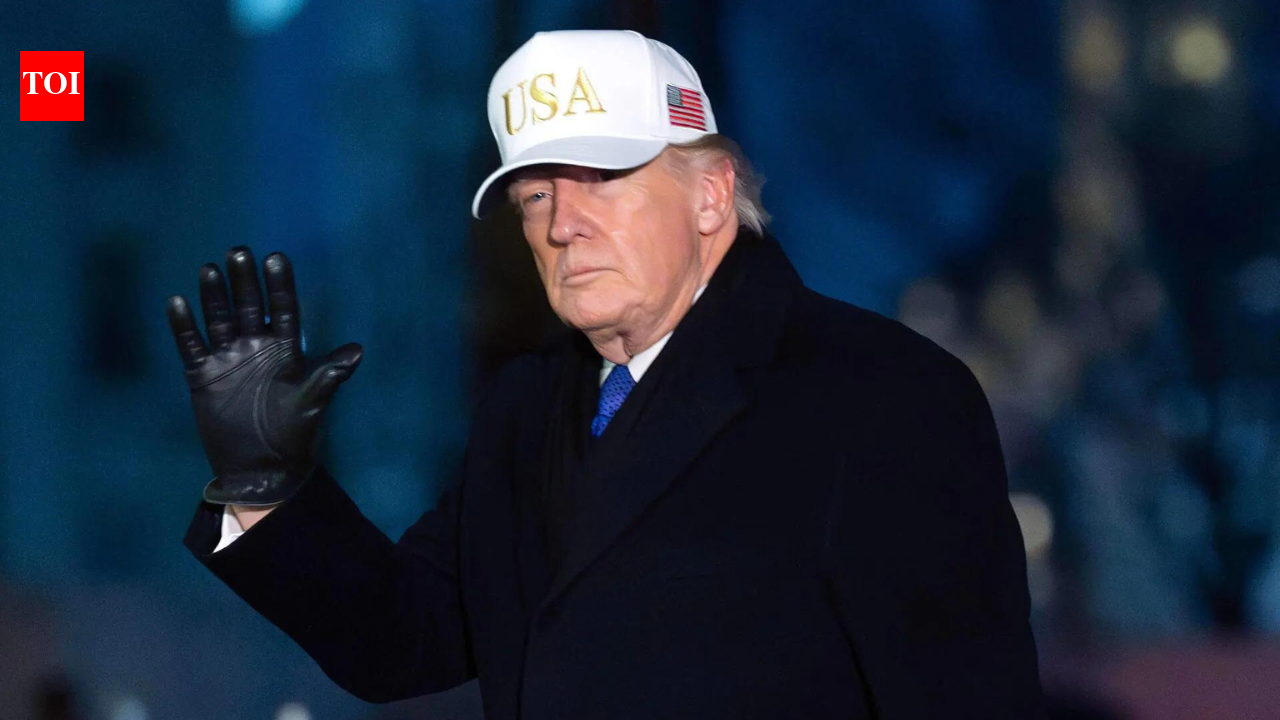
As much of the Western world recoils from Donald Trump’s return to the White House, India’s reaction looks strikingly different. The Munich Security Report 2026 presents Indian public opinion on US President Donald Trump as distinct from that of most Western democracies, marked by relatively higher approval of his policies, rising concern about US economic coercion, and declining belief in the necessity of US global leadership.Around 38% of Indian respondents agreed that Trump’s policies were good for India, and approximately 36% agreed they were good for the world. These levels of agreement are significantly higher than in Canada, France, Germany, and Japan, where agreement typically remains in the low teens
What the report says
According to the MSI, India ranks among the more favorable countries when respondents were asked whether “Donald Trump’s policies are good for my country” and “good for the world.”The report noted that Indian respondents were less critical of Trump than Western public and more likely to express conditional or partial approval of his approach, even when uncertainty remains about its global impact.While Indian views of Trump’s geopolitical impact were comparatively less negative, the report recorded greater concern regarding his economic policies. Trump administration imposed 50% tariffs on India. With the recent India-US trade deal, the additional 25% tariffs was brought down to 18%.The report stated that the US risk score for India increased by 18 points between 2024 and 2025, the largest increase recorded among all risks in the Indian profile. Despite this rise, the US did not rank among India’s top perceived threats; China remained a higher concern, while Russia was viewed as comparatively low risk.The findings are based on the Munich Security Index (MSI), which surveys public attitudes across G7 and major Global South countries.
Era of ‘wrecking-ball politics’
The report framed Trump as a central figure in what it called an era of “wrecking-ball politics,” characterized by challenges to multilateral institutions and the post-1945 liberal order. In the Indian case, the report highlighted long-standing skepticism toward the Western “rules-based order,” which policymakers have criticized for selective application and double standards.The report cited external affairs minister S Jaishankar’s assessment that the existing order has often appeared “anarchic and permeated by double standards” from a Global South perspective. Within this context, the report suggested that Trump’s challenge to established institutions was not uniformly perceived as negative in India.


