
The 2026 regulations had already been kept in abeyance by the Supreme Court on January 29. NEW DELHI: The Centre on Thursday informed the Supreme Court that the 2026 University Grants Commission (UGC) equity regulations, which seek to address caste-based discrimination in higher education institutions, are currently being reconsidered.The development came during a hearing before a bench comprising Chief Justice Surya Kant and Justices Joymalya Bagchi and V Mohana. The court was hearing several petitions challenging the validity of the regulations.”This is the UGC regulation matter. It is under reconsideration,” Solicitor General Tushar Mehta told the bench.The Supreme Court subsequently directed the UGC to submit a comprehensive counter affidavit within four weeks. The petitioners will have two weeks after that to file their rejoinders, if any.SC had earlier put regulations on holdThe 2026 regulations had already been kept in abeyance by the top court on January 29. At the time, the court said the provisions were “prima facie vague” and could have “very sweeping consequences”, warning that they could potentially divide society and have a “dangerous impact”.The court had also asked the Centre and the UGC to respond to three petitions challenging the new framework.”In exercise of our powers under Article 142 of the Constitution, we further direct that the University Grants Commission (Promotion of Equity in Higher Education Institutions) Regulations, 2012, will continue to operate and remain in force till further orders,” it had said.The regulations had faced opposition in several places, with student groups and other organisations calling for their immediate withdrawal.Court questioned provisions on caste discriminationWhile examining the regulations, the Supreme Court raised questions about how some of their provisions were framed.One concern related to Regulation 3(1)(c), which separately defines “caste-based discrimination”. The court questioned why a separate definition was necessary when Regulation 3(1)(e) already contains a broader definition of “discrimination”.Join conversationView All Comments →Share your thoughts in the commentsInsightfulAgreeDisagreeSkepticalConcerningPromisingWorth ReadingBig DevelopmentPost CommentBe respectful · TOI community guidelinesThe bench also questioned the exclusion of ragging from the regulations, noting that it remains a common form of harassment in educational institutions.The court had further observed that the wording of the 2026 regulations appeared “prima facie vague” and “capable of misuse”.Advocate Vishnu Shankar Jain, representing one of the petitioners, had challenged Regulation 3(1)(c). The provision defines caste-based discrimination as discrimination “only on the basis of caste or tribe” against members of Scheduled Castes, Scheduled Tribes and Other Backward Classes.Get the latest India News and Live updates. Download the TOI app.About the AuthorRajeev SinghRajeev Singh is a Digital Content Producer with The Times of India. He covers politics, policies, defence, and conflicts for readers curious to know their implications. He loves digging into legal maxims and political trivia. On off days, when not turning pages or learning русский, he lives in the reverie of “what ifs” and “how abouts.”Read MoreEnd of ArticleFollow Us On Social MediaVideosKangana Vs Ramdev: BJP MP Fires Back After Yoga Guru Questions Her Past And Controversial Remarks’Not Mahatma Gandhi’s Congress’: FULL Vande Mataram Rejected At INC Events, BJP Doubts ‘Loyalty’US Body Opposes Mohan Bhagwat’s Visit, Seeks Sanctions on RSS Members Over Religious Freedom ClaimsDJB Tender Scam Row: AAP Questions Why Raghav Chadha Was Never Questioned By InvestigatorsMaharashtra’s Power Shift: Fadnavis Can Now Reverse Ministerial Decisions In Public InterestIndia Removes Pakistan Mission Barricades After Islamabad Move, Tensions Rise Over Kashmir RemarksModi Govt’s Gen-Z Outreach: One Union Minister To Visit One University Daily‘Fuel For Free’: Chandigarh’s ‘Petrol Langar’ Turns Chaotic, Leaves People Fuming‘No Respect For Court’: Arrest Warrant Against Mahua Moitra In Hate Speech CaseUS Envoy Calls J&K ‘Important Part Of India’ During 1st Kashmir Visit After Article 370 Abrogation123PhotostoriesWhy does reheated rice sometimes become hard and dry? 4 ways to bring it back to lifeWhy are gold borders vital in Indian sarees?Exercising daily for a fitter you? Hidden heart problems that can surface when endurance exercise pushes you too hardIndoor plant leaves turning brown despite enough sunlight? Hidden problems could be the real causePooja Hegde’s New York-style streak just got dangerous in this shimmery corset saree10 foods mentioned in manga that you can actually eat5 natural ways to keep mosquitoes away from your homeGenuine care or love bombing? 7 signs to spot the red flags early in a relationshipWhich type of milk has the most protein? 7 milk varieties comparedToo much salt in curry or sabzi? 9 easy ways to fix it and the science behind them123Hot PicksSajjan KumarRhiya AhirGTU results 2026Pennsylvania plane crashOil export IndiaFaceless assessmentRSS sanctionZepto internshipPakistan High CommissionTop TrendingHyderabad MurderPakistan High CommissionTwisha SharmaKarnataka MurderKerala MurderAbhijeet DipkeSukesh ChandrashekharRahul GandhiBengaluru RapidoBen Gvir

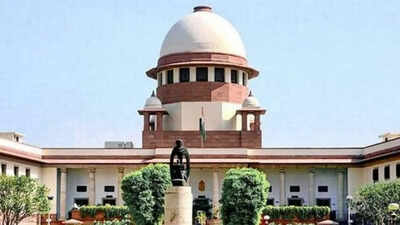
NEW DELHI: The Centre on Thursday informed the Supreme Court that the 2026 University Grants Commission (UGC) equity regulations, which seek to address caste-based discrimination in higher education institutions, are currently being reconsidered.The development came during a hearing before a bench comprising Chief Justice Surya Kant and Justices Joymalya Bagchi and V Mohana. The court was hearing several petitions challenging the validity of the regulations.“This is the UGC regulation matter. It is under reconsideration,” Solicitor General Tushar Mehta told the bench.The Supreme Court subsequently directed the UGC to submit a comprehensive counter affidavit within four weeks. The petitioners will have two weeks after that to file their rejoinders, if any.
SC had earlier put regulations on hold
The 2026 regulations had already been kept in abeyance by the top court on January 29. At the time, the court said the provisions were “prima facie vague” and could have “very sweeping consequences”, warning that they could potentially divide society and have a “dangerous impact”.The court had also asked the Centre and the UGC to respond to three petitions challenging the new framework.“In exercise of our powers under Article 142 of the Constitution, we further direct that the University Grants Commission (Promotion of Equity in Higher Education Institutions) Regulations, 2012, will continue to operate and remain in force till further orders,” it had said.The regulations had faced opposition in several places, with student groups and other organisations calling for their immediate withdrawal.
Court questioned provisions on caste discrimination
While examining the regulations, the Supreme Court raised questions about how some of their provisions were framed.One concern related to Regulation 3(1)(c), which separately defines “caste-based discrimination”. The court questioned why a separate definition was necessary when Regulation 3(1)(e) already contains a broader definition of “discrimination”.
Share your thoughts in the comments
Be respectful · TOI community guidelines
The bench also questioned the exclusion of ragging from the regulations, noting that it remains a common form of harassment in educational institutions.The court had further observed that the wording of the 2026 regulations appeared “prima facie vague” and “capable of misuse”.Advocate Vishnu Shankar Jain, representing one of the petitioners, had challenged Regulation 3(1)(c). The provision defines caste-based discrimination as discrimination “only on the basis of caste or tribe” against members of Scheduled Castes, Scheduled Tribes and Other Backward Classes.


