
SC on expansive definition of ‘industry’ NEW DELHI: The Supreme Court on Thursday held that the broad meaning of “industry” laid down in its 1978 Bangalore Water Supply judgment is the “correct interpretation” and would apply to establishments where an employer-employee relationship exists.A nine-judge bench headed by Chief Justice Surya Kant, in a 6:3 majority judgment, observed that the expansive interpretation of “industry” under the Industrial Disputes Act, 1947, was necessary in the post-Independence decades to protect workers from arbitrary retrenchment.Justice Joymalya Bagchi refused to exempt temples and charitable organisations, which operate on donations, from the expansive meaning of industry. He stressed that the definition would apply if employee-employer relationship exists in a establishment, irrespective of its spiritual or charitable objective.The bench also refused to disturb the “Triple Test” laid down in the Supreme Court’s 1978 judgment to determine what amounts to an “industry” under Section 2(j) of the Industrial Disputes Act, 1947.Join conversationView All Comments →Share your thoughts in the commentsInsightfulAgreeDisagreeSkepticalConcerningPromisingWorth ReadingBig DevelopmentPost CommentBe respectful · TOI community guidelines”The Triple Test has stood the test of time. All pending disputes under the 1947 Industrial Disputes Act will continue to be decided on the basis of the Bangalore Water Supply judgment,” it said.”For future disputes, the new Industrial Relations Code, 2020 will apply. The new Code must be interpreted on its own text and context. The Bangalore Water Supply judgment will not govern its interpretation,” it added.On February 21, 1978, a seven-judge Supreme Court bench delivered a verdict on the definition of the term “industry” while deciding the plea of Bangalore Water Supply and Sewerage Board and expanded the definition which brought millions of employees in hospitals, educational institutions, clubs and government welfare departments under the protection of the now-repealed Industrial Disputes Act, 1947.Get the latest India News and Live updates. Download the TOI app.About the AuthorKaran ManralKaran Manral is a journalist at the Times of India. He covers politics, social issues, and international affairs, exploring stories that affect people’s everyday lives. He also writes explainers to make these stories easier for readers to follow.Read MoreEnd of ArticleFollow Us On Social MediaVideosDJB Tender Scam Row: AAP Questions Why Raghav Chadha Was Never Questioned By InvestigatorsMaharashtra’s Power Shift: Fadnavis Can Now Reverse Ministerial Decisions In Public InterestIndia Removes Pakistan Mission Barricades After Islamabad Move, Tensions Rise Over Kashmir RemarksModi Govt’s Gen-Z Outreach: One Union Minister To Visit One University Daily‘Fuel For Free’: Chandigarh’s ‘Petrol Langar’ Turns Chaotic, Leaves People Fuming‘No Respect For Court’: Arrest Warrant Against Mahua Moitra In Hate Speech CaseUS Envoy Calls J&K ‘Important Part Of India’ During 1st Kashmir Visit After Article 370 AbrogationPatna Erupts As Tejashwi Yadav Detained During RJD March Over Siwan AK-47 And Paper Leak RowPakistan’s 2 AM Panic Over Operation Sindoor Documentary: Pak Army Calls It ‘Tragedy & Comedy’Kolkata Hotel Fire Kills 9, Six Injured; 80 Rescued As Safety Norms Face Serious Questions123PhotostoriesGenuine care or love bombing? 7 signs to spot the red flags early in a relationshipWhich type of milk has the most protein? 7 milk varieties comparedToo much salt in curry or sabzi? 9 easy ways to fix it and the science behind them7 simple hacks to restore work-life balance while working from homeFrom protecting gadgets to sealing snacks: 5 smart ways to use aluminium foil while travellingLove quote of the day by Barack Obama: “If you were going to list the 100 most popular things that I have done as president, being married to Michelle Obama is No. 1″Bigg Boss Tamil 10: From Snehan’s father’s emotional entry to Maya’s family surprise; a look at some of the show’s most emotional momentsWhy breaking noodles before cooking is considered unlucky in ChinaPrince Harry and Meghan moving back to Britain? Inside the Sussexes’ journey from ‘Megxit’ to their reported U-turn to UK after ‘American Dream’If you think Marcello Muratori from ‘Emily in Paris’ is fictional, meet the real Italian luxury dynasty that inspired his character123Hot PicksBPSC TRE 4.0 notificationBank holidays this weekGTU results 2026Pennsylvania plane crashOil export IndiaFaceless assessmentRSS sanctionZepto internshipPakistan High CommissionTop TrendingHyderabad MurderPakistan High CommissionTwisha SharmaKarnataka MurderKerala MurderAbhijeet DipkeSukesh ChandrashekharRahul GandhiBengaluru RapidoBen Gvir

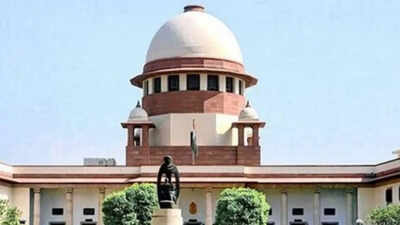
NEW DELHI: The Supreme Court on Thursday held that the broad meaning of “industry” laid down in its 1978 Bangalore Water Supply judgment is the “correct interpretation” and would apply to establishments where an employer-employee relationship exists.A nine-judge bench headed by Chief Justice Surya Kant, in a 6:3 majority judgment, observed that the expansive interpretation of “industry” under the Industrial Disputes Act, 1947, was necessary in the post-Independence decades to protect workers from arbitrary retrenchment.Justice Joymalya Bagchi refused to exempt temples and charitable organisations, which operate on donations, from the expansive meaning of industry. He stressed that the definition would apply if employee-employer relationship exists in a establishment, irrespective of its spiritual or charitable objective.The bench also refused to disturb the “Triple Test” laid down in the Supreme Court’s 1978 judgment to determine what amounts to an “industry” under Section 2(j) of the Industrial Disputes Act, 1947.
Share your thoughts in the comments
Be respectful · TOI community guidelines
“The Triple Test has stood the test of time. All pending disputes under the 1947 Industrial Disputes Act will continue to be decided on the basis of the Bangalore Water Supply judgment,” it said.“For future disputes, the new Industrial Relations Code, 2020 will apply. The new Code must be interpreted on its own text and context. The Bangalore Water Supply judgment will not govern its interpretation,” it added.On February 21, 1978, a seven-judge Supreme Court bench delivered a verdict on the definition of the term “industry” while deciding the plea of Bangalore Water Supply and Sewerage Board and expanded the definition which brought millions of employees in hospitals, educational institutions, clubs and government welfare departments under the protection of the now-repealed Industrial Disputes Act, 1947.


