
The Teesta begins in the Himalayas and flows through Sikkim and West Bengal before entering Bangladesh. Bangladesh does not want its relations with India to suffer because of the long-running dispute over sharing the waters of the Teesta river, country’s water resources minister Shahiduddin Chowdhury Anee said.Speaking at a seminar in Dhaka on Sunday, Anee said Bangladesh recognised India as a friendly neighbour but wanted New Delhi to consider Dhaka’s interests while pursuing its own.”The neighbouring country is a friendly country. They have to think that while they have their interests, we also have ours,” news agency PTI reported citing news portal tbsnews.net.”A friend should protect the interests of a friend. We never want our friendly relations with them to deteriorate,” he said.Bangladesh pushes for Teesta solutionThe comments come as Bangladesh’s new government steps up efforts to find a solution to the Teesta dispute. Dhaka is also pursuing a broader Teesta River Comprehensive Management and Restoration Project, with China offering support.The proposed project aims to address recurring floods, river erosion and shortages of water during the dry season in northern Bangladesh, where the river is crucial for farming and livelihoods.Anee said the government had held several seminars and consultations since the February election to gather expert views on the project. A detailed study based on those recommendations would help the government decide its next steps.The minister said people in five to six northern districts had high expectations from the project after years of suffering from erosion and other river-related problems.”If we fail to implement it, the damage and problems faced by families in those areas will continue to increase. We have to overcome this challenge anyhow,” he said.Anee said prime minister Tarique Rahman regularly discusses the project and that government departments are also reviewing its progress.Calling for an agreement on the river, he said, “Whether it is called the Teesta treaty or the Teesta master plan, or whatever is necessary to implement this project, we will move towards implementation.”Why the Teesta matters to India and BangladeshThe Teesta begins in the Himalayas and flows through Sikkim and West Bengal before entering Bangladesh. It eventually joins the Jamuna, which is the Bangladeshi name for the Brahmaputra.The river is particularly important to northern Bangladesh, where farmers depend on its water. It is also important to West Bengal for irrigation and power generation, with several districts in North Bengal relying on its waters.India and Bangladesh have been discussing the sharing of Teesta waters since the 1980s. An interim arrangement reached in 1983 allocated 39 per cent of the water to India and 36 per cent to Bangladesh, leaving 25 per cent unallocated.The two sides continued negotiations but failed to reach a long-term agreement. A draft interim deal was finalised in 2011, but it could not be signed after the West Bengal government opposed it over concerns about water availability in the state.China’s role adds a strategic angleBangladesh’s renewed push for the Teesta project has gained a wider strategic dimension because of China’s involvement.During his visit to Beijing in June, Rahman held talks with Chinese leaders and secured a commitment from Beijing to speed up a technical feasibility study for the proposed Teesta restoration project.For India, greater Chinese involvement in northern Bangladesh is sensitive because the region lies close to the Siliguri Corridor. The narrow corridor is India’s crucial land link between the northeastern states and the rest of the country.Join conversationView All Comments →Share your thoughts in the commentsInsightfulAgreeDisagreeSkepticalConcerningPromisingWorth ReadingBig DevelopmentPost CommentBe respectful · TOI community guidelinesIndia has maintained that the Teesta issue should be discussed with all relevant stakeholders, including West Bengal.External affairs ministry spokesperson Randhir Jaiswal said in July that India’s position on the proposed Teesta project had already been conveyed to Bangladesh. He said India would consider “all related developments” as part of its “overall approach to the Teesta issue”.Teesta separate from Ganges treatyThe Teesta negotiations are separate from the India-Bangladesh Ganges Water Sharing Treaty signed in 1996.That treaty is valid for 30 years and is due to expire in December 2026. India and Bangladesh share 54 transboundary rivers and use the Joint Rivers Commission to address issues related to their common water resources.Get the latest India News and Live updates. Download the TOI app.About the AuthorTOI World DeskAt TOI World Desk, our dedicated team of seasoned journalists and passionate writers tirelessly sifts through the vast tapestry of global events to bring you the latest news and diverse perspectives round the clock. With an unwavering commitment to accuracy, depth, and timeliness, we strive to keep you informed about the ever-evolving world, delivering a nuanced understanding of international affairs to our readers. Join us on a journey across continents as we unravel the stories that shape our interconnected world.Read MoreEnd of ArticleFollow Us On Social MediaVideosVijay Apologises In Assembly After Karunanidhi Remark Sparks DMK Uproar Over Decorum BreachCriminal Cases Against Netas: 4,192 Trials Pending, 170 Lok Sabha MPs Face Serious ChargesJSSC-CGL CANCELLED: Jharkhand Students Celebrate After Government Accepts Key Demands“No Compensation, Build A School”: CJP Volunteer Emotional Tribute To Father Leaves Ranka In TearsAsish Banerjee Death Mystery: Threat, Blackmail Angle Probed As Note And Phones Face ScrutinyBJP’s Big Shake-Up: Ram Madhav Returns, Smriti Irani Gets Key Role In Nitin Nabin’s New Team‘Will Rise For Vande Mataram, But Won’t Sing’: Congress MP Imran Masood Amid Sonia Gandhi Row‘Personally Meet Students’: Rahul Gandhi Writes To CM Hemant Soren Over Jharkhand Protests7 Charred To Death, Several Injured In Fire At Hotel Near Tarapith Temple In Bengal’s Birbhum‘Electric Pole Fell’: 7 Women Dead, Many Injured In Stampede At Temple In Bihar’s Lakhisarai123PhotostoriesAditi Rao Hydari’s two iconic festive ensembles just made everyone else look underpreparedYou may feel completely fine, but these 6 everyday habits could be hurting your kidneysClassic Kasavu to rich Kanjeevaram:5 South Indian sarees to wear for Onam 2026From handloom cotton to merino wool: 6 fabrics every woman should choose this autumn for comfort, skin health and style10 vegetarian dishes from around the world that Indians will genuinely loveCharu Asopa breaks silence on financial struggles, debt and claims of keeping Ziana away from grandparents amid divorceSun Ketu in Leo 2026: Remedies you can perform according to your zodiac signWhy does dal foam while boiling? Should you actually remove it?Why does aluminium foil have a shiny and dull side? Here’s the science behind it5 Snakes that thrive in extreme climates: Here’s how they survive harsh weather conditions123Hot PicksArshdeep Singh DangBank holidays this weekBihar STET 2026BJP new teamJharkhand ProtestJSSC-CGL exam cancelledAbhijeet DipkeSupreme Court HolidayTwisha SharmaTop TrendingTwisha SharmaDelhi Draft PollMadhya Pradesh AccidentKolkata Airport Building FireAbhijeet DipkeKiren RijijuBengaluru Double MurderWeather TomorrowBengaluru RapidoBen Gvir

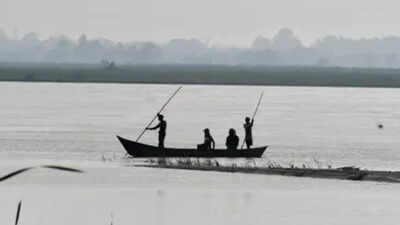
Bangladesh does not want its relations with India to suffer because of the long-running dispute over sharing the waters of the Teesta river, country’s water resources minister Shahiduddin Chowdhury Anee said.Speaking at a seminar in Dhaka on Sunday, Anee said Bangladesh recognised India as a friendly neighbour but wanted New Delhi to consider Dhaka’s interests while pursuing its own.“The neighbouring country is a friendly country. They have to think that while they have their interests, we also have ours,” news agency PTI reported citing news portal tbsnews.net.“A friend should protect the interests of a friend. We never want our friendly relations with them to deteriorate,” he said.
Bangladesh pushes for Teesta solution
The comments come as Bangladesh’s new government steps up efforts to find a solution to the Teesta dispute. Dhaka is also pursuing a broader Teesta River Comprehensive Management and Restoration Project, with China offering support.The proposed project aims to address recurring floods, river erosion and shortages of water during the dry season in northern Bangladesh, where the river is crucial for farming and livelihoods.Anee said the government had held several seminars and consultations since the February election to gather expert views on the project. A detailed study based on those recommendations would help the government decide its next steps.The minister said people in five to six northern districts had high expectations from the project after years of suffering from erosion and other river-related problems.“If we fail to implement it, the damage and problems faced by families in those areas will continue to increase. We have to overcome this challenge anyhow,” he said.Anee said prime minister Tarique Rahman regularly discusses the project and that government departments are also reviewing its progress.Calling for an agreement on the river, he said, “Whether it is called the Teesta treaty or the Teesta master plan, or whatever is necessary to implement this project, we will move towards implementation.”
Why the Teesta matters to India and Bangladesh
The Teesta begins in the Himalayas and flows through Sikkim and West Bengal before entering Bangladesh. It eventually joins the Jamuna, which is the Bangladeshi name for the Brahmaputra.The river is particularly important to northern Bangladesh, where farmers depend on its water. It is also important to West Bengal for irrigation and power generation, with several districts in North Bengal relying on its waters.India and Bangladesh have been discussing the sharing of Teesta waters since the 1980s. An interim arrangement reached in 1983 allocated 39 per cent of the water to India and 36 per cent to Bangladesh, leaving 25 per cent unallocated.The two sides continued negotiations but failed to reach a long-term agreement. A draft interim deal was finalised in 2011, but it could not be signed after the West Bengal government opposed it over concerns about water availability in the state.
China’s role adds a strategic angle
Bangladesh’s renewed push for the Teesta project has gained a wider strategic dimension because of China’s involvement.During his visit to Beijing in June, Rahman held talks with Chinese leaders and secured a commitment from Beijing to speed up a technical feasibility study for the proposed Teesta restoration project.For India, greater Chinese involvement in northern Bangladesh is sensitive because the region lies close to the Siliguri Corridor. The narrow corridor is India’s crucial land link between the northeastern states and the rest of the country.
Share your thoughts in the comments
Be respectful · TOI community guidelines
India has maintained that the Teesta issue should be discussed with all relevant stakeholders, including West Bengal.External affairs ministry spokesperson Randhir Jaiswal said in July that India’s position on the proposed Teesta project had already been conveyed to Bangladesh. He said India would consider “all related developments” as part of its “overall approach to the Teesta issue”.
Teesta separate from Ganges treaty
The Teesta negotiations are separate from the India-Bangladesh Ganges Water Sharing Treaty signed in 1996.That treaty is valid for 30 years and is due to expire in December 2026. India and Bangladesh share 54 transboundary rivers and use the Joint Rivers Commission to address issues related to their common water resources.


