
Supreme Court has stepped up efforts to bring greater uniformity to cancer reporting NEW DELHI: With the National Cancer Registry Programme covering only a fraction of India’s population and rural cancer surveillance remaining particularly limited, the Supreme Court has stepped up efforts to bring greater uniformity to cancer reporting. The court on Tuesday asked the 19 States and Union Territories that have not yet notified cancer as a notifiable disease to consider doing so, a move that could make reporting of newly detected cases to public health authorities mandatory.Such notification could help plug gaps in cancer surveillance by giving health authorities a more complete picture of the country’s cancer burden, including where cases are rising and which populations are most affected. The data could in turn help shape policies on prevention, early detection, treatment capacity and allocation of healthcare resources.A bench headed by Chief Justice Surya Kant passed the order on a plea filed by a retired AIIMS doctor after his lawyer Gaurav Bansal told the court that NCRP covers only 10% of population and rural coverage is less than 1%.The push assumes greater significance against the backdrop of the WHO’s latest Global Status Report on Cancer, which estimates that 92% of people globally will be affected by cancer either directly or through a close family member. The report also projects annual cancer cases to rise to nearly 35 million by 2050.The Supreme Court was informed that 17 of India’s 36 States and UTs have already notified cancer, following recommendations of the Parliamentary Standing Committee on Health and Family Welfare. The remaining 19 have now been asked to consider similar action.Join conversationView All Comments →Share your thoughts in the commentsInsightfulAgreeDisagreeSkepticalConcerningPromisingWorth ReadingBig DevelopmentPost CommentBe respectful · TOI community guidelinesDr Pragya Shukla, Head of Clinical Oncology at Delhi State Cancer Institute, said standardised, disease-specific and timely data was essential to track India’s changing cancer burden, identify regional and demographic trends, and assess the impact of prevention and treatment programmes. Such a system, she said, would complement existing cancer registries, help identify high-burden areas, improve planning for treatment infrastructure and medicines, and strengthen evidence-based cancer control. Govil added that reliable data would be critical for planning prevention, early detection and resource allocation.The Indian Cancer Society welcomed the intervention, saying national notification could help build a comprehensive cancer surveillance system. “The Supreme Court’s intervention is a significant development, and we welcome its direction to the remaining States and Union Territories to move towards cancer notification,” said Jyotsna Govil, Chairperson, Indian Cancer Society, Delhi. However, she stressed that notification alone would not suffice and called for a uniform national framework with common definitions, reporting standards and data protocols to ensure comparable and interoperable data across states.Get the latest India News and Live updates. Download the TOI app.About the AuthorAnuja JaiswalAnuja Jaiswal is a Senior Assistant Editor at The Times of India, with an impressive 18-year career in narrative journalism. She specializes in health and heritage reporting, expertly simplifying complex health information to make it engaging and understandable for readers. Her deep dives into heritage topics are well-researched, resulting in captivating narratives that resonate with her audience. Over the years, she has worked in Chandigarh, Chhattisgarh and West UP, gaining diverse on-ground experience that shapes her storytelling.Read MoreEnd of ArticleFollow Us On Social MediaVideosThreat Letter Targets Kashmiri Pandits In Kashmir, Employees Asked To Stay Alert Amid Security FearChilling Crash Video: Atiq Ahmed’s Son’s Creta Flips After Losing Control On Highway | WatchUdhayanidhi Backs CM Vijay’s Tamil Nadu Delimitation Stand, Demands No Cut In State’s LS SeatsFCRA Bill Sent To 31-Member JPC Amid Opposition Protests, Akhilesh-Rijiju Clash Over MinoritiesRijiju slams opposition over parliament chaos, says ‘running away from debate’Explained: Why Amritpal Singh’s Party Fielded Son of Indira Gandhi’s Assassin In Punjab Elections?Prashant Kishor Promises Jobs For 10,000 Bankipur Youths After Ending BJP’s 30-Year Hold | WatchIndia’s Map Move Rattles China: What Naming 27 Places In Arunachal Means?Air India Phuket-Delhi Pilot’s Confirmatory Dope Test Reportedly Positive For Marijuana, Sources SayTamil Nadu Assembly Passes Anti-NEET Resolution As DMK, AIADMK And PMK Back Abolition Demand123Photostories7 protein and fiber-rich Oats & Egg combinations for a complete breakfastBirds that eat snakes: Nature’s unlikely serpent huntersKyunki Saas Bhi Kabhi Bahu Thi 2: From Smriti Irani to Amar Upadhyay, here’s how much the cast earns per episodeBeyond Payasam: Traditional South Indian sweets that deserve a tryPreity Zinta goes full royalcore in an Rs 42,500 fuchsia farshi salwar set for ‘Batwara 1947’ promotionsTaking multiple supplements every day? Doctors warn these common combinations could do more harm than good10 beautiful baby girl names that symbolise graceOptical illusion personality test: What you see first reveals your hidden personality type10 classic, smokey and flavourful tikkas perfect for evening snacking5 everyday phone habits that may be damaging your relationship without you noticing123Hot PicksKaroline LeavittMHT-CET CAP round seat allotmentSlovenia Indian embassyJharkhand protestN ChandrasekaranNEET PG 2026 city slipIran warSBI Clerk RecruitmentUP scholarshipTop TrendingChennai AirportNagpur Rape CaseAir India Phuket-Delhi FlightMumbai Kurla LandslideBengaluru Missing TechieSpiceJet FlightTelangana AccidentAbhijeet DipkeWeather TomorrowShakeel Noorani

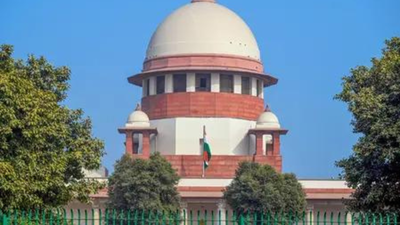
NEW DELHI: With the National Cancer Registry Programme covering only a fraction of India’s population and rural cancer surveillance remaining particularly limited, the Supreme Court has stepped up efforts to bring greater uniformity to cancer reporting. The court on Tuesday asked the 19 States and Union Territories that have not yet notified cancer as a notifiable disease to consider doing so, a move that could make reporting of newly detected cases to public health authorities mandatory.Such notification could help plug gaps in cancer surveillance by giving health authorities a more complete picture of the country’s cancer burden, including where cases are rising and which populations are most affected. The data could in turn help shape policies on prevention, early detection, treatment capacity and allocation of healthcare resources.A bench headed by Chief Justice Surya Kant passed the order on a plea filed by a retired AIIMS doctor after his lawyer Gaurav Bansal told the court that NCRP covers only 10% of population and rural coverage is less than 1%.The push assumes greater significance against the backdrop of the WHO’s latest Global Status Report on Cancer, which estimates that 92% of people globally will be affected by cancer either directly or through a close family member. The report also projects annual cancer cases to rise to nearly 35 million by 2050.The Supreme Court was informed that 17 of India’s 36 States and UTs have already notified cancer, following recommendations of the Parliamentary Standing Committee on Health and Family Welfare. The remaining 19 have now been asked to consider similar action.
Share your thoughts in the comments
Be respectful · TOI community guidelines
Dr Pragya Shukla, Head of Clinical Oncology at Delhi State Cancer Institute, said standardised, disease-specific and timely data was essential to track India’s changing cancer burden, identify regional and demographic trends, and assess the impact of prevention and treatment programmes. Such a system, she said, would complement existing cancer registries, help identify high-burden areas, improve planning for treatment infrastructure and medicines, and strengthen evidence-based cancer control. Govil added that reliable data would be critical for planning prevention, early detection and resource allocation.The Indian Cancer Society welcomed the intervention, saying national notification could help build a comprehensive cancer surveillance system. “The Supreme Court’s intervention is a significant development, and we welcome its direction to the remaining States and Union Territories to move towards cancer notification,” said Jyotsna Govil, Chairperson, Indian Cancer Society, Delhi. However, she stressed that notification alone would not suffice and called for a uniform national framework with common definitions, reporting standards and data protocols to ensure comparable and interoperable data across states.


