
11 people were killed in the blast on November 10, 2025 NEW DELHI: The United Nations Security Council (UNSC) has officially attributed the November 2025 blast near Delhi’s iconic Red Fort to Al-Qaida in the Indian Subcontinent (AQIS), according to the 38th report of its Analytical Support and Sanctions Monitoring Team.The attack on November 10 last year claimed 11 lives.”Al-Qaida in the Indian Subcontinent (AQIS, not listed) continued to evolve from a fragmented group into a regional terrorist entity; it established logistics and financial networks, working in decentralised, small, scattered cells instead of large units. The attack in November 2025 on the Red Fort in Delhi was officially attributed to AQIS,” the report, published on August 10, stated.The assessment marks a significant shift in the attribution of the Red Fort attack, which had earlier been linked to the Pakistan-based Jaish-e-Mohammed (JeM).The report noted that one member state had attributed a series of attacks to JeM and also linked the group to the Red Fort blast.The explosion occurred around 7 pm when a moving Hyundai i20 erupted in flames near the iconic monument.Investigators identified Umar-e-Nabi as the driver of the car and suspect him of carrying out the attack as a suicide bomber.Launched in 2014, AQIS is a regional affiliate of Al-Qaida.The group was formed to expand the organisation’s activities across South Asia, including India, Pakistan, Bangladesh and parts of Afghanistan.Meanwhile, the latest UNSC assessment also flagged broader concerns over the activities and capabilities of Al-Qaida and Islamic State (ISIL/Da’esh) affiliates.Join conversationView All Comments →Share your thoughts in the commentsInsightfulAgreeDisagreeSkepticalConcerningPromisingWorth ReadingBig DevelopmentPost CommentBe respectful · TOI community guidelinesThe report noted that Al-Qaida and ISIL had for years shown interest in developing chemical and biological weapons but had so far failed to overcome the technical challenges involved. It also highlighted the widespread circulation of instructions on producing such agents in online terrorist communities.The report cited material published by ISIL’s English-language Invade magazine in February that included instructions related to botulinum toxin and cyanide. It also noted that ISIL-K had shown particular interest in ricin and circulated instructions on developing the toxin over the previous 12 months.(With ANI inputs)Get the latest India News and Live updates. Download the TOI app.About the AuthorTOI News DeskThe TOI News Desk comprises a dedicated and tireless team of journalists who operate around the clock to deliver the most current and comprehensive news and updates to the readers of The Times of India worldwide. With an unwavering commitment to excellence in journalism, our team is at the forefront of gathering, verifying, and presenting breaking news, in-depth analysis, and insightful reports on a wide range of topics. The TOI News Desk is your trusted source for staying informed and connected to the ever-evolving global landscape, ensuring that our readers are equipped with the latest developments that matter most.”Read MoreEnd of ArticleFollow Us On Social MediaVideosThreat Letter Targets Kashmiri Pandits In Kashmir, Employees Asked To Stay Alert Amid Security FearChilling Crash Video: Atiq Ahmed’s Son’s Creta Flips After Losing Control On Highway | WatchUdhayanidhi Backs CM Vijay’s Tamil Nadu Delimitation Stand, Demands No Cut In State’s LS SeatsFCRA Bill Sent To 31-Member JPC Amid Opposition Protests, Akhilesh-Rijiju Clash Over MinoritiesRijiju slams opposition over parliament chaos, says ‘running away from debate’Explained: Why Amritpal Singh’s Party Fielded Son of Indira Gandhi’s Assassin In Punjab Elections?Prashant Kishor Promises Jobs For 10,000 Bankipur Youths After Ending BJP’s 30-Year Hold | WatchIndia’s Map Move Rattles China: What Naming 27 Places In Arunachal Means?Air India Phuket-Delhi Pilot’s Confirmatory Dope Test Reportedly Positive For Marijuana, Sources SayTamil Nadu Assembly Passes Anti-NEET Resolution As DMK, AIADMK And PMK Back Abolition Demand123Photostories7 protein and fiber-rich Oats & Egg combinations for a complete breakfastBirds that eat snakes: Nature’s unlikely serpent huntersKyunki Saas Bhi Kabhi Bahu Thi 2: From Smriti Irani to Amar Upadhyay, here’s how much the cast earns per episodeBeyond Payasam: Traditional South Indian sweets that deserve a tryPreity Zinta goes full royalcore in an Rs 42,500 fuchsia farshi salwar set for ‘Batwara 1947’ promotionsTaking multiple supplements every day? Doctors warn these common combinations could do more harm than good10 beautiful baby girl names that symbolise graceOptical illusion personality test: What you see first reveals your hidden personality type10 classic, smokey and flavourful tikkas perfect for evening snacking5 everyday phone habits that may be damaging your relationship without you noticing123Hot PicksKaroline LeavittMHT-CET CAP round seat allotmentSlovenia Indian embassyJharkhand protestN ChandrasekaranNEET PG 2026 city slipIran warSBI Clerk RecruitmentUP scholarshipTop TrendingChennai AirportNagpur Rape CaseAir India Phuket-Delhi FlightMumbai Kurla LandslideBengaluru Missing TechieSpiceJet FlightTelangana AccidentAbhijeet DipkeWeather TomorrowShakeel Noorani

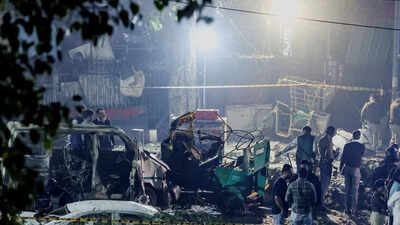
NEW DELHI: The United Nations Security Council (UNSC) has officially attributed the November 2025 blast near Delhi’s iconic Red Fort to Al-Qaida in the Indian Subcontinent (AQIS), according to the 38th report of its Analytical Support and Sanctions Monitoring Team.The attack on November 10 last year claimed 11 lives.“Al-Qaida in the Indian Subcontinent (AQIS, not listed) continued to evolve from a fragmented group into a regional terrorist entity; it established logistics and financial networks, working in decentralised, small, scattered cells instead of large units. The attack in November 2025 on the Red Fort in Delhi was officially attributed to AQIS,” the report, published on August 10, stated.The assessment marks a significant shift in the attribution of the Red Fort attack, which had earlier been linked to the Pakistan-based Jaish-e-Mohammed (JeM).The report noted that one member state had attributed a series of attacks to JeM and also linked the group to the Red Fort blast.The explosion occurred around 7 pm when a moving Hyundai i20 erupted in flames near the iconic monument.Investigators identified Umar-e-Nabi as the driver of the car and suspect him of carrying out the attack as a suicide bomber.Launched in 2014, AQIS is a regional affiliate of Al-Qaida.The group was formed to expand the organisation’s activities across South Asia, including India, Pakistan, Bangladesh and parts of Afghanistan.Meanwhile, the latest UNSC assessment also flagged broader concerns over the activities and capabilities of Al-Qaida and Islamic State (ISIL/Da’esh) affiliates.
Share your thoughts in the comments
Be respectful · TOI community guidelines
The report noted that Al-Qaida and ISIL had for years shown interest in developing chemical and biological weapons but had so far failed to overcome the technical challenges involved. It also highlighted the widespread circulation of instructions on producing such agents in online terrorist communities.The report cited material published by ISIL’s English-language Invade magazine in February that included instructions related to botulinum toxin and cyanide. It also noted that ISIL-K had shown particular interest in ricin and circulated instructions on developing the toxin over the previous 12 months.(With ANI inputs)


