
Scientists accidentally discovered a way to recycle plastic into valuable chemicals using only water and oxygen

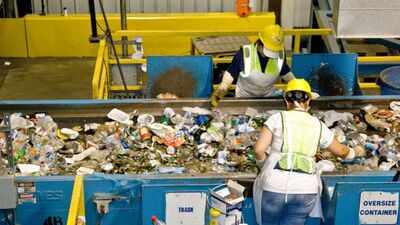
Plastic waste is a global threat to both the environment and public health, with over 400 million tons produced annually. Turning plastic into value-added chemicals holds significant promise, but the industrial adoption gets slowed down by the high costs of metal catalysts and how they become deactivated by additives. Traditional recycling requires harsh operating conditions and energy-intensive processing, which limits the economic viability.However, researchers at Zhejiang University, in collaboration with Cardiff University (UK), the University of Tokyo, Zhejiang University of Technology, China Jiliang University and other institutions has come up with a simple yet remarkable alternative. They discovered that water and oxygen alone can manage the degradation of common plastics under mild conditions, without the need for metal catalysts. This research, published in Nature, shows how the unique chemical environment formed at the interface of water droplets, can easily break down strong plastic bonds.
How did an accidental experiment with water changed the recycling phenomenon
For many years, the scientific community operated under the firm belief that breaking down the tough carbon bonds in plastics required intense heat and expensive catalysts. The research team at Zhejiang University, led by WANG Yong, initially shared this view and set out to design a more efficient catalyst for the task.However, a standard ‘blank control’ experiment where the catalyst is intentionally left out to provide a baseline for comparison, completely changed their direction. Doctoral student GAO Ruiliang prepared this routine control, expecting that nothing significant would happen to the plastic sample. Surprisingly, the plastic showed clear signs of breaking down. At first, the researchers thought the results were a mistake or there was some contamination within the reactor. They spent months repeating the experiment dozens of times, using different researchers and new equipment to rule out any errors. When the degradation occurred every single time, they realised they had discovered an entirely new scientific principle of recycling plastic with nothing more than water and oxygen.
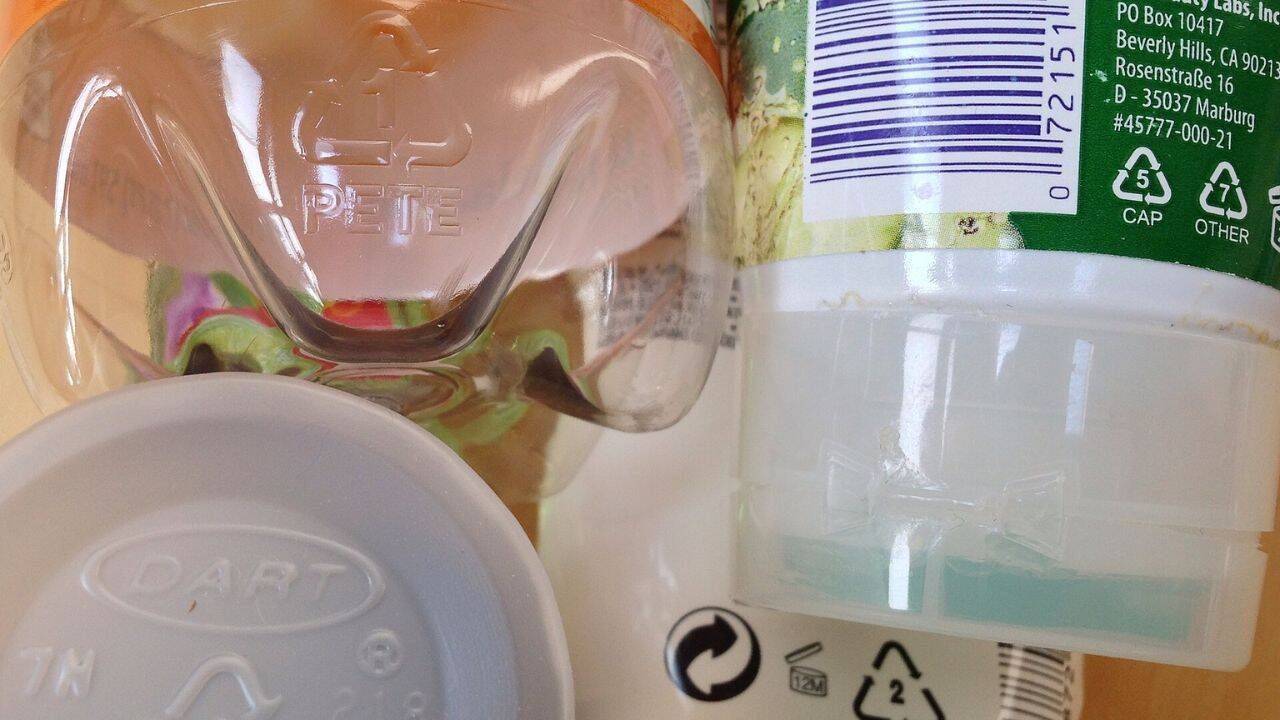
Image Credit: Wikipedia
Why does water act as a chemical cutter for the plastic bonds
The answer lies in ‘microdroplet chemistry.’ When molten plastic is stirred with water and oxygen, it breaks into countless microscopic oil-like droplets suspended in the water. At the boundary where these oil droplets meet the water, molecules arrange themselves in an asymmetrical way that generates intense, localised electric fields.These tiny electric fields are the engine of the reaction, as they promote the formation of highly reactive species known as hydroxyl radicals. These radicals act like ‘molecular scissors,’ systematically cutting the long, strong carbon chains that make up plastics like polyethylene and polypropylene. By using the water-oil interface as a natural site for chemical activity, the process turns the water itself into a tool for degradation without the need for any added metals or chemicals.
What products can be created from the waste left behind in this process
One of the most exciting aspects of this discovery is that the plastic is not just being destroyed; it is being ‘upcycled’ into high-value chemicals . The ‘molecular scissors’ of the hydroxyl radicals trim the long polymer chains into shorter pieces called dicarboxylic acids. These acids are highly useful industrial feedstocks, serving as the building blocks for manufacturing nylon, biodegradable plastics, and even pharmaceuticals and fragrances.The researchers reported a complete conversion of polyethylene, depicting the high-level efficiency of this process. Most importantly for the health of our planet, the reaction leaves behind no detectable microplastic residues, meaning the waste is truly transformed rather than just broken into smaller pollutants. This makes the process a potentially attractive route for creating a ‘circular’ carbon economy, where waste is viewed as a resource, not a liability.
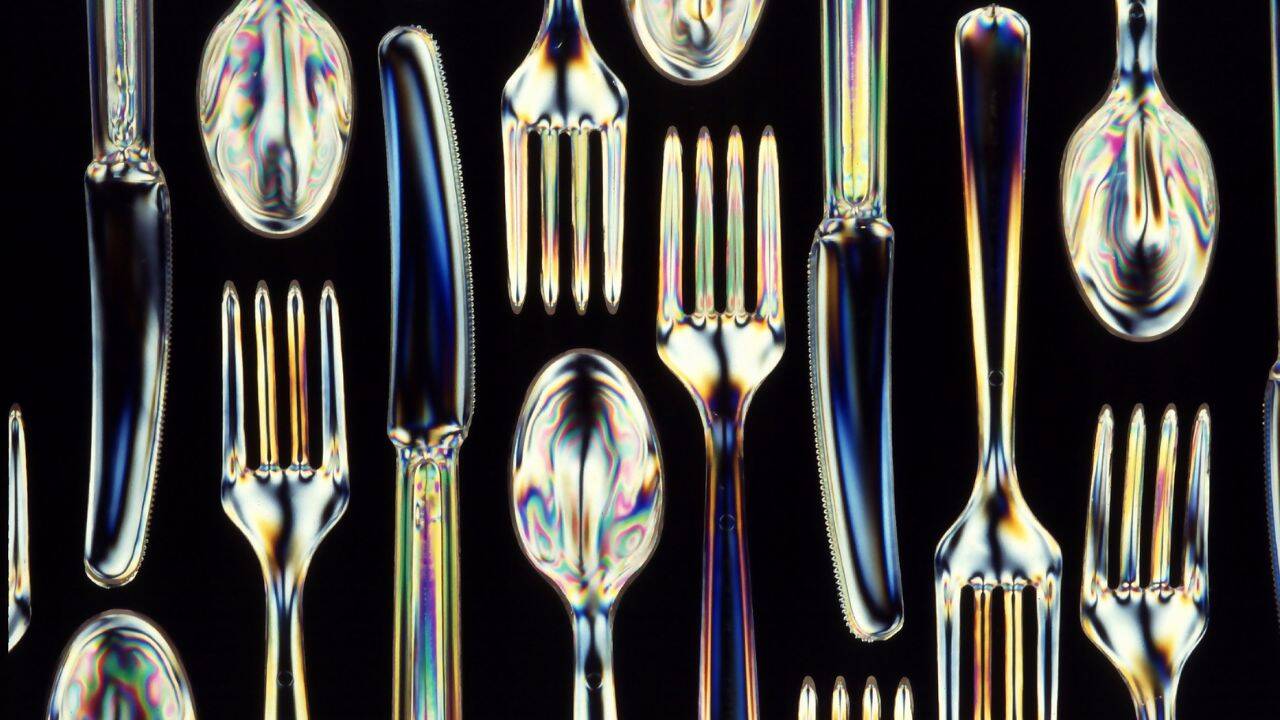
Biodegradable plastic utensils. Image Credit: Scott Bauer
Can this process work on an industrial scale
Shifting from a lab experiment to a global industrial solution is always a challenge, but this new method has several advantages that could make the adoption easier. Because it is a ‘catalyst-free’ strategy, it avoids the problem of ‘catalyst poisoning,’ where additives in the plastic waste ruin expensive metal components. This makes the process much more flexible when dealing with mixed plastics, found in the real world.According to the scientists involved, this method can be scaled up to at least a 300-gram scale in the lab. Furthermore, the reaction operates at only slightly above 100°C, which is far lower than the temperatures required for existing recycling methods. This low-energy requirement, combined with the absence of catalysts, could significantly reduce costs and technical barriers. It still remains to be seen how this will perform on a massive commercial scale, but the study provides a blueprint for the first industrial application of microdroplet chemistry. This could transform not just how we recycle plastic, but how we approach chemical oxidation across the entire manufacturing sector.


