
Woman in Bengal gets Rs 17.17 lakh payout after finance company illegally seizes her truck

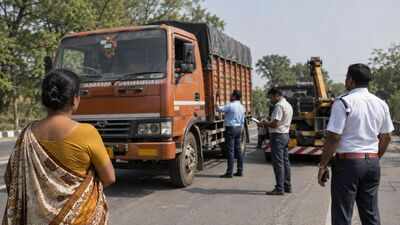
NEW DELHI: The West Bengal state consumer commission, in an order dated July 30, held a finance company liable for deficiency in service after it seized a woman’s truck without giving prior notice, even though there were no overdue payments on that loan. Holding that the seizure was illegal, the commission directed the company to pay Rs 17.17 lakh as compensation and litigation costs, close the loan account and not make any further recovery claims against her.Why did the woman approach the commission?According to the commission’s order, complainant Sampa Basak bought a commercial truck after taking a loan of Rs 21.46 lakh from the finance company in August 2017. The loan was to be repaid in 46 monthly instalments of Rs 64,641 each. She used the truck to earn her livelihood by transporting goods.On November 10, 2018, while the truck was carrying a load of food products to North Dinajpur, people acting on behalf of the finance company stopped the vehicle on the highway and took it away. Basak said she went to the local police station to file a complaint, but the police did not register it. She then approached the consumer commission, seeking compensation for the loss of her truck, loss of income, mental agony and legal expenses.The finance company denied the allegations. It said the loan was covered by a hire-purchase agreement, under which it had the right to take back the vehicle if the borrower defaulted. It also claimed that Basak had failed to pay her dues and that it had followed the terms of the agreement.“The complainant’s payment history shows that from the first installment in September 2017 up until 28.10.2018—just twelve days before the forceful seizure—she had consistently paid every single EMI within a reasonable seven-day window. On the date of the seizure (10.11.2018), her outstanding overdue balance for the subject vehicle was absolutely nil,” the court order reads.Why did the commission rule against the finance company?The bench of Judicial Member Rajes Guha Ray and Member Santanu Saha said the finance company could not take away the truck when there was no default in the loan linked to that vehicle. It also found that the company could not prove that it had given the required written notice before taking possession of the truck.“A financier cannot invoke the harsh remedy of repossession when there is no active financial default on the specific asset. To seize a commercial vehicle when the borrower is current on her payments is a gross display of bad faith and a severe deficiency in service,” the commission held.The commission also said that even if the loan agreement allowed the company to repossess the vehicle, it still had to follow the proper procedure and give prior notice. A notice sent after the truck had already been taken away could not make the seizure legal.“The post-facto letter dated 13.11.2018, sent three days after the physical seizure, cannot retroactively cure an illegal and high-handed act,” it further noted.The commission further noted that the truck had remained with the finance company for nearly eight years and had lost most of its value during that time. It said giving the truck back now would not be a meaningful remedy.“Returning the physical vehicle to the complainant now would be an empty remedy; it is no longer ply-worthy and would require massive financial investments in repairs and maintenance just to make it operational,” the bench said.The commission directed the finance company to pay Rs 8.76 lakh for the complainant’s share in the truck, Rs 5 lakh for loss of livelihood, Rs 3 lakh for mental agony and harassment, and Rs 40,000 towards litigation costs. It also ordered the company to treat the loan as fully settled and not raise any further claims against the complainant. The amount has to be paid within 45 days, failing which it will carry 9 per cent annual interest until payment.


