
Stop asking ‘How was your day?’: 5 gentle parenting tips that help children open up naturally and talk frankly with parents


Your child walks through the door after seven hours at school. You have been waiting all day to hear about it. The friends. The teacher. The lunch break. The test. The moment that made them laugh. So you ask the most natural question in the world. “How was your day?” “Good.” And that is it. The door closes. The conversation ends before it even begins. And you are left standing there, holding a question that felt so simple but somehow landed like a wall. Jenna Mazzillo knows this moment intimately. She is a behaviour analyst, a teacher, and a mother. And in a video she shared earlier this month, she revealed exactly how she gets her daughter Grace to open up about her school day, without forcing, without interrogating, and without the dreaded one-word answer. Here is what she does instead.
28 Jul 2026 | 16:22
How do you teach children about money and financial responsibility?
Tip 1: Greet them with love, not a question
The moment your child walks in the door, they have just spent seven hours navigating complex social situations, academic demands, and the exhausting business of being a child in the world. The last thing they want to do is immediately relive all of it. So Jenna does not open with “How was your day?” She opens with something warmer. Something that does not require anything in return.“I love you.” “I’m so happy to see you.” “I thought about you today.” That is it. No question. No expectation. Just a reminder that home is safe and they are loved. And from that foundation, everything else becomes possible. Enter their world before inviting them into yours
Tip 2: Join whatever they are doing for 10 minutes
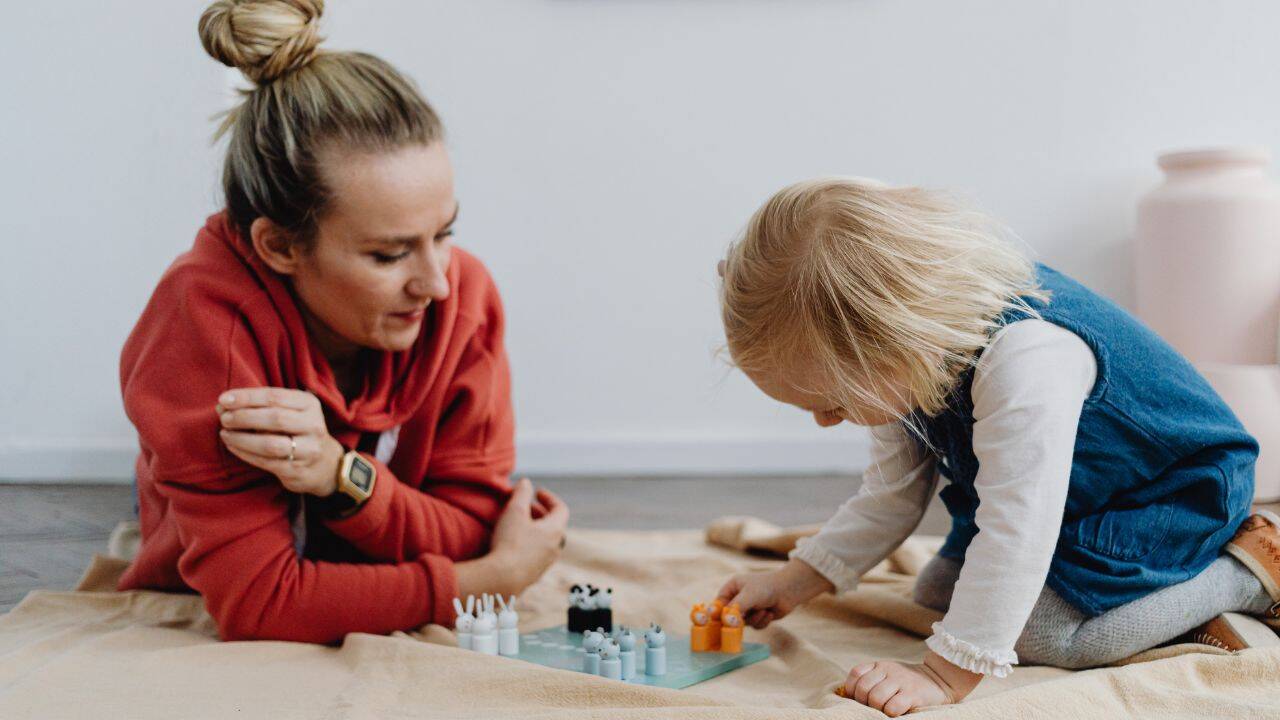
After school, children need to decompress. They need to shift from the structured, performance-driven world of school into the freedom of home. And the fastest way to meet them in that transition is to simply enter their world rather than pulling them into yours. If Grace is making a friendship bracelet, Jenna makes one too. If she is singing, Jenna listens. If she is colouring, Jenna picks up a crayon.No bombardment of questions. Just simple, surface-level presence. Side by side. Unhurried. “And often,” Jenna says, “that is where the door opens up.” Children talk when they feel safe, not when they feel summoned. Sitting beside them quietly, doing what they are doing, is one of the most powerful signals you can send that you are not there to extract information. You are just there. Make sharing feel like a game, not an interrogation
Tip 3: Share yours first, then play Rose Bud Thorn
At dinner, Jenna does not turn the table into a debrief session. Instead, she opens up first. She shares something from her own day. A small thing. Something real. And then she introduces a game the family plays together called Rose Bud Thorn. The rose is the highlight of the day. The bud is something you are looking forward to. The Thorn is something you did not love.Everyone plays. Everyone shares. And because it is a game and not a questionnaire, it feels light, fun, and genuinely mutual. Children are far more likely to talk about their thorns when they see their parents talking about theirs first.
Tip 4: Ask questions that cannot be answered in one word
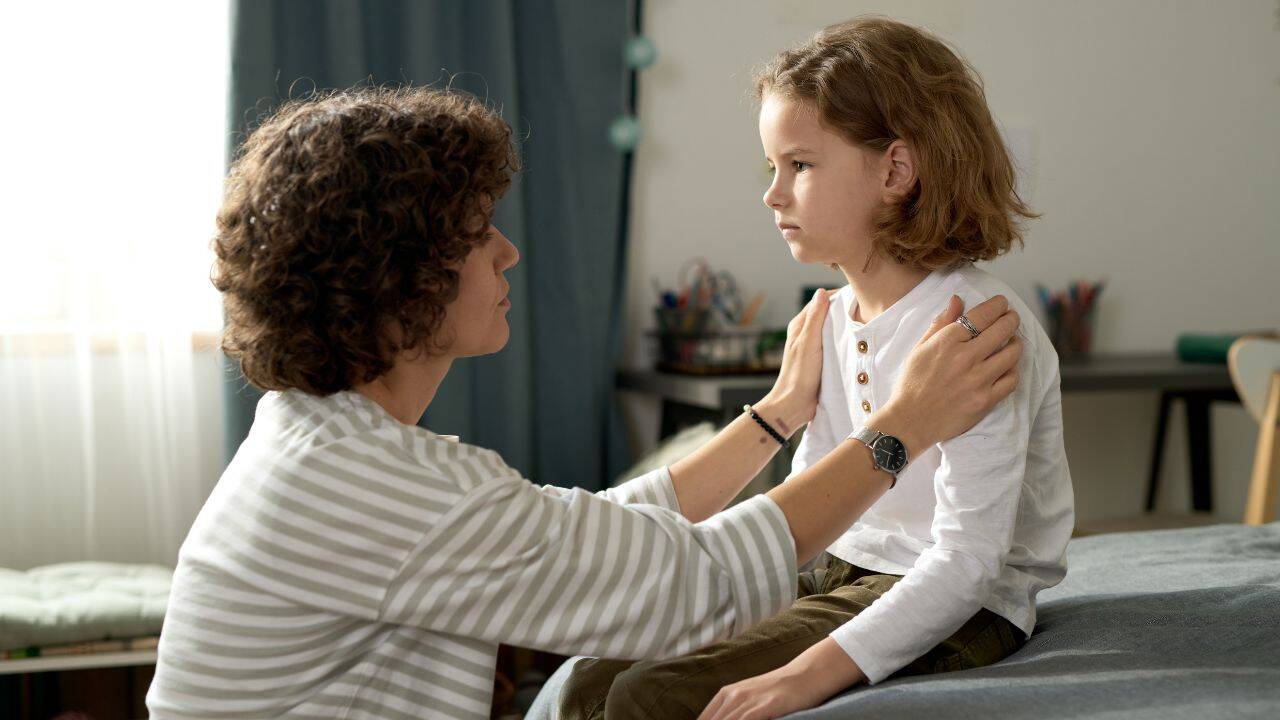
This is the shift that changes everything. Instead of “Did you have a good day?” which invites a yes or no and nothing more, Jenna asks questions that require a story. “Who made you smile today?” “Tell me a funny story.” “Who did you play with at recess?” “Tell me something weird that happened.” These questions do not feel like interrogation. They feel like genuine curiosity. And when Grace answers, Jenna does something equally important.She listens. She does not interrupt. She does not jump in with a life lesson the moment an opening appears. Because if every time a child opens up, a parent lectures them, the child learns one very clear thing. Opening up leads to lectures. So it is better to stay closed. Trust is built in listening. Not responding.
Tip 5: Respect there “no” every single time
This is the one that most parents find hardest. And the one that matters most. When Grace says she does not want to talk, Jenna says two words. “No problem.” And they move on. No pushing. No guilt. No “But I just want to know how you are.” No taking it personally. Because here is the truth that every parent of a growing child eventually discovers: respecting your child’s no is exactly what earns you their yes.When a child knows that saying “I do not want to talk right now” will be accepted without consequence, without disappointment, without a negotiation, they begin to trust that the conversation is truly safe. That you are not waiting to pounce. That you are genuinely there for them, on their terms, at their pace. And then, when they are ready, they will come to you. Not because they have to. But because they want to.
The simplest truth about getting children to open up
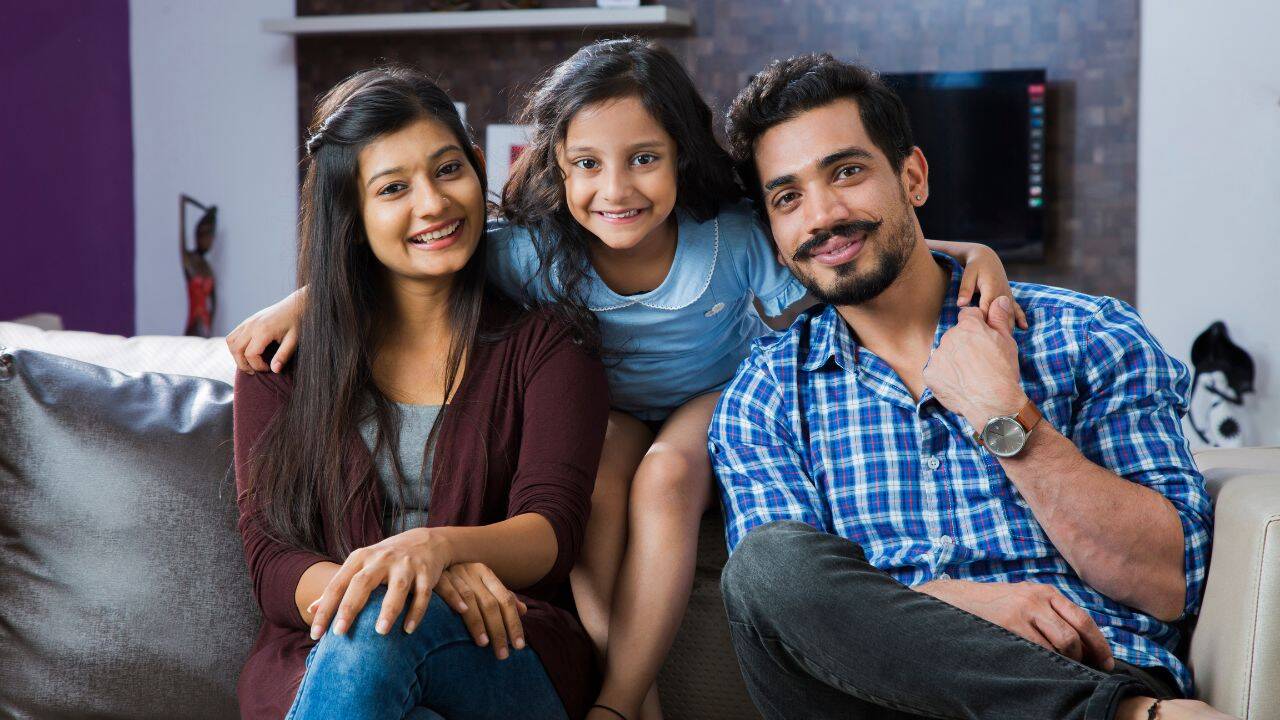
You cannot force a child to talk. But you can make yourself the kind of parent they want to talk to. Start with love, not questions. Join their world before asking them into yours. Make sharing feel mutual and playful. Ask questions that open doors. And when they say no, honour it completely. That is not gentle parenting as a trend. That is connection as a practice. And it works every time.


