
Supreme Court NEW DELHI: The Supreme Court on Tuesday held that a juvenile accused of murder can be tried as an adult if the crime qualifies as a “heinous offence” under the Juvenile Justice Act.The judgement, aimed at clarifying the legal framework for trying minors as adults, held that murder under Section 302 of the IPC must be classified as a “heinous offence” under the Juvenile Justice (Care and Protection of Children) Act, 2015.”The offence punishable under Section 302 of the IPC, which prescribes punishment of ‘death or imprisonment for life’, carries life imprisonment as its minimum punishment. It would therefore be categorized as a ‘heinous offence’,” the judgement authored by Justice Pardiwala stated.The juvenile’s counsel had argued that since Section 302 of the IPC prescribes “death or imprisonment for life” but does not explicitly mention the word “minimum”, murder should be categorised as a “serious offence” rather than a “heinous” one.”Life imprisonment is, by necessary implication, the minimum punishment for murder since courts cannot impose a sentence below life imprisonment upon conviction under Section 302,” the order held.The legal battle centred on a technicality in sentencing definitions. Under the Juvenile Justice Act, “heinous offences” are those that carry a minimum imprisonment term of seven years or more.The Patna High Court had held that the appellant needed to be tried as an adult and directed the Juvenile Justice Board to transfer the case to a regular court.The Juvenile Justice Board had initially decided that the child should be tried by the Board itself, but the appellate sessions court overturned the decision. The high court later upheld the order allowing the juvenile to be tried as an adult, following which the accused approached the Supreme Court.(With PTI inputs)Get the latest India News and Live updates. Download the TOI app.About the AuthorTOI News DeskThe TOI News Desk comprises a dedicated and tireless team of journalists who operate around the clock to deliver the most current and comprehensive news and updates to the readers of The Times of India worldwide. With an unwavering commitment to excellence in journalism, our team is at the forefront of gathering, verifying, and presenting breaking news, in-depth analysis, and insightful reports on a wide range of topics. The TOI News Desk is your trusted source for staying informed and connected to the ever-evolving global landscape, ensuring that our readers are equipped with the latest developments that matter most.”Read MoreEnd of ArticleFollow Us On Social MediaVideosMamata Banerjee Shuts Door On TMC Rebels, Pushes Opposition Unity Against BJPRahul Gandhi Demands PM Modi’s Apology Over CJP Protest Crackdown, Calls Action ‘Un-Indian’Delhi HC Orders Sonam Wangchuk Shifted To Medanta; Political Leaders Visit Injured CJP ProtestersPM Modi Calls NEET Leak A ‘Ghor Paap’, Says 13 Accused Arrested As Probe Intensifies’They Are Beating Everyone…’ Inside CJP Protest: Police Action, Clashes & Tear Gas In DelhiFarmers Mobilise To Protest Against India–US Trade Talks, Security Posed At Delhi BordersExplained: Why India Wants To Rewrite The Indus Waters Treaty?Inside The JP Nadda-CJP Talks: The Story Behind The Missing Demand LetterDelhi Police Examine 250+ Videos To Identify Suspects After CJP Protest Injures Over 118 PersonnelFact Check: Northern Railway Says Viral Stone-Pelting Video Does Not Show India’s Hydrogen Train123PhotostoriesYour weekly mantra based on your birth date for peace and positivityAshwagandha to Vitamin A: Common gym supplements that could be triggering your hair loss10 beautiful baby boy names inspired by the sunrise and first light”I think it has great nutrition”: Why John Abraham calls this spread ‘Great Nutrition’ and 7 ways you can add it in your breakfastFeeling too tired after work? 5 simple Ayurvedic habits that can make a big difference in a short span of time5 timeless life lessons from Lord Krishna that can change the way you liveFrom roti to bhatura: 14 popular Indian breads and their calorie count‘The Odyssey’ cast then vs now: From debut roles in the industry to starring in Christopher Nolan’s films5 iconic monuments around the world designed by women that every traveller should know aboutHow to make pumpkin seed oil for hair growth at home: Benefits, recipe, and does it really work?123Hot PicksMMU ET 2026 resultPNB LBO RecruitmentEl NiñoE20 petrolSonam WangchukCBI Funds ManagementHimachal school holidayDCET Round 1 option entryPune rapeTop TrendingWWE Raw HighlightsAbhijeet DipkeDelhi Cylinder BlastIndia US Trade DealDelhi Farmers ProtestPune Student Sexual AssaultSBI Funds ManagementDiljit DosanjhTripura DGP DeathIND U19 vs Sri Lanka U19

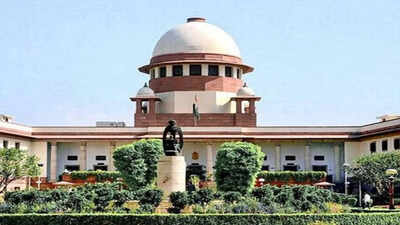
NEW DELHI: The Supreme Court on Tuesday held that a juvenile accused of murder can be tried as an adult if the crime qualifies as a “heinous offence” under the Juvenile Justice Act.The judgement, aimed at clarifying the legal framework for trying minors as adults, held that murder under Section 302 of the IPC must be classified as a “heinous offence” under the Juvenile Justice (Care and Protection of Children) Act, 2015.“The offence punishable under Section 302 of the IPC, which prescribes punishment of ‘death or imprisonment for life’, carries life imprisonment as its minimum punishment. It would therefore be categorized as a ‘heinous offence’,” the judgement authored by Justice Pardiwala stated.The juvenile’s counsel had argued that since Section 302 of the IPC prescribes “death or imprisonment for life” but does not explicitly mention the word “minimum”, murder should be categorised as a “serious offence” rather than a “heinous” one.“Life imprisonment is, by necessary implication, the minimum punishment for murder since courts cannot impose a sentence below life imprisonment upon conviction under Section 302,” the order held.The legal battle centred on a technicality in sentencing definitions. Under the Juvenile Justice Act, “heinous offences” are those that carry a minimum imprisonment term of seven years or more.The Patna High Court had held that the appellant needed to be tried as an adult and directed the Juvenile Justice Board to transfer the case to a regular court.The Juvenile Justice Board had initially decided that the child should be tried by the Board itself, but the appellate sessions court overturned the decision. The high court later upheld the order allowing the juvenile to be tried as an adult, following which the accused approached the Supreme Court.(With PTI inputs)


