Pharma companies await clarity, eye a dose of stability in India-US deal

Pharma companies await clarity, eye a dose of stability in India-US deal

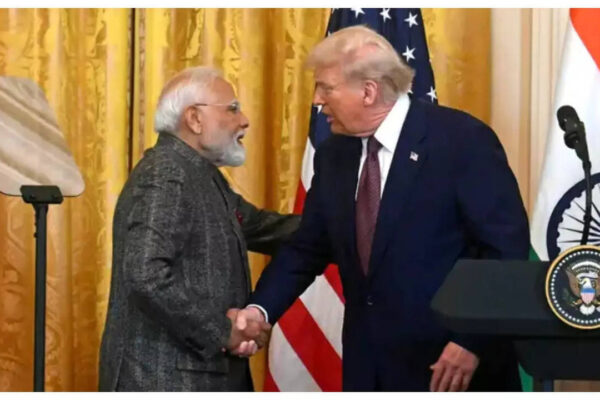
NEW DELHI: Drug makers are set to gain clarity under the proposed India-US trade agreement, sharpening expansion plans in the world’s most lucrative pharmaceutical market. While the sector was insulated from punitive US tariffs, the generics business of major companies, including Sun Pharma, Dr Reddy’s and Cipla faced significant headwinds in the third quarter ended…

Read More
From Yale to Princeton: US students and campus communities rally against ICE operations nationwide

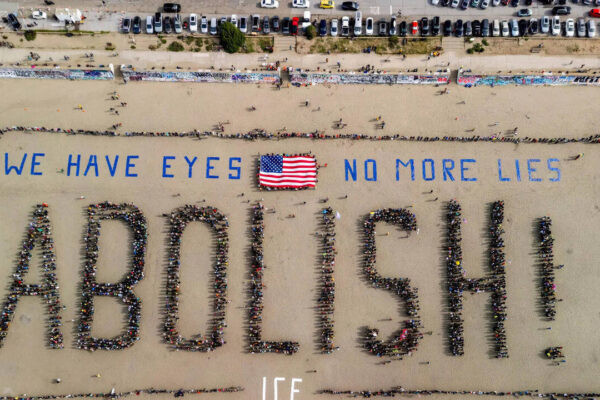
From Yale to Princeton: US students and campus communities rally against ICE operations nationwide

US students and campus communities rally against ICE operations (image: Stephen Lam/San Francisco Chronicle via AP) Several college campuses in the United States have witnessed students coming out into the streets to protest against federal immigration enforcement and to express their support for the communities that suffer the brunt of the ICE operations. In cities…

Read More
‘The Drama’ trailer: Robert Pattinson and Zendaya confess a dark secret as their relationship unravels before their wedding

‘The Drama’ trailer: Robert Pattinson and Zendaya confess a dark secret as their relationship unravels before their wedding

Robert Pattinson and Zendaya kept fans guessing about their film ‘The Drama’, and now, after months of waiting, the first trailer officially dropped online. Going by the clip, the film will not only look at the couple’s picture-perfect romance, but will also see them on the brink of emotional collapse right before they say ‘I…

Read More
‘Pakistani taxi driver angry at invaders’: British right-wing activist’s conversation on refugee transport costs goes viral

‘Pakistani taxi driver angry at invaders’: British right-wing activist’s conversation on refugee transport costs goes viral

A Pakistani taxi driver has spoken out about what he sees as the wasteful cost of transporting refugees across the UK, according to British right-wing activist Tommy Robinson. The driver, who has lived legally in the UK for two years, spoke to Robinson during a protest in Braintree while driving him in his cab.“Yes. 100…

Read More
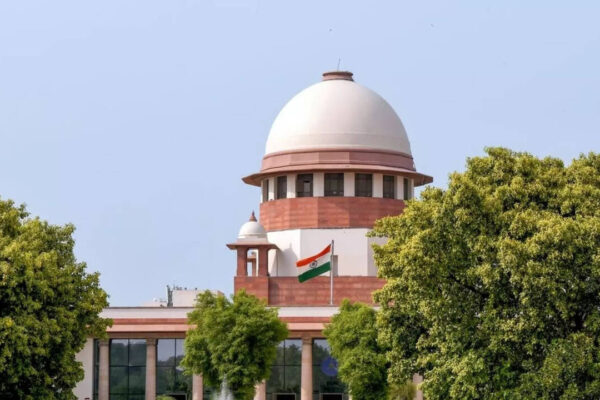
File photo NEW DELHI: Supreme Court on Tuesday warned popular messaging platform WhatsApp of a complete ban for sharing personal data of users, as it tore into the Mark Zuckerberg-controlled behemoth for exploiting and commercialising the data in violation of privacy rights and dismissing its defence of taking users’ consent as a sham deal where the latter had no cards.Dealing with appeals by WhatsApp, its parent company Meta which also owns Facebook, challenging a NCLAT decision that upheld Competition Commissions finding of abuse of dominant position against the social media giant, a bench of CJI Surya Kant and Justices Joymalya Bagchi and Vipul M Pancholi scorched it with admonitions for violating right to privacy of Indian citizens. “You have complete monopoly in the sector. What is the choice you give to users? The consent to share agreement is like the agreement between the lion and the lamb — either you give consent to share your personal data or you walk out of the WhatsApp service,” said the bench.“We will not allow you to share a single word of the personal data you gather from messages. This must be made clear to you. If you are ready to give an affidavit to undertake this, we will hear you. Otherwise, we will dismiss the appeals,” the CJI warned repeatedly.WhatsApp and Meta through senior advocates Mukul Rohatgi and Amit Sibal sought to argue that the data is shared after obtaining consent from the users and that the messages are encrypted in such a manner that these cannot be accessed by WhatsApp.How can you violate privacy of users like this, SC asks WASC posted the matter for hearing in the WhatsApp case on Feb 9 and asked the ministry of electronics and information technology to also file its response.The hearing was peppered with pithy critical observations from the bench, which said, “There is no question of sharing data. How can you violate the privacy of users like this? You share data with Facebook. Tomorrow Facebook will be sold to another, and you will transfer the entire data.”When Sibal said the data is shared with the consent of users, who are given a choice to opt out, CJI Kant asked, “What do you mean by opt out? What kind of option is given to users? How do poor vegetable vendors or rickshaw pullers or people in the rural areas understand what your terms and conditions are to decide to opt out? The language used in terms and conditions is so cleverly crafted, even some of us (judges) would not understand.”A series of questions followed: “Every such term and condition must be examined from the perspective of a common user in this country. How many users understand the legal obligations you impose upon them? Where is the question of opting out when people do not understand those conditions? Show me from your mobile phone how this opt out condition operates?”The CJI said, “By now, you must have shared the personal data of millions of users… it is a decent way of committing theft of private information. We will not allow it to happen… Otherwise, you opt out of the country and withdraw your services.”Solicitor general Tushar Mehta said, “Our private data, our personal data is not only sold but commercially exploited, making the users mere products.”The CJI said, “That is the point. Selling data is violating the right to privacy, which is so zealously guarded in this country and that data is exploited for purely commercial purposes.”Rohatgi referred to the pending petition by Karmanya Singh challenging the privacy policy of WhatsApp and persuaded the court to tag this issue with that case.But the bench brushed it aside and said, “Our simple query is — ask your domestic help whether she understands your privacy policy? It is not about the educated lot. It is about the majority who do not understand these and can’t fathom its consequences.”Mehta said the choice given to users is either give consent or opt out of the messaging service. Justice Bagchi said what is held against the platform is that the consent it gets is a manufactured one.The CJI said, “We will examine all aspects of this case. In the meantime, we will not allow the privacy of the citizens to be compromised in any manner.” Rohatgi said it would amount to dismissing the appeal even though the law allowed the platforms to be compliant in 18 months, that is by May 2027.When Sibal said WhatsApp services are for free, Justice Bagchi said, “Don’t say free of charge. What are the hidden charges? Every silo of data regarding an individual, irrespective of privacy, has a value. The Digital Personal Data Protection (DPDP) Act only addresses the privacy aspect. We would like to examine what the rent sharing of data is. We are concerned that our behavioural tendencies and trends can be utilised and monetised and thereby, your parent company can leverage it for an advantage in online advertising.”Rohatgi said all over the world, WhatsApp messages are end-to-end encrypted. Justice Bagchi said, “All over the world, I think the judiciaries will have to go into a more intensive and innovative oversight over these companies.“It is not the social service you are providing. You can make legitimate income. But your commercial venture cannot be at the cost of the rights of people of India,” said the CJI.End of ArticleFollow Us On Social MediaVideos’India-US Trade Deal Removes Competitive Disadvantage’: Former Indian Envoy To WashingtonIndia-US Trade Deal: Trump Says India Won’t Buy Russian Oil; Rahul Gandhi Accuses PM of Selling Out’Symbol Of Negativity’: Goyal Rains Fire On Rahul Gandhi After US-India Trade Deal, Parl RuckusIndia-US Trade Deal: Moscow Contradicts Trump’s Claim On New Delhi ‘Stopping’ Russian Oil Imports’Called Me Yaar, Threw Papers’: TDP MP Tenneti Slams Eight Suspended Lok Sabha MPs’Dairy, Agriculture Protected’: Piyush Goyal Outlines ‘Historic’ US-India Trade Deal, Lauds PM ModiBudget 2026: Defence Expert Flags Committed Liabilities, Calls For Battlefield TransparencyPak Defence Minister Khawaja Asif Admits Terror Rooted In Corruption, Vindicates India In ParliamentGold, Silver Under Pressure After Peaks: Should You Invest And Hold Precious Metals Or Sell Off?India Moves To Secure Chicken’s Neck As Underground Rail Project Targets Strategic Vulnerabilities123PhotostoriesHow to make dhaba-style dal makhani at homeThere are only 6 countries whose names begin with the letter ‘U’Archana Puran Singh and Parmeet Sethi’s love story: From a ‘fling’ to three decades of togethernessA look into Yuvika Chaudhary and Prince Narula’s parenthood journeyFrom prehistoric sharks to unusual flowers: What’s inside the world’s largest cave6 common mistakes people make while cooking cauliflower6 luxury electric cars that blend sustainability with opulence‘Love Island’, ‘Love Is Blind’, and more: Reality TV couples who are still together in 2026Diljit Dosanjh makes Indian-style Masala Bread Omelette and we are absolutely loving it’Vadh 2’, ‘Bhabhiji Ghar Par Hain’, ‘Devdas’ re-release: What to watch in cinemas this week123Hot PicksBudget 2026Gold Silver PricesCigarette Prices HikeIndia US TradeIncome Tax CalculatorPublic holidays February 2026Bank Holidays februaryTop TrendingArtemi PanarinMLB Trade RumorsAyesha CurryKayla NicoleNHL Injury UpdatePuka NacuaRussell WilsonDenver Nuggets vs Detroit PistonsNikola JokicGold Riyadh Players Ranking

File photo NEW DELHI: Supreme Court on Tuesday warned popular messaging platform WhatsApp of a complete ban for sharing personal data of users, as it tore into the Mark Zuckerberg-controlled behemoth for exploiting and commercialising the data in violation of privacy rights and dismissing its defence of taking users’ consent as a sham deal where the latter had no cards.Dealing with appeals by WhatsApp, its parent company Meta which also owns Facebook, challenging a NCLAT decision that upheld Competition Commissions finding of abuse of dominant position against the social media giant, a bench of CJI Surya Kant and Justices Joymalya Bagchi and Vipul M Pancholi scorched it with admonitions for violating right to privacy of Indian citizens. “You have complete monopoly in the sector. What is the choice you give to users? The consent to share agreement is like the agreement between the lion and the lamb — either you give consent to share your personal data or you walk out of the WhatsApp service,” said the bench.“We will not allow you to share a single word of the personal data you gather from messages. This must be made clear to you. If you are ready to give an affidavit to undertake this, we will hear you. Otherwise, we will dismiss the appeals,” the CJI warned repeatedly.WhatsApp and Meta through senior advocates Mukul Rohatgi and Amit Sibal sought to argue that the data is shared after obtaining consent from the users and that the messages are encrypted in such a manner that these cannot be accessed by WhatsApp.How can you violate privacy of users like this, SC asks WASC posted the matter for hearing in the WhatsApp case on Feb 9 and asked the ministry of electronics and information technology to also file its response.The hearing was peppered with pithy critical observations from the bench, which said, “There is no question of sharing data. How can you violate the privacy of users like this? You share data with Facebook. Tomorrow Facebook will be sold to another, and you will transfer the entire data.”When Sibal said the data is shared with the consent of users, who are given a choice to opt out, CJI Kant asked, “What do you mean by opt out? What kind of option is given to users? How do poor vegetable vendors or rickshaw pullers or people in the rural areas understand what your terms and conditions are to decide to opt out? The language used in terms and conditions is so cleverly crafted, even some of us (judges) would not understand.”A series of questions followed: “Every such term and condition must be examined from the perspective of a common user in this country. How many users understand the legal obligations you impose upon them? Where is the question of opting out when people do not understand those conditions? Show me from your mobile phone how this opt out condition operates?”The CJI said, “By now, you must have shared the personal data of millions of users… it is a decent way of committing theft of private information. We will not allow it to happen… Otherwise, you opt out of the country and withdraw your services.”Solicitor general Tushar Mehta said, “Our private data, our personal data is not only sold but commercially exploited, making the users mere products.”The CJI said, “That is the point. Selling data is violating the right to privacy, which is so zealously guarded in this country and that data is exploited for purely commercial purposes.”Rohatgi referred to the pending petition by Karmanya Singh challenging the privacy policy of WhatsApp and persuaded the court to tag this issue with that case.But the bench brushed it aside and said, “Our simple query is — ask your domestic help whether she understands your privacy policy? It is not about the educated lot. It is about the majority who do not understand these and can’t fathom its consequences.”Mehta said the choice given to users is either give consent or opt out of the messaging service. Justice Bagchi said what is held against the platform is that the consent it gets is a manufactured one.The CJI said, “We will examine all aspects of this case. In the meantime, we will not allow the privacy of the citizens to be compromised in any manner.” Rohatgi said it would amount to dismissing the appeal even though the law allowed the platforms to be compliant in 18 months, that is by May 2027.When Sibal said WhatsApp services are for free, Justice Bagchi said, “Don’t say free of charge. What are the hidden charges? Every silo of data regarding an individual, irrespective of privacy, has a value. The Digital Personal Data Protection (DPDP) Act only addresses the privacy aspect. We would like to examine what the rent sharing of data is. We are concerned that our behavioural tendencies and trends can be utilised and monetised and thereby, your parent company can leverage it for an advantage in online advertising.”Rohatgi said all over the world, WhatsApp messages are end-to-end encrypted. Justice Bagchi said, “All over the world, I think the judiciaries will have to go into a more intensive and innovative oversight over these companies.“It is not the social service you are providing. You can make legitimate income. But your commercial venture cannot be at the cost of the rights of people of India,” said the CJI.End of ArticleFollow Us On Social MediaVideos’India-US Trade Deal Removes Competitive Disadvantage’: Former Indian Envoy To WashingtonIndia-US Trade Deal: Trump Says India Won’t Buy Russian Oil; Rahul Gandhi Accuses PM of Selling Out’Symbol Of Negativity’: Goyal Rains Fire On Rahul Gandhi After US-India Trade Deal, Parl RuckusIndia-US Trade Deal: Moscow Contradicts Trump’s Claim On New Delhi ‘Stopping’ Russian Oil Imports’Called Me Yaar, Threw Papers’: TDP MP Tenneti Slams Eight Suspended Lok Sabha MPs’Dairy, Agriculture Protected’: Piyush Goyal Outlines ‘Historic’ US-India Trade Deal, Lauds PM ModiBudget 2026: Defence Expert Flags Committed Liabilities, Calls For Battlefield TransparencyPak Defence Minister Khawaja Asif Admits Terror Rooted In Corruption, Vindicates India In ParliamentGold, Silver Under Pressure After Peaks: Should You Invest And Hold Precious Metals Or Sell Off?India Moves To Secure Chicken’s Neck As Underground Rail Project Targets Strategic Vulnerabilities123PhotostoriesHow to make dhaba-style dal makhani at homeThere are only 6 countries whose names begin with the letter ‘U’Archana Puran Singh and Parmeet Sethi’s love story: From a ‘fling’ to three decades of togethernessA look into Yuvika Chaudhary and Prince Narula’s parenthood journeyFrom prehistoric sharks to unusual flowers: What’s inside the world’s largest cave6 common mistakes people make while cooking cauliflower6 luxury electric cars that blend sustainability with opulence‘Love Island’, ‘Love Is Blind’, and more: Reality TV couples who are still together in 2026Diljit Dosanjh makes Indian-style Masala Bread Omelette and we are absolutely loving it’Vadh 2’, ‘Bhabhiji Ghar Par Hain’, ‘Devdas’ re-release: What to watch in cinemas this week123Hot PicksBudget 2026Gold Silver PricesCigarette Prices HikeIndia US TradeIncome Tax CalculatorPublic holidays February 2026Bank Holidays februaryTop TrendingArtemi PanarinMLB Trade RumorsAyesha CurryKayla NicoleNHL Injury UpdatePuka NacuaRussell WilsonDenver Nuggets vs Detroit PistonsNikola JokicGold Riyadh Players Ranking

NEW DELHI: Supreme Court on Tuesday warned popular messaging platform WhatsApp of a complete ban for sharing personal data of users, as it tore into the Mark Zuckerberg-controlled behemoth for exploiting and commercialising the data in violation of privacy rights and dismissing its defence of taking users’ consent as a sham deal where the latter…

Read More
UP Police constable exam date out for 32,679 vacancies; test to be held in June 2026, check official notice

UP Police constable exam date out for 32,679 vacancies; test to be held in June 2026, check official notice

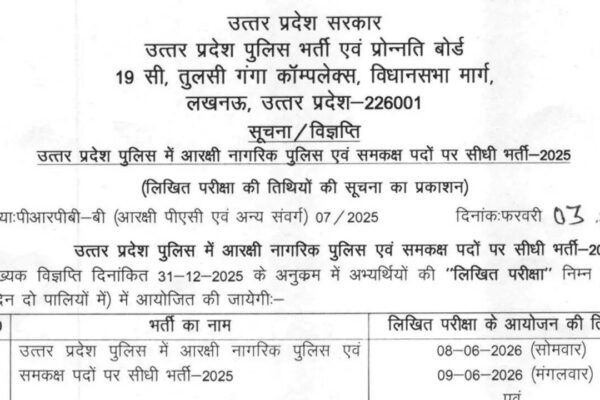
UPPBPB announces written exam dates for UP Police constable recruitment 2026 The Uttar Pradesh Police Recruitment and Promotion Board has published information regarding the written examination dates for the ongoing direct recruitment of Constable Civil Police and equivalent posts in the Uttar Pradesh Police. The notification is in connection with the recruitment drive that was…

Read More
Priyanka Chopra teases ‘Don 3’ and ‘Krrish 4’ ahead of RETURN to Indian cinema after Hollywood films

Priyanka Chopra teases ‘Don 3’ and ‘Krrish 4’ ahead of RETURN to Indian cinema after Hollywood films

Priyanka Chopra has fuelled excitement around her long-awaited return to Indian cinema with director SS Rajamouli’s ‘Varanasi’, that will see her co-starring opposite actor Mahesh Babu. The actress, who was in the country last year for the trailer launch, got candid about her return to Indian cinema. In a newly released interview, she spilled the…

Read More
Leo Horoscope Today, February 04, 2026: Strain from screens or dust can trouble you

Leo Horoscope Today, February 04, 2026: Strain from screens or dust can trouble you

Prepare for a delightful day of togetherness, filled with familial hugs and meaningful dialogues. Let your voice echo with compassion, nurturing connections around you. On the financial front, delightful news may pop up, yet tread carefully with your wallet. Give your eyes some relaxation and think twice before making any purchases. A rejuvenating stroll can…

Read More
Adani arm ties up with Italian firm to build copters in India

Adani arm ties up with Italian firm to build copters in India

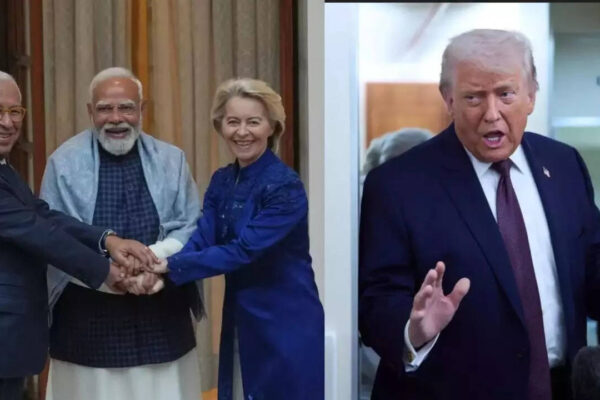
NEW DELHI: Just days after the Indo-EU trade and defence deal, Italian defence major Leonardo, which offers helicopter products and services globally, and Adani Defence and Aerospace on Tuesday announced a strategic partnership by signing an MoU to establish an integrated helicopter manufacturing ecosystem in India. The manufacturing ecosystem will seek to address the demands…

Read More
Four masked gunmen, disabled security cameras: How Muammar Gaddafi’s son Saif al‑Islam was assassinated in Libya

Four masked gunmen, disabled security cameras: How Muammar Gaddafi’s son Saif al‑Islam was assassinated in Libya

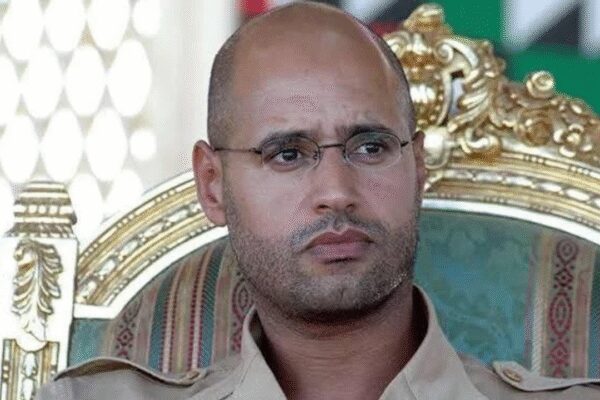
Saif al‑Islam Gaddafi, the second‑eldest son of former Libyan leader Muammar Gaddafi, has been killed in Libya, Libyan officials and family sources confirmed on Tuesday. He was 53.Libyan media, his lawyer Khaled el‑Zaydi, and political representatives confirmed that Saif al‑Islam was assassinated in his home in Zintan, a town in north‑western Libya. According to a…

Read More
Representative image Despite collecting a cess specifically for health, the Centre’s spending on health is now lower than it was before the cess was imposed, both as a share of the total budget and as a proportion of the GDP.Before the health cess was introduced in 2018, the allocation for health was 2.4% of total govt expenditure in 2017-18. In the Budget Estimates for 2026-27, that is down to 1.9%. As a proportion of the GDP, the decline is from 0.28% to 0.26%. Money collected as health cess amounts to over 30% of the allocation for health and family welfare in 2026-27. Without the cess component, health would have accounted for just 1.3% of the total Budget, barely over half of the figure in 2017-18. 0.5 percentage point fall in 10 yearsWhen the health cess was introduced, the understanding was that it would boost health expenditure by topping up what the govt was already allocating. Clearly, that has not happened. Instead, cess is masking what would otherwise be a steep cut in the share of health in total Budget and in GDP. From 0.32% of the GDP in 2019, the year before Covid struck, the share has fallen to 0.27% even with the cess component. Remove the cess component and the share of health in the GDP is 0.18%. The target of the National Health Policy was 2.5% of the GDP by 2025 of which 35% was supposed to be the share of central govt, which works out to 0.9% of the GDP or Rs 3.5 lakh, over three times the current allocation.If we were to strip the cess money off the revised Budget allocation for 2025-26 which was Rs 92,926 crore, it would be Rs 78,279 crore. Do the same for the 2026-27 allocation and it falls to Rs 70,984 crore, which is 9.3% lower than the 2025-26 revised allocation without cess.We could look at it differently. If govt were to allocate the same share (2.4%) of the total Budget as it did in 2017, the allocation this year would have been Rs 1.2 lakh crore without the cess. Instead, even with cess the allocation has been just Rs 1 lakh crore.“The health and education cess flatters the health allocation without increasing allocation from the consolidated fund. Cess money flows from a reserve fund outside the regular Budget process, with no outcome monitoring requirements. Moreover, cess requires no parliamentary accountability. You create the impression of increased Budget allocation but in reality, states have no claim on cess. It is entirely the discretion of the central govt,” said economist Dr Varna Sri Raman.In 2018, then finance minister Arun Jaitley introduced the health cess, saying the 3% education cess was being increased to 4% health and education cess “in order to take care of the needs of education and health of BPL and rural families”. “Though it is assumed the additional 1% is for health, the Finance Act doesn’t prescribe how the 4% is to be divided between health and education. Central govt decides each year how much goes into Pradhan Mantri Swasthya Suraksha Nidhi (PMSSN) which is a fund created to hold the health component of the cess,” said Sri Raman. PMSSN was only created in 2021, two years after the cess was introduced.“The health cess collected from 2018-19 and 2019-20 went into the general revenues. That’s roughly Rs 20,600 crore collected in the name of health that went into general revenues with no earmarking,” she added.End of ArticleFollow Us On Social MediaVideos’India-US Trade Deal Removes Competitive Disadvantage’: Former Indian Envoy To WashingtonIndia-US Trade Deal: Trump Says India Won’t Buy Russian Oil; Rahul Gandhi Accuses PM of Selling Out’Symbol Of Negativity’: Goyal Rains Fire On Rahul Gandhi After US-India Trade Deal, Parl RuckusIndia-US Trade Deal: Moscow Contradicts Trump’s Claim On New Delhi ‘Stopping’ Russian Oil Imports’Called Me Yaar, Threw Papers’: TDP MP Tenneti Slams Eight Suspended Lok Sabha MPs’Dairy, Agriculture Protected’: Piyush Goyal Outlines ‘Historic’ US-India Trade Deal, Lauds PM ModiBudget 2026: Defence Expert Flags Committed Liabilities, Calls For Battlefield TransparencyPak Defence Minister Khawaja Asif Admits Terror Rooted In Corruption, Vindicates India In ParliamentGold, Silver Under Pressure After Peaks: Should You Invest And Hold Precious Metals Or Sell Off?India Moves To Secure Chicken’s Neck As Underground Rail Project Targets Strategic Vulnerabilities123PhotostoriesHow to make dhaba-style dal makhani at homeValentine Week 2026: Full list of important dates (7 Feb to 14 Feb) plus bonus Anti Valentine Week 2026 datesThere are only 6 countries whose names begin with the letter ‘U’Archana Puran Singh and Parmeet Sethi’s love story: From a ‘fling’ to three decades of togethernessA look into Yuvika Chaudhary and Prince Narula’s parenthood journeyFrom prehistoric sharks to unusual flowers: What’s inside the world’s largest cave6 common mistakes people make while cooking cauliflower6 luxury electric cars that blend sustainability with opulence‘Love Island’, ‘Love Is Blind’, and more: Reality TV couples who are still together in 2026Diljit Dosanjh makes Indian-style Masala Bread Omelette and we are absolutely loving it123Hot PicksBudget 2026Gold Silver PricesCigarette Prices HikeIndia US TradeIncome Tax CalculatorPublic holidays February 2026Bank Holidays februaryTop TrendingArtemi PanarinMLB Trade RumorsAyesha CurryKayla NicoleNHL Injury UpdatePuka NacuaRussell WilsonDenver Nuggets vs Detroit PistonsNikola JokicGold Riyadh Players Ranking

Representative image Despite collecting a cess specifically for health, the Centre’s spending on health is now lower than it was before the cess was imposed, both as a share of the total budget and as a proportion of the GDP.Before the health cess was introduced in 2018, the allocation for health was 2.4% of total govt expenditure in 2017-18. In the Budget Estimates for 2026-27, that is down to 1.9%. As a proportion of the GDP, the decline is from 0.28% to 0.26%. Money collected as health cess amounts to over 30% of the allocation for health and family welfare in 2026-27. Without the cess component, health would have accounted for just 1.3% of the total Budget, barely over half of the figure in 2017-18. 0.5 percentage point fall in 10 yearsWhen the health cess was introduced, the understanding was that it would boost health expenditure by topping up what the govt was already allocating. Clearly, that has not happened. Instead, cess is masking what would otherwise be a steep cut in the share of health in total Budget and in GDP. From 0.32% of the GDP in 2019, the year before Covid struck, the share has fallen to 0.27% even with the cess component. Remove the cess component and the share of health in the GDP is 0.18%. The target of the National Health Policy was 2.5% of the GDP by 2025 of which 35% was supposed to be the share of central govt, which works out to 0.9% of the GDP or Rs 3.5 lakh, over three times the current allocation.If we were to strip the cess money off the revised Budget allocation for 2025-26 which was Rs 92,926 crore, it would be Rs 78,279 crore. Do the same for the 2026-27 allocation and it falls to Rs 70,984 crore, which is 9.3% lower than the 2025-26 revised allocation without cess.We could look at it differently. If govt were to allocate the same share (2.4%) of the total Budget as it did in 2017, the allocation this year would have been Rs 1.2 lakh crore without the cess. Instead, even with cess the allocation has been just Rs 1 lakh crore.“The health and education cess flatters the health allocation without increasing allocation from the consolidated fund. Cess money flows from a reserve fund outside the regular Budget process, with no outcome monitoring requirements. Moreover, cess requires no parliamentary accountability. You create the impression of increased Budget allocation but in reality, states have no claim on cess. It is entirely the discretion of the central govt,” said economist Dr Varna Sri Raman.In 2018, then finance minister Arun Jaitley introduced the health cess, saying the 3% education cess was being increased to 4% health and education cess “in order to take care of the needs of education and health of BPL and rural families”. “Though it is assumed the additional 1% is for health, the Finance Act doesn’t prescribe how the 4% is to be divided between health and education. Central govt decides each year how much goes into Pradhan Mantri Swasthya Suraksha Nidhi (PMSSN) which is a fund created to hold the health component of the cess,” said Sri Raman. PMSSN was only created in 2021, two years after the cess was introduced.“The health cess collected from 2018-19 and 2019-20 went into the general revenues. That’s roughly Rs 20,600 crore collected in the name of health that went into general revenues with no earmarking,” she added.End of ArticleFollow Us On Social MediaVideos’India-US Trade Deal Removes Competitive Disadvantage’: Former Indian Envoy To WashingtonIndia-US Trade Deal: Trump Says India Won’t Buy Russian Oil; Rahul Gandhi Accuses PM of Selling Out’Symbol Of Negativity’: Goyal Rains Fire On Rahul Gandhi After US-India Trade Deal, Parl RuckusIndia-US Trade Deal: Moscow Contradicts Trump’s Claim On New Delhi ‘Stopping’ Russian Oil Imports’Called Me Yaar, Threw Papers’: TDP MP Tenneti Slams Eight Suspended Lok Sabha MPs’Dairy, Agriculture Protected’: Piyush Goyal Outlines ‘Historic’ US-India Trade Deal, Lauds PM ModiBudget 2026: Defence Expert Flags Committed Liabilities, Calls For Battlefield TransparencyPak Defence Minister Khawaja Asif Admits Terror Rooted In Corruption, Vindicates India In ParliamentGold, Silver Under Pressure After Peaks: Should You Invest And Hold Precious Metals Or Sell Off?India Moves To Secure Chicken’s Neck As Underground Rail Project Targets Strategic Vulnerabilities123PhotostoriesHow to make dhaba-style dal makhani at homeValentine Week 2026: Full list of important dates (7 Feb to 14 Feb) plus bonus Anti Valentine Week 2026 datesThere are only 6 countries whose names begin with the letter ‘U’Archana Puran Singh and Parmeet Sethi’s love story: From a ‘fling’ to three decades of togethernessA look into Yuvika Chaudhary and Prince Narula’s parenthood journeyFrom prehistoric sharks to unusual flowers: What’s inside the world’s largest cave6 common mistakes people make while cooking cauliflower6 luxury electric cars that blend sustainability with opulence‘Love Island’, ‘Love Is Blind’, and more: Reality TV couples who are still together in 2026Diljit Dosanjh makes Indian-style Masala Bread Omelette and we are absolutely loving it123Hot PicksBudget 2026Gold Silver PricesCigarette Prices HikeIndia US TradeIncome Tax CalculatorPublic holidays February 2026Bank Holidays februaryTop TrendingArtemi PanarinMLB Trade RumorsAyesha CurryKayla NicoleNHL Injury UpdatePuka NacuaRussell WilsonDenver Nuggets vs Detroit PistonsNikola JokicGold Riyadh Players Ranking

Despite collecting a cess specifically for health, the Centre’s spending on health is now lower than it was before the cess was imposed, both as a share of the total budget and as a proportion of the GDP.Before the health cess was introduced in 2018, the allocation for health was 2.4% of total govt expenditure…

Read More
US H-1B visa cap 2027 shifts to wage weighted selection: What you need to know and who benefits most

US H-1B visa cap 2027 shifts to wage weighted selection: What you need to know and who benefits most

USCIS changes H-1B visa cap rules with higher wage priority United States Citizenship and Immigration Services (USCIS) will open the initial registration period for the US H-1B visa cap for fiscal year 2027, setting out changes that alter how skilled worker visas are selected. Employers seeking to sponsor foreign workers will be required to submit…

Read More
Heeramandi actor Jason Shah slams growing violence in films like Dhurandhar and Toxic, flags religion and politics’ influence on cinema

Heeramandi actor Jason Shah slams growing violence in films like Dhurandhar and Toxic, flags religion and politics’ influence on cinema

Jason Shah, who was recently seen as Officer Cartwright in Sanjay Leela Bhansali’s Heeramandi, has expressed strong disapproval of the growing violence in mainstream cinema, citing films like Yash’s Toxic and Ranveer Singh-starrer Dhurandhar. The actor also questioned the audience’s sensibilities and their willingness to consume increasingly violent content.In an interview with Screen, Jason spoke…

Read More