Sentinel 6B launched by NASA satellite to boost climate monitoring

Sentinel 6B launched by NASA satellite to boost climate monitoring

With the launch of Sentinel-6B, a new environmental monitoring satellite developed as part of a multibillion-dollar worldwide program, NASA has made a major advancement in its long-term climate monitoring mission. Launched in mid-November atop a SpaceX rocket, the satellite is expected to provide highly precise data on sea-level rise and atmospheric conditions, letting scientists follow…

Read More
Watch: Newly built NH 66 embankment collapses in Kerala; school bus, other vehicles trapped

Watch: Newly built NH 66 embankment collapses in Kerala; school bus, other vehicles trapped

Newly built NH 66 embankment collapses in Kerala KOLLAM: A newly built section of National Highway 66 at Mylakkadu in Adichanalloor panchayat, near Kottiyam, Kollam, suffered a major embankment failure on Friday, raising serious concerns over the safety and stability of the ongoing highway construction in the state. The collapse occurred around 3.30pm along the…

Read More
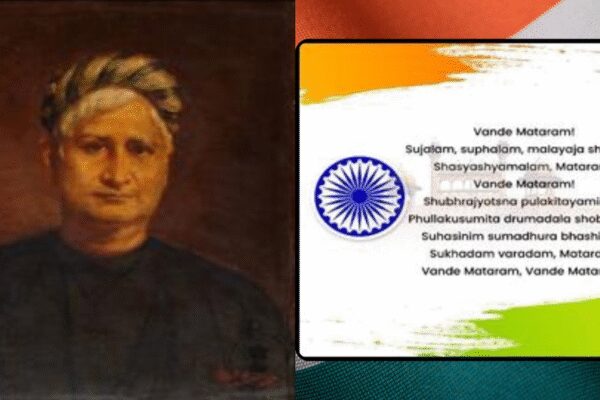
Bankim Chandra Chatterjee (Image credit: PIB) Parliament will begin a special discussion in the Lok Sabha on Monday to commemorate 150 years of Vande Mataram, a song that remains one of the most debated symbols of India’s freedom struggle.Prime Minister Narendra Modi will open the debate, with defence minister Rajnath Singh scheduled to conclude it. The BJP has been given three hours in the Lok Sabha, the total debate will span nearly ten hours. The Rajya Sabha will hold its discussion the next day, to be opened by Union home minister Amit Shah.The commemoration is not merely ceremonial. It arrives amid renewed political sparring over the song’s historical evolution, religious imagery, and the choices made by India’s pre-independence national leadership. What began as a patriotic hymn in a Bengali novel is once again a focal point of fierce political messaging, competing historical narratives, and questions about national identity.This explainer traces the 150-year journey of Vande Mataram—from its birth in Bankimchandra Chattopadhyay’s writing to its role in nationalism, the Congress’s 1937 decision to officially use only its first two stanzas, and its recognition in the Constituent Assembly as having “equal honour and status” with the National Anthem. Why it’s in the news nowThe upcoming debate is part of a special parliamentary focus on the legacy of Vande Mataram. But the political temperature was raised last month, during the commemoration event of 150 years of the national song, when Prime Minister Modi accused the Congress of having “removed important stanzas” from the original song during its 1937 Faizabad session, claiming this decision “sowed the seeds of partition.”According to the Prime Minister, the Congress’s move amounted to breaking the national song into pieces—an act that abandoned its original spirit and undermined unity. He has framed the issue within his broader narrative of ‘Viksit Bharat’, tying cultural heritage to national development. The Congress hit back immediately. Citing The Collected Works of Mahatma Gandhi (Vol66, p46), the party argued that the 1937 decision was not an act of division, but a sensitive accommodation recommended by a Working Committee that included Mahatama Gandhi, Jawaharlal Nehru, Sardar Patel, Subhas Chandra Bose, Rajendra Prasad, Abul Kalam Azad, Sarojini Naidu, and other iconic leaders. The CWC noted that the first two stanzas were already the only widely sung and nationally recognised part, while the remaining contained religious imagery that some citizens objected to.The Congress also emphasised that the decision drew from the advice of Rabindranath Tagore, who had himself sung Vande Mataram at the 1896 Congress session.In its rebuttal, the party accused the prime minister of attacking the legacy of India’s freedom movement while avoiding present-day issues such as unemployment, inequality, and foreign policy challenges.This political exchange has made the upcoming parliamentary debate all the more charged.Origins of Bande Mataram (1870s–1880s)The PIB’s historical account helps clarify the origins of the song. According to Sri Aurobindo’s writing in the English daily Bande Mataram (16 April 1907), Bankimchandra Chattopadhyay composed the song around 1875. It was published more widely when Bankim’s novel Anandamath began serialization in the Bengali magazine Bangadarshan in March–April 1881.Song’s literary context: AnandamathAnandamath is built around a group of ascetic warriors, the Santanas, who dedicate themselves to freeing the motherland from oppression. Their devotion is entirely to Bharat Mata, envisioned not as a religious deity but as a personified motherland.In the temple of the Santanas stand three images of the Mother:The Mother that was – glorious and mightyThe Mother that is – suffering and oppressedThe Mother that will be – restored to strength and gloryFor Aurobindo, the hymn embodied the essence of “the religion of patriotism.”Many later critics, however, would argue that the imagery—particularly in the later stanzas—draws from Hindu goddess symbolism that may not be inclusive of all communities. From song to slogan: Birth of a nationalist cry (1900–1910)By the early 20th century, Vande Mataram had escaped its literary origins and become one of the most electrifying symbols of Indian nationalism.Swadeshi and anti-partition movementAfter Lord Curzon’s 1905 partition of Bengal, the song became the rallying cry for:Boycott movementsProtest marchesNewspapers and political groups carrying its nameIn 1906, at Barisal, more than 10,000 Hindus and Muslims together marched shouting Vande Mataram—a testament to its early cross-communal appeal.Figures who popularised it included:Rabindranath TagoreBipin Chandra PalSri AurobindoAurobindo’s writings in Bande Mataram (the newspaper) turned the phrase into a political and spiritual exhortation for self-rule. British repressionAlarmed by its galvanising effect, the colonial government tried repeatedly to suppress it through:Fines for studentsPolice lathi-chargesBans on marchesThreats of expulsion from schools and collegesFrom Bengal to Bombay Presidency, chanting Vande Mataram became synonymous with nationalist defiance.In 1907, Madam Bhikaji Cama unfurled the first tricolour abroad—in Stuttgart—with the words Vande Mataram emblazoned across it.The song and the Indian National CongressThe Congress adopted Vande Mataram not just culturally, but ceremonially.1896 —First Congress rendition: At the Calcutta session, Rabindranath Tagore sang the song, giving it national prominence.1905 — Nationwide adoption: At the Varanasi session, the Congress formally adopted Vande Mataram for all-India occasions. This was during the peak of the Swadeshi struggle, when the song had become the soundtrack of political awakening.1937 CWC decision: Were the stanzas removed?Yes.By the 1930s, debates around the song’s religious imagery had become politically relevant. India’s nationalist leadership wanted to keep the movement inclusive, and Muslim leaders raised objections to certain stanzas that invoked Hindu goddesses.Did it ‘sow seeds of partition’?No.The CWC’s decision was more inclusive than divisive in nature.The eventual decision to restrict Vande Mataram to its first two stanzas drew directly from this history of selective popular usage. As the Committee noted, only the opening verses — celebrating the land’s beauty and abundance in gentle, inclusive imagery — had organically acquired national significance over the decades. The remaining stanzas were scarcely known, rarely sung, and contained religious allusions and ideological references that many felt were inconsistent with the beliefs of other communities. The CWC explicitly acknowledged the “validity of the objections raised by Muslim friends” to those portions. While emphasising that the song’s modern, unifying role in national life mattered far more than its origins in a historical novel, the committee concluded that only the first two stanzas should be sung at national gatherings. This, they argued, preserved the unifying spirit the song had come to embody while avoiding elements that could alienate sections of India’s diverse society.What the 1937 CWC actually saidThe CWC’s statement, issued between October 26–November 1 in Kolkata, recorded:The first two stanzas had become widely used and carried no controversial imagery.The remaining stanzas contained “allusions and a religious ideology” inconsistent with the beliefs of other religious groups.Only the first two stanzas should be sung at national gatherings.Organisers were free to choose additional songs if they wished.The committee explicitly said that the modern national use of the first two stanzas was more important than the song’s original placement in a religiously infused novel.Tagore had long argued that when a cultural symbol is used nationally, it must not exclude or alienate. His views shaped the committee’s decision and remain central to the Congress’s defence today. Constituent assembly: Equal honour, equal status (1950)When the Constituent Assembly met to choose India’s national symbols, there was no dispute between Jana Gana Mana and Vande Mataram.In his statement on January 24, 1950, DrRajendra Prasad, President of the Assembly, declared:Jana Gana Mana would be the national anthem.Vande Mataram, because of its historic role, would be honoured equally and accorded equal status.There was applause; no member raised objections.This dual recognition was meant to preserve both inclusivity and historical memory: the anthem would represent national unity, while Vande Mataram’s legacy would be canonised as part of India’s freedom story. The debate todayWhy is the BJP reviving the issue?For the ruling party, Vande Mataram is a civilizational invocation that predates partisan politics. The BJP frames the 1937 Congress decision as overly accommodative, even compromising, and often ties this critique to a larger argument about “appeasement.”In the government’s view, celebrating 150 years of the song is part of a project to reaffirm cultural pride and national self-confidence.Why is the Congress defensive?The Congress insists it is the party that first elevated the song, sang it at historic moments, and fought the British under its banner. It argues that:The 1937 decision was guided by inclusivity, not division.The BJP is weaponising history to distract from contemporary governance failures.Tagore and the freedom movement need protecting from political revisionism.What Jamiat Ulama-i-Hind has to sayThe Jamiat Ulama-i-Hind, led by Maulana Mahmood Madani, has taken a clear and consistent position on the Vande Mataram debate: it accepts the first two stanzas as historically validated for national use but firmly rejects the remaining verses on theological grounds. Madani argued that the full composition contains imagery — particularly the depiction of the motherland as the goddess Durga — that conflicts with Islamic monotheism, making it impermissible for Muslims to recite.”He stated that Vande Mataram in its complete form is rooted in shirkiya aqaaid (polytheistic beliefs). Particularly, in the remaining four stanzas, the motherland is depicted as the goddess Durga and addressed with words of worship — concepts that clearly conflict with the Islamic belief in the oneness of God. ‘Muslims believe in one God and worship Him alone,’ Maulana Madani said. ‘Therefore, singing verses that ascribe divinity to anyone other than Allah goes against our faith and conscience,'” a statement by Jamiat said.End of ArticleFollow Us On Social MediaVideos”World Saw What Happened To Terrorists…” Rajnath says Strong Borders Powered Op Sindoor successIndiGo Fiasco: Civil Aviation Minister Slams Rahul Gandhi’s ‘Monopoly Model’ RemarkWATCH: Newly Built NH 66 Stretch Collapses In Kerala’s Kollam; School Bus, Other Vehicles Trapped‘Nothing Wrong In It’: Congress MP Shashi Tharoor On PM Modi Gifting Bhagavad Gita To Putin’I Regret That…’: Congress MP Shashi Tharoor On No Invite To Rahul, Kharge For Putin DinnerGoa: 23 Killed In Arpora Nightclub Fire; Cylinder Blast Suspected, CM Sawant Vows Strict Action’Maligning Hindu Way Of Life’: PM Modi Calls Out Colonial Mindset Over ‘Hindu Rate Of Growth’ LabelUP CM Yogi Slams Parties ‘Insulting Babasaheb’s Legacy’, Announces Security For Ambedkar Statues’Engaging Atmosphere Reigned’: Shashi Tharoor After State Dinner With Russian President Putin’Sab Jagah Pohchenge’: Yogi Adityanath On What’s Next After Ram Temple, ‘Kashi-Mathura’ Slogan123Photostories10 good morning wishes kids should be encouraged to use in familyBengaluru’s Namma Metro Push: Karnataka Forms High-Level Monitoring Group to Keep Blue Line on 2026 TrackMadurai Set to Unclog Gridlock as Velunachiyar Flyover Opens, Promising Major Speed Boost for Commuters10 lessons of Swami Vivekananda for successHina Khan, Sonali Bendre, Tahira Kashyap: Celebrities who turned their cancer battles into inspiring journeysNew NH-66 Stretch in Kerala Caves In, Triggering Major Safety Concerns in Kollam (In Photos)’Bigg Boss’ winners list from season 1 to 18: Rahul Roy to Karan Veer Mehra10 countries with the highest quality of life in 2025, and what makes them stand out10 foods that prevent bloating and gas5 times Aishwarya Rai Bachchan set examples for modern moms123Hot PicksIndigo Flight DelayPutin India VisitWorld NewsGold rate todaySilver rate todayPublic Holidays NovemberBank Holidays NovemberTop TrendingGautam GambhirThe God Slayer Release DateRohit SharmaCandace OwensAryna Sabalenka Net WorthTim PoolAaron RodgersVirat KohliNarela Girl Sexually AssaultedBengaluru News

Bankim Chandra Chatterjee (Image credit: PIB) Parliament will begin a special discussion in the Lok Sabha on Monday to commemorate 150 years of Vande Mataram, a song that remains one of the most debated symbols of India’s freedom struggle.Prime Minister Narendra Modi will open the debate, with defence minister Rajnath Singh scheduled to conclude it. The BJP has been given three hours in the Lok Sabha, the total debate will span nearly ten hours. The Rajya Sabha will hold its discussion the next day, to be opened by Union home minister Amit Shah.The commemoration is not merely ceremonial. It arrives amid renewed political sparring over the song’s historical evolution, religious imagery, and the choices made by India’s pre-independence national leadership. What began as a patriotic hymn in a Bengali novel is once again a focal point of fierce political messaging, competing historical narratives, and questions about national identity.This explainer traces the 150-year journey of Vande Mataram—from its birth in Bankimchandra Chattopadhyay’s writing to its role in nationalism, the Congress’s 1937 decision to officially use only its first two stanzas, and its recognition in the Constituent Assembly as having “equal honour and status” with the National Anthem. Why it’s in the news nowThe upcoming debate is part of a special parliamentary focus on the legacy of Vande Mataram. But the political temperature was raised last month, during the commemoration event of 150 years of the national song, when Prime Minister Modi accused the Congress of having “removed important stanzas” from the original song during its 1937 Faizabad session, claiming this decision “sowed the seeds of partition.”According to the Prime Minister, the Congress’s move amounted to breaking the national song into pieces—an act that abandoned its original spirit and undermined unity. He has framed the issue within his broader narrative of ‘Viksit Bharat’, tying cultural heritage to national development. The Congress hit back immediately. Citing The Collected Works of Mahatma Gandhi (Vol66, p46), the party argued that the 1937 decision was not an act of division, but a sensitive accommodation recommended by a Working Committee that included Mahatama Gandhi, Jawaharlal Nehru, Sardar Patel, Subhas Chandra Bose, Rajendra Prasad, Abul Kalam Azad, Sarojini Naidu, and other iconic leaders. The CWC noted that the first two stanzas were already the only widely sung and nationally recognised part, while the remaining contained religious imagery that some citizens objected to.The Congress also emphasised that the decision drew from the advice of Rabindranath Tagore, who had himself sung Vande Mataram at the 1896 Congress session.In its rebuttal, the party accused the prime minister of attacking the legacy of India’s freedom movement while avoiding present-day issues such as unemployment, inequality, and foreign policy challenges.This political exchange has made the upcoming parliamentary debate all the more charged.Origins of Bande Mataram (1870s–1880s)The PIB’s historical account helps clarify the origins of the song. According to Sri Aurobindo’s writing in the English daily Bande Mataram (16 April 1907), Bankimchandra Chattopadhyay composed the song around 1875. It was published more widely when Bankim’s novel Anandamath began serialization in the Bengali magazine Bangadarshan in March–April 1881.Song’s literary context: AnandamathAnandamath is built around a group of ascetic warriors, the Santanas, who dedicate themselves to freeing the motherland from oppression. Their devotion is entirely to Bharat Mata, envisioned not as a religious deity but as a personified motherland.In the temple of the Santanas stand three images of the Mother:The Mother that was – glorious and mightyThe Mother that is – suffering and oppressedThe Mother that will be – restored to strength and gloryFor Aurobindo, the hymn embodied the essence of “the religion of patriotism.”Many later critics, however, would argue that the imagery—particularly in the later stanzas—draws from Hindu goddess symbolism that may not be inclusive of all communities. From song to slogan: Birth of a nationalist cry (1900–1910)By the early 20th century, Vande Mataram had escaped its literary origins and become one of the most electrifying symbols of Indian nationalism.Swadeshi and anti-partition movementAfter Lord Curzon’s 1905 partition of Bengal, the song became the rallying cry for:Boycott movementsProtest marchesNewspapers and political groups carrying its nameIn 1906, at Barisal, more than 10,000 Hindus and Muslims together marched shouting Vande Mataram—a testament to its early cross-communal appeal.Figures who popularised it included:Rabindranath TagoreBipin Chandra PalSri AurobindoAurobindo’s writings in Bande Mataram (the newspaper) turned the phrase into a political and spiritual exhortation for self-rule. British repressionAlarmed by its galvanising effect, the colonial government tried repeatedly to suppress it through:Fines for studentsPolice lathi-chargesBans on marchesThreats of expulsion from schools and collegesFrom Bengal to Bombay Presidency, chanting Vande Mataram became synonymous with nationalist defiance.In 1907, Madam Bhikaji Cama unfurled the first tricolour abroad—in Stuttgart—with the words Vande Mataram emblazoned across it.The song and the Indian National CongressThe Congress adopted Vande Mataram not just culturally, but ceremonially.1896 —First Congress rendition: At the Calcutta session, Rabindranath Tagore sang the song, giving it national prominence.1905 — Nationwide adoption: At the Varanasi session, the Congress formally adopted Vande Mataram for all-India occasions. This was during the peak of the Swadeshi struggle, when the song had become the soundtrack of political awakening.1937 CWC decision: Were the stanzas removed?Yes.By the 1930s, debates around the song’s religious imagery had become politically relevant. India’s nationalist leadership wanted to keep the movement inclusive, and Muslim leaders raised objections to certain stanzas that invoked Hindu goddesses.Did it ‘sow seeds of partition’?No.The CWC’s decision was more inclusive than divisive in nature.The eventual decision to restrict Vande Mataram to its first two stanzas drew directly from this history of selective popular usage. As the Committee noted, only the opening verses — celebrating the land’s beauty and abundance in gentle, inclusive imagery — had organically acquired national significance over the decades. The remaining stanzas were scarcely known, rarely sung, and contained religious allusions and ideological references that many felt were inconsistent with the beliefs of other communities. The CWC explicitly acknowledged the “validity of the objections raised by Muslim friends” to those portions. While emphasising that the song’s modern, unifying role in national life mattered far more than its origins in a historical novel, the committee concluded that only the first two stanzas should be sung at national gatherings. This, they argued, preserved the unifying spirit the song had come to embody while avoiding elements that could alienate sections of India’s diverse society.What the 1937 CWC actually saidThe CWC’s statement, issued between October 26–November 1 in Kolkata, recorded:The first two stanzas had become widely used and carried no controversial imagery.The remaining stanzas contained “allusions and a religious ideology” inconsistent with the beliefs of other religious groups.Only the first two stanzas should be sung at national gatherings.Organisers were free to choose additional songs if they wished.The committee explicitly said that the modern national use of the first two stanzas was more important than the song’s original placement in a religiously infused novel.Tagore had long argued that when a cultural symbol is used nationally, it must not exclude or alienate. His views shaped the committee’s decision and remain central to the Congress’s defence today. Constituent assembly: Equal honour, equal status (1950)When the Constituent Assembly met to choose India’s national symbols, there was no dispute between Jana Gana Mana and Vande Mataram.In his statement on January 24, 1950, DrRajendra Prasad, President of the Assembly, declared:Jana Gana Mana would be the national anthem.Vande Mataram, because of its historic role, would be honoured equally and accorded equal status.There was applause; no member raised objections.This dual recognition was meant to preserve both inclusivity and historical memory: the anthem would represent national unity, while Vande Mataram’s legacy would be canonised as part of India’s freedom story. The debate todayWhy is the BJP reviving the issue?For the ruling party, Vande Mataram is a civilizational invocation that predates partisan politics. The BJP frames the 1937 Congress decision as overly accommodative, even compromising, and often ties this critique to a larger argument about “appeasement.”In the government’s view, celebrating 150 years of the song is part of a project to reaffirm cultural pride and national self-confidence.Why is the Congress defensive?The Congress insists it is the party that first elevated the song, sang it at historic moments, and fought the British under its banner. It argues that:The 1937 decision was guided by inclusivity, not division.The BJP is weaponising history to distract from contemporary governance failures.Tagore and the freedom movement need protecting from political revisionism.What Jamiat Ulama-i-Hind has to sayThe Jamiat Ulama-i-Hind, led by Maulana Mahmood Madani, has taken a clear and consistent position on the Vande Mataram debate: it accepts the first two stanzas as historically validated for national use but firmly rejects the remaining verses on theological grounds. Madani argued that the full composition contains imagery — particularly the depiction of the motherland as the goddess Durga — that conflicts with Islamic monotheism, making it impermissible for Muslims to recite.”He stated that Vande Mataram in its complete form is rooted in shirkiya aqaaid (polytheistic beliefs). Particularly, in the remaining four stanzas, the motherland is depicted as the goddess Durga and addressed with words of worship — concepts that clearly conflict with the Islamic belief in the oneness of God. ‘Muslims believe in one God and worship Him alone,’ Maulana Madani said. ‘Therefore, singing verses that ascribe divinity to anyone other than Allah goes against our faith and conscience,'” a statement by Jamiat said.End of ArticleFollow Us On Social MediaVideos”World Saw What Happened To Terrorists…” Rajnath says Strong Borders Powered Op Sindoor successIndiGo Fiasco: Civil Aviation Minister Slams Rahul Gandhi’s ‘Monopoly Model’ RemarkWATCH: Newly Built NH 66 Stretch Collapses In Kerala’s Kollam; School Bus, Other Vehicles Trapped‘Nothing Wrong In It’: Congress MP Shashi Tharoor On PM Modi Gifting Bhagavad Gita To Putin’I Regret That…’: Congress MP Shashi Tharoor On No Invite To Rahul, Kharge For Putin DinnerGoa: 23 Killed In Arpora Nightclub Fire; Cylinder Blast Suspected, CM Sawant Vows Strict Action’Maligning Hindu Way Of Life’: PM Modi Calls Out Colonial Mindset Over ‘Hindu Rate Of Growth’ LabelUP CM Yogi Slams Parties ‘Insulting Babasaheb’s Legacy’, Announces Security For Ambedkar Statues’Engaging Atmosphere Reigned’: Shashi Tharoor After State Dinner With Russian President Putin’Sab Jagah Pohchenge’: Yogi Adityanath On What’s Next After Ram Temple, ‘Kashi-Mathura’ Slogan123Photostories10 good morning wishes kids should be encouraged to use in familyBengaluru’s Namma Metro Push: Karnataka Forms High-Level Monitoring Group to Keep Blue Line on 2026 TrackMadurai Set to Unclog Gridlock as Velunachiyar Flyover Opens, Promising Major Speed Boost for Commuters10 lessons of Swami Vivekananda for successHina Khan, Sonali Bendre, Tahira Kashyap: Celebrities who turned their cancer battles into inspiring journeysNew NH-66 Stretch in Kerala Caves In, Triggering Major Safety Concerns in Kollam (In Photos)’Bigg Boss’ winners list from season 1 to 18: Rahul Roy to Karan Veer Mehra10 countries with the highest quality of life in 2025, and what makes them stand out10 foods that prevent bloating and gas5 times Aishwarya Rai Bachchan set examples for modern moms123Hot PicksIndigo Flight DelayPutin India VisitWorld NewsGold rate todaySilver rate todayPublic Holidays NovemberBank Holidays NovemberTop TrendingGautam GambhirThe God Slayer Release DateRohit SharmaCandace OwensAryna Sabalenka Net WorthTim PoolAaron RodgersVirat KohliNarela Girl Sexually AssaultedBengaluru News

Bankim Chandra Chatterjee (Image credit: PIB) Parliament will begin a special discussion in the Lok Sabha on Monday to commemorate 150 years of Vande Mataram, a song that remains one of the most debated symbols of India’s freedom struggle.Prime Minister Narendra Modi will open the debate, with defence minister Rajnath Singh scheduled to conclude it….

Read More
UPPRPB Home Guard recruitment 2025: Application correction window to open soon for 41,424 vacancies; read official notice here

UPPRPB Home Guard recruitment 2025: Application correction window to open soon for 41,424 vacancies; read official notice here

UPPRPB Home Guard recruitment 2025: The Uttar Pradesh Police Recruitment and Promotion Board (UPPRPB) has issued an important update for candidates who applied for the UP Home Guard recruitment 2025. As per the latest notice, applicants who submitted their online forms before December 1, 2025 and were unable to complete Point 15 – Declaration’s sub-points…

Read More
Ranveer Singh and Deepika Padukone are all smiles as they jet off for Formula 1 weekend amid ‘Dhurandhar’ success – PICS

Ranveer Singh and Deepika Padukone are all smiles as they jet off for Formula 1 weekend amid ‘Dhurandhar’ success – PICS

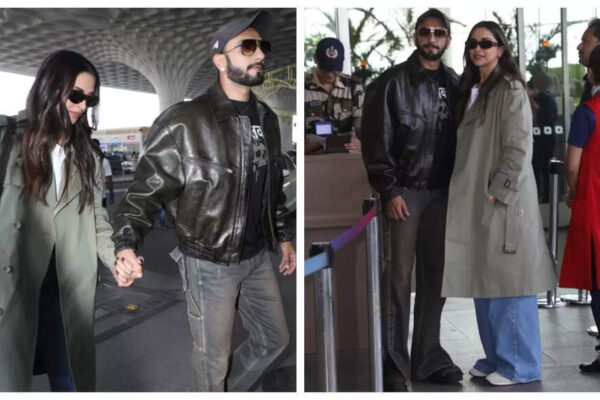
Ranveer Singh and wife Deepika Padukone made a stylish appearance at the airport on Sunday morning, as they headed to Abu Dhabi for the highly anticipated F1 weekend.Twinning in shades of brown, the star couple arrived at the airport in their swanky new car. Ranveer was seen playing the perfect gentleman as he walked over…

Read More
Virgo Weekly Shani Horoscope, December 8-14, 2025: Saturn’s grip tightens quietly, these zodiac signs must brace for disruption

Virgo Weekly Shani Horoscope, December 8-14, 2025: Saturn’s grip tightens quietly, these zodiac signs must brace for disruption

This week, Saturn encourages you to pull back from overexplaining yourself. You may have the habit of justifying your choices, calming others or carrying emotional responsibility that isn’t yours. The karmic lesson now is to keep things simple. Let your actions speak. Clarity comes when you stop trying to control how you are understood and…

Read More
Elon Musk ex-wife Talulah Riley remembers Christmas with Tesla CEO: He got up in the middle of the night and disappeared only to …

Elon Musk ex-wife Talulah Riley remembers Christmas with Tesla CEO: He got up in the middle of the night and disappeared only to …

Tesla CEO Elon Musk’ ex-wife Talulah Riley revealed how Musk managed to express his love for her despite the mounting pressures of running multiple companies. In a BBC series The Elon Musk Show in 2022, Riley described how Musk was overwhelmed by the pressure of running Tesla, SpaceX and SolarCity and realised late on Christmas…

Read More
UAE imposes penalties of up to Dh5,000 on businesses violating e-invoicing guidelines | World News

UAE imposes penalties of up to Dh5,000 on businesses violating e-invoicing guidelines | World News

Businesses in the UAE must comply with e-invoicing or face Dh5,000 penalties/Representative Image The UAE is setting a clear deadline for businesses to adopt electronic invoicing, with substantial penalties for delays or non-compliance. From July 2026, every invoice, credit note, and system notification will carry financial consequences, underscoring the government’s drive for accuracy, transparency, and…

Read More
Dec 07, 2025, 15:42 IST

Dec 07, 2025, 15:42 IST

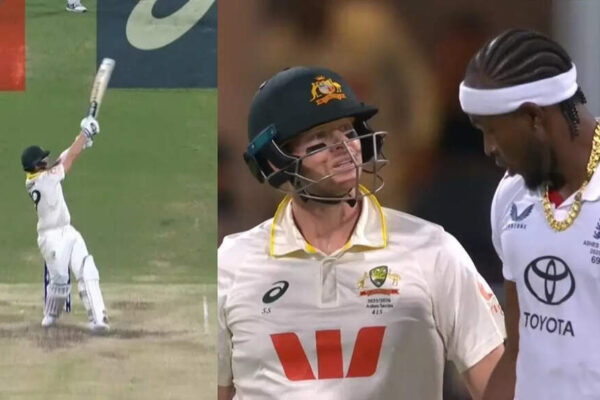
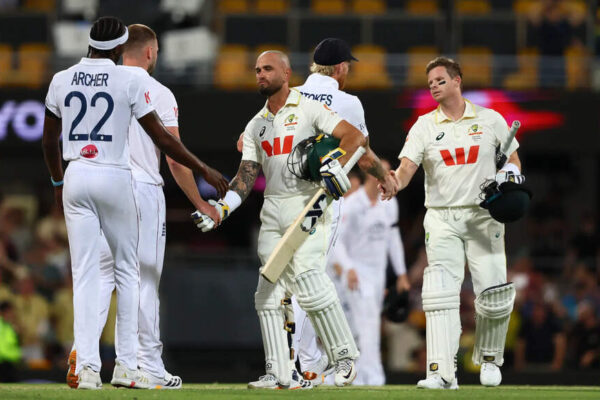
Australia powered to an eight-wicket win in the day-night second Test against England on Sunday to take a 2-0 lead in the Ashes series. England resumed day four on 134-6, trailing by 43 runs, before Ben Stokes (50) and Will Jacks (41) helped set a target of 65. Australia completed the chase with Steve Smith…

Read More
Dragon vs Eagle: Can US survive ‘China Shock 2.0’? India could soften blow

Dragon vs Eagle: Can US survive ‘China Shock 2.0’? India could soften blow

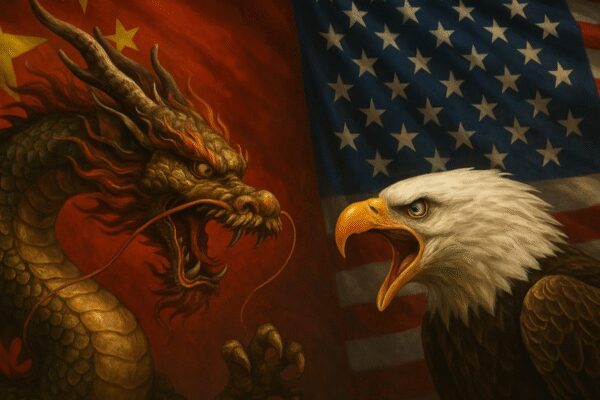
AI generated representative image In the early 2000s, American factory towns began to empty out. In North Carolina, furniture makers who had worked three generations watched their mills close. Across the industrial centres– from Jakarta to Ohio, a quiet devastation spread—not from war or natural disaster, but from an economic force few had anticipated.In the…

Read More
Paresh Rawal SLAMS Anupama Chopra after she calls Ranveer Singh’s review ‘exhausting and relentless’: ‘Aren’t you tired of being Miss Irrelevant?’

Paresh Rawal SLAMS Anupama Chopra after she calls Ranveer Singh’s review ‘exhausting and relentless’: ‘Aren’t you tired of being Miss Irrelevant?’

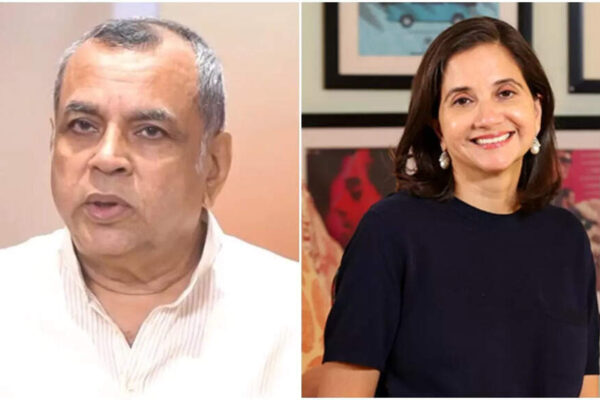
Paresh Rawal criticized journalist Anupama Chopra for her negative review of ‘Dhurandhar’. She described the film as an exhausting espionage thriller. Paresh replied sharply on X. Despite her critique, the film earned Rs 33 crore on day two and received praise from many viewers for its strong performances and music. Paresh Rawal sharply criticized journalist…

Read More
No more midnight emails, log out means log out: Right to Disconnect Bill explained

No more midnight emails, log out means log out: Right to Disconnect Bill explained

MP Supriya Sule has introduced the Right to Disconnect Bill, 2025, aiming to grant Indian employees a legal right to switch off after work without fear of reprisal. This bill addresses the growing issue of constant digital work pressure, burnout, and blurred work-life boundaries, seeking to restore healthier professional environments. Imagine finally logging out of…

Read More
Weekly Wealth Horoscope Predictions, December 07 to December 13, 2025: Your money luck for the week

Weekly Wealth Horoscope Predictions, December 07 to December 13, 2025: Your money luck for the week

Aries This week brings a steady sense of financial clarity. A recent decision regarding your money begins to show positive signs, boosting your confidence in resource management. You may notice a small yet meaningful improvement in income or savings, and something you have been monitoring could finally turn into a profitable opportunity. Practical decisions will…

Read More
Smriti Mandhana and Palash Muchhal wedding cancelled: Complete timeline of events

Smriti Mandhana and Palash Muchhal wedding cancelled: Complete timeline of events

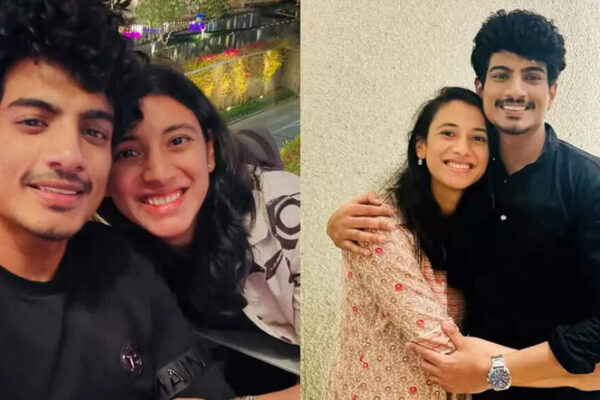
Smriti Mandhana and Palash Muchhal (Image credit: Instagram) NEW DELHI: Smriti Mandhana has officially confirmed that her wedding with music composer Palash Muchhal has been “called off”, putting an end to weeks of speculation and social media discussions. The Indian women’s team vice-captain shared a statement on Instagram, marking her first public acknowledgment of the…

Read More
Dec 07, 2025, 15:28 IST

Dec 07, 2025, 15:28 IST

Australia’s Jake Weatherald, front, and Australia’s captain Steve Smith shake hands with England’s players after winning the second Ashes cricket test match (AP Photo/Tertius Pickard) Australia secured a commanding eight-wicket victory over England in the day-night second Ashes Test at Brisbane on Sunday, taking a 2-0 series lead. The hosts efficiently chased down the target…

Read More
FPI selling continues: Rs 11,820 crore offloaded in December first week; total 2025 outflow touches Rs 1.55 lakh crore

FPI selling continues: Rs 11,820 crore offloaded in December first week; total 2025 outflow touches Rs 1.55 lakh crore

Foreign investors started December on a sharply negative note, pulling out Rs 11,820 crore from the Indian equities in the first week. This offloading by the foreign portfolio investors was majorly driven by the steep decline of the rupee. This comes after the FPIs had briefly returned to buying in October, bringing in Rs 14,610…

Read More
Shah Rukh Khan delves into being the next Bond; credits Kajol for his romantic film streak: ‘I don’t have the accent’

Shah Rukh Khan delves into being the next Bond; credits Kajol for his romantic film streak: ‘I don’t have the accent’

Bollywood star Shah Rukh Khan was asked if he would be the next James Bond after Daniel Craig’s farewell in No Time To Die. Shah Rukh joked about lacking the accent and preferring romantic films with Kajol. His recent hits include Dunki and award-winning Jawan. Next up is King with daughter Suhana Khan. Daniel Craig’s…

Read More
5 Liver health myths you should stop believing

5 Liver health myths you should stop believing

The belief that avoiding alcohol protects the liver completely, proves incorrect because non-alcoholic fatty liver disease develops from obesity, diabetes and processed food consumption, which affects both drinkers and non-drinkers equally. The accumulation of fat in the body leads to inflammation and scarring, that occurs independently of any alcohol consumption. Research conducted worldwide shows NAFLD…

Read More