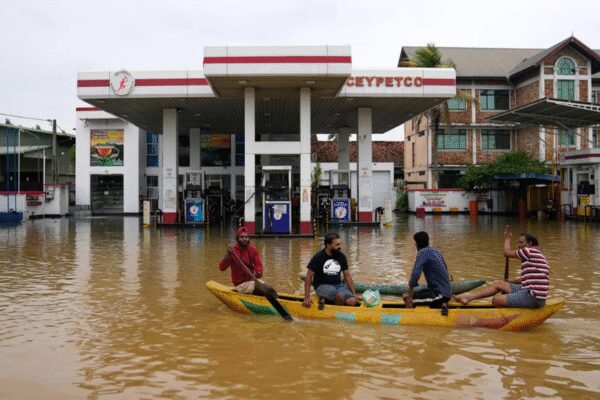
Sri Lanka declares state of emergency: Death toll tops 132 with 176 still missing; seeks international aid

Sri Lanka declares state of emergency: Death toll tops 132 with 176 still missing; seeks international aid

Sri Lanka declared a state of emergency on Saturday and sought international assistance as the death toll from Cyclone Ditwah’s rains and floods climbed to 132, with 176 people still missing.The extreme weather system has destroyed more than 15,000 homes and forced 78,000 people into state-run temporary shelters, the Disaster Management Centre (DMC) said, as…

Read More
Dan Bilzerian: A glimpse at his luxury lifestyle, high stakes poker, and net worth | World News

Dan Bilzerian: A glimpse at his luxury lifestyle, high stakes poker, and net worth | World News

High-stakes poker, luxury jets, and nonstop extravagance define Dan Bilzerian’s world/Image: X Dan Bilzerian lives life on his own terms, chasing adventure with the same intensity he brings to ambition and risk. From private jets to luxury homes and high stakes poker tables, his world is built on spectacle and challenge. Beyond the curated Instagram…

Read More
Nov 29, 2025, 16:51 IST

Nov 29, 2025, 16:51 IST

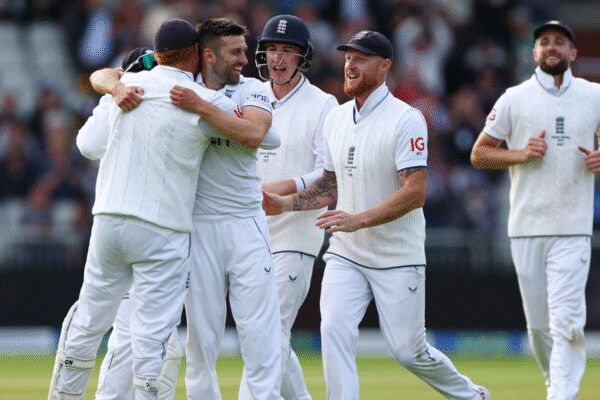
Mark Wood celebrates with teammates (Getty Images) England’s Mark Wood will miss the second Ashes Test in Brisbane due to concerns about his left knee, significantly impacting the team’s chances of equalising the series. Wood, aged 35, had just made his Test cricket comeback in Perth following a nine-month recovery from surgery. He bowled only…

Read More
Tesla sparks EV push: Carmaker launches model Y in India; opens experience centers

Tesla sparks EV push: Carmaker launches model Y in India; opens experience centers

American electric carmaker Tesla is exploring ways to develop an electric-vehicle ecosystem in India to support long-term growth and enhance the ownership experience. Since beginning deliveries in September, the company has sold 109 vehicles and is now planning to establish home charging units, install superchargers in major cities, and set up chargers at key destinations…

Read More
Anupam Kher recalls chaos after trying marijuana and consuming bhang at drama school: ‘I felt as if the road was running or the car was running’

Anupam Kher recalls chaos after trying marijuana and consuming bhang at drama school: ‘I felt as if the road was running or the car was running’

Veteran actor Anupam Kher, with a 40-year career, shared past marijuana and bhaang experiences on a podcast. He watched a plane to Heathrow after drags, feeling the road “run” in his car. At drama school, bhaang made him laugh 8 hours. Anupam Kher started his acting career in the 1980s and has been a significant…

Read More
Indoor plants for sinus relief: How greenery improves air quality and eases congestion |

Indoor plants for sinus relief: How greenery improves air quality and eases congestion |

Indoor plants offer more than aesthetic appeal; they can actively support sinus health. Sinus problems, such as nasal congestion, post-nasal drip, headaches, and facial pressure, are often triggered by allergens, dry air, or environmental pollutants. While medical treatments help manage symptoms, the home environment plays a crucial role in nasal comfort. Certain houseplants can improve…

Read More
Inside the deal-making power of the F-35: A weapon, a network, a strategic lock-in

Inside the deal-making power of the F-35: A weapon, a network, a strategic lock-in

NEW DELHI: The “Lockheed Martin F-35 Lightning II” is not just another fighter jet — it is a geopolitical instrument, a technological ecosystem and the most widely exported fifth-generation aircraft ever produced. No other defence platform in the modern era has reshaped alliances, altered regional balances of power, or influenced international diplomacy the way the…

Read More
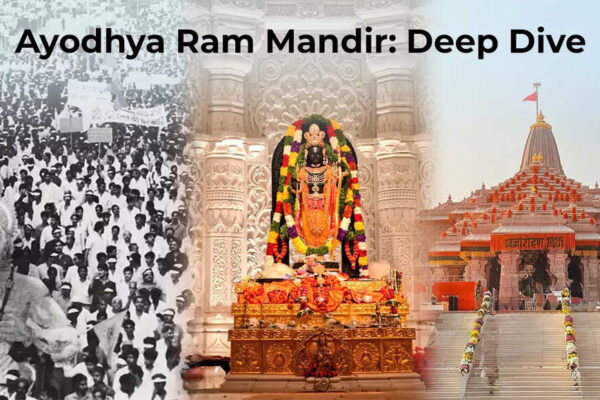
Ayodhya’s 500-year Ram Janmabhoomi struggle culminated on January 22, 2024, with the consecration of the Ram Lalla temple. This event marked the physical manifestation of faith, fulfilling a centuries-long aspiration. The journey, from Maharishi Valmiki’s depiction of Ram’s exile to modern movements and legal battles, finally saw the temple stand as a reclaimed heritage. The return of Rama: A 500-year struggle that healed wounded civilisation Awadh was aghast. The city collapsed like a lamp about to lose its flame. Men, women and children followed him as though Ayodhya itself was walking away. They did not see a prince going to the forest, it was like something being forcefully torn away with the strings of hope that he might stay hanging loose. The moment he stepped away, the capital of the Kosala kingdom felt emptied of life. This is how Maharishi Valmiki portrays Ram’s departure for his 14-year vanvas in Treta Yuga.The grief that filled Ayodhya in Valmiki’s verses did not stop at the edge of the forest. It travelled through centuries. It lived through kingdoms, invasions and courtrooms. It became devotion and politics. It became movements and marches. The 500-year-long Ram Janmabhoomi struggle was never just about land. It was about bringing Ram back. This time in Kaliyuga.Generations came and went, but the question survived: When will Ram Lalla return?He did return. On January 22, 2024, when the consecration ceremony of the deity was held. What was once a memory in scriptures and prayers finally took form in stone and light. The temple that had lived in longing now stands as faith fulfilled, and a civilisation reclaimed what it never stopped believing was its own.Key eventsNovember 25, 2025, marked the final milestone with the completion of the temple and a “Dhwajarohan” event, attended by PM Narendra Modi, RSS chief Mohan Bhagwat and UP Chief Minister Yogi Adityanath.Addressing a gathering after the flag hoisting event on November 25, the Prime Minister stated that today the city of Ayodhya is witnessing yet another pinnacle of India’s cultural consciousness.”This Dharma Dhwaja is not merely a flag, but the flag of the renaissance of Indian civilisation,” he said, explaining that its saffron colour, the glory of the Solar dynasty inscribed upon it, the sacred Om depicted, and the engraved Kovidar tree symbolise the greatness of Ram Rajya.PM Modi during Dhwajarahon eventThe story that had begun 500 years ago with the desecration under Mughal invader Babur slowly entered courtrooms, legal arguments and the political landscape. Each petition was an echo of a civilisational longing. Every verdict and every stay order became footsteps in a centuries-long journey.Ayodhya did not forget. Neither did the people who came on foot from distant villages, nor the saints who guarded the belief like a flame, waiting for the Ram Lalla’s temple to rise again.The struggle took different shapes over the centuries. Mahant Raghubir Das and others filed suits not for power or land, but for the right to worship. The movement was still quiet then, but the silence was deceptive. The devotion was gathering strength!The Origin Of The DisputeThe story did not begin with courts or politics. It began in the sixteenth century when the temple at Ram Janmabhoomi was torn down, and a mosque was constructed under Babur’s general, Mir Baqi. The temple was demolished, but the faith was not. Hindus continued to worship at the site. The belief that this was Ram’s birthplace never broke. It lived through devotion, pilgrimage and collective memory.Muslim Chronicles on AyodhyaSeveral works in Arabic, Persian, and Urdu discussed the demolition of the Ramjanmabhumi temple and its replacement by Babri Masjid. In the book “The Ayodhya Temple-Mosque Dispute: Focus on Muslim Sources” by Harsh Narain, there’s a mention of Al-Hind-u fi al- ‘Ahd al-Islami (India in the Islamic Era) by Maulana Hakim Sayyid Abd al-Hayy, which was translated into Urdu by Maulana Shams Tabriz Khan, under the title Hindustan Islami Ahd mein.Excerpt – The Ayodhya Temple-Mosque Dispute: Focus on Muslim SourcesIn Tarikh-i Awadh (1919), written by Muhammad Najmul Ghani, it is stated: “Babur got the mosque built after demolishing the Janmasthan and used in his mosque the stone of the same Janmasthan, which was richly engraved, precious kasauti stone, and which survives even today.”The Fasanah-I Ibrat, written by Rajab Ali Beg Surur in 1860, but first published in 1884, stated: “…a glorious mosque was built up during King Babar’s regime on the spot where Sita ki Rasoi tomb (?) is situated in Awadh. During this Babari (dispensation) the Hindus had no guts to be a match for the Muslims.Harsh Narain’s work states that the Qaysar-u’t Tawarikh, which is an Urdu historical chronicle that describes the Janmabhoomi demolition and mosque construction, located the Harsh Narain’s work states that the Qaysar-u’t Tawarikh, which is an Urdu historical chronicle that describes the Janmabhoomi demolition and mosque construction, located the mosque in Sita ki Rasoi as well as the Janmasthan. It acknowledged, “…all the temples of Ayodhya were turned into mosques by the Sultans of the past.”European Account on JanmabhoomiIn one of the multiple accounts of foreign travellers, Joseph Tieffenthaler, the Austrian Jesuit, who stayed in India from 1743 till his death some four decades later, toured Awadh between 1766 and 1771. According to Meenakshi Jain’s The Battle For Rama work, he was the first to refer to the destruction of a temple at Rama’s birthplace by a Mughal ruler. He saw Hindus worshipping a religious structure in the form of a vedi (cradle) in the premises, but said nothing about Muslims offering namaaz. He also noted the large gatherings of Hindus on the occasion of Rama Navami (Rama’s birthday). He wrote: “Emperor Aurenzgebe got the fortress called Ramcot demolished and got a Muslim temple, with triple domes, constructed at the same place. Others say that it was constructed by ‘Babor’…”Tieffenthaler also provided the earliest European documentation of the Hindu Janmasthan platform, which was later called “Ram Chabutra”. Account of Joseph TieffenthalerHe futher writes: “However, there still exists some superstitious cult in some place or other. For example, in the place where the native house of Ram existed, they go around 3 times and prostrate on the floor. The two spots are surrounded by a low wall constructed with battlements. One enters the front hall through a low semi-circular door… On the 24th of the Tschet month, a big gathering of people is done here to celebrate the birthday of Ram, so famous in the entire India.”As dynasties and empires changed, the sacredness of the Janmabhoomi did not fade. The temple had fallen, but the birthplace was not forgotten. Devotion shifted to the Ram Chabutra in the outer courtyard, where pilgrims prayed, and saints kept vigil. Akharas, fairs and local traditions kept the belief alive.Struggle During British RuleWhen the British arrived in the mid-1850s, they did not end the conflict. They fenced the site into two courtyards. Muslims offered namaz inside, while Hindus worshipped at the Ram Chabutra outside. The land had one history but two claims.In 1885, Mahant Raghubar Das filed the first suit to build a temple, but it was rejected. However, the worship continued.In 1934, clashes damaged the mosque, and the British repaired it, still avoiding the core question. The dispute remained unresolved and alive. A rough sketch of the mosque and the Ram Chabutra in its compound.Post-Independence Legal BattleIndependence did not settle Ayodhya. In December 1949, idols of Ram Lalla were found inside the disputed structure. Authorities sealed it and declared the site disputed. The idol stayed inside, and worship continued from outside, while namaz stopped. In 1950, Gopal Singh Visharad and Paramhans Ramchandra Das filed suits seeking worship inside. More cases followed: Nirmohi Akhara in 1959 claimed management rights, and the Sunni Waqf Board in 1961 contested the property. The courts froze the status quo. The fight moved from streets to case files, petitions and orders.Ram Janmabhoomi DisputeThe Unlocking That Changed IndiaBy the 1980s, the dispute had moved beyond the courtroom. The VHP adopted the Ram Janmabhoomi cause, and the RSS gave the campaign nationwide strength. The turning point came in 1986 when the Faizabad court ordered the gates of the structure to be opened, and the government allowed it. Within hours, darshan began, and Hindus entered after decades. Namaz did not resume. A locked shrine became an open site of worship, and the dispute that had waited behind iron bars stepped into public life.Events after 1986The opening of the gates in 1986 changed more than access to the temple. It changed the direction of Indian politics and public sentiment. For decades the issue had been faith and legal argument. Now it became a movement that spread into homes, streets and television screens. The telecast of Ramanand Sagar’s Ramayan in 1987–88 turned the story of Ram into a national cultural moment. Families paused their Sundays to watch it. Streets emptied. Temples saw new crowds. Faith acquired momentum, and the Ram Janmabhoomi question began entering everyday life.Photo: Family watching Ramanand Sagar’s Ramayan on Sunday morning – 1987In 1989, the VHP laid the foundation stone (shilanyas) near the disputed site with the approval of the Rajiv Gandhi government, and the issue moved further into national consciousness. The same year, the BJP officially adopted the Ram Mandir demand through the Palampur Resolution. A religious and cultural movement had now gained a clear political face. Photo: VHP along with its supporters and BJP a huge rally at the disputed site in Ayodhya.In 1990, LK Advani launched the Rath Yatra from Somnath to Ayodhya, mobilising lakhs of supporters across the country. Photo: Advani’s Rath Yatra from Somnath to AyodhyaThe yatra provoked a counter-mobilisation and heightened tensions. When Kar Sevaks attempted to move towards the disputed site, the Uttar Pradesh government under Mulayam Singh Yadav ordered police firing. Several kar sevaks were killed. The movement intensified further.Photo: The Kothari brothers, Ram and Sharad Kothari, were two young men from Kolkata who were killed by police firing in Ayodhya on November 2, 1990From late November 1992, lakhs of kar sevaks had gathered in Ayodhya under multiple Hindu organisations. The call for kar seva had built expectations that something decisive would happen on the ground. The events reached a climax on 6 December 1992. Crowds demolished the disputed structure, which opened a new chapter of religious, political and legal conflict. Photo: Kar Sevaks at the dispute structure on December 6, 1992After the incident, the court cases multiplied. Commissions were formed. What began as a locked shrine had turned into one of the defining movements of modern India.Post 1986 Mandir MovementAfter the 1992 demolition, the dispute shifted permanently into the courts. The central government acquired the site in 1993 and asked the Supreme Court to settle ownership. The title suits were transferred to the Allahabad high court, which examined archaeological, historical and documentary evidence. The 2003 ASI excavation report remains consistent with a large pre-existing structure below the demolished mosque. In 2010, the high court ruled that the land be divided among three parties, but the judgment was appealed by all sides. The case then moved to the Supreme Court, where a Constitution Bench heard extensive arguments on law, title, belief and history. In November 2019, the top court delivered its final judgment: The land was awarded for the construction of a Ram temple, and an alternative site was directed to be allotted to the Muslim side. The verdict ended the centuries-long legal battle and settled ownership of the Janmabhoomi.Key points of Supreme Court judgementAfter the Supreme Court’s 2019 verdict awarding the disputed land for the construction of a Ram temple, plans for building began in earnest. Photo: Ram Lalla in a tent before the SC verdict (Left)/ Grand Ram Lalla Mandir in AyodhyaA trust was formed to oversee development, and construction work proceeded over the next few years with architectural planning, sanctum layout, and preparations for consecration. On 22 January 2024, the new temple was inaugurated with religious ceremonies.Photo: Ram Lalla idol in the sanctum sanctoram of Ayodhya MandirOn November 25, the “Dwajarohan” ceremony, hoisting the saffron flag atop the temple, reaffirmed the Mandir’s consecration and the restoration of the wounded civilisation. The long-standing legal and historical dispute thus entered a phase of physical reconstruction and symbolic closure, as devotees welcomed the final restoration of what they regard as their heritage.If one scrolls through the Ram Mandir movement wire-to-wire, the demand for the temple emerges not just as a caravan of facts and emotions, but as a testament to a faith that never faded. Those in the frontline of the movement, especially the Hindu community, continued their worship at the site, whether in the outer courtyard earlier or before the idol after 1949, sustaining an unbroken thread of devotion, which helped in healing and rekindling the oldest civilisation.End of ArticleFollow Us On Social MediaVideosIMD Issues Red Alert as Cyclone Ditwah Approaches TN; Sri Lanka Deaths Exceed 80Siddaramaiah, DK Shivakumar Project Unity After High-Stakes Karnataka Meet Amid Rumours Of Cong RiftEU MP Filip Dewinter Labels Pakistan As A ‘Terror State’, Urges Europe To Act And Align With IndiaNepal’s Currency Map Includes Indian Land; Ex-Minister Calls Dialogue Essential Amid Rising TensionIndia’s Maritime Future Is Preordained: CDS Chauhan Predicts Indian Navy’s Decisive Warfighting RolePak Slams Rajnath’s Sindh Remark But Ignores Its Leader Claiming Gujarat, Rajasthan, Haryana As OwnIndiGo And Air India Warn Of Delays As Airbus Solar Radiation Snag Hits 350 A320 Jets In IndiaPakistan Faces Global Scrutiny as UN Flags Grave Risks to Rule of Law, Judicial Freedom, GovernanceCyclone Ditwah Approaches India: Tamil Nadu, Puducherry, Andhra Pradesh Brace For Impact’Op Sindoor Was Just A Glimpse Of Future Theatre Commands’: Air Marshal Ashutosh Dixit123PhotostoriesIn Pics | Tesla Opens India’s First All-In-One Facility in Gurgaon7 animals that became space travellers ahead of humansShilpa Shetty yet again serves major fashion goals with her silver saree-jacket comboYour soul temple: 6 powerful temples to visit in India based on personality types7 houseplants to avoid if you have kidsEveryday fashion inspired by Bollywood elegance and effortless celebrity charm influencing real life wardrobes across generations5 must visit places in Delhi for a fun weekend with kidsHow Dilwale Dulhania Le Jayenge rewrote the way India falls in loveHow Universe Communicate With You According To Your Birth Date7 everyday Indian foods that help improve your child’s memory123Hot PicksDelhi AQI TodayNew Labour CodeWorld NewsGold rate todaySilver rate todayPublic Holidays NovemberBank Holidays NovemberTop TrendingGiannis AntetokounmpoBo BichetteWWE Smackdown HighlightsDonald TrumpPerez HiltonCyclone DitwahR AshwinAyesha CurryFuzzy ZoellerJammie Booker

Ayodhya’s 500-year Ram Janmabhoomi struggle culminated on January 22, 2024, with the consecration of the Ram Lalla temple. This event marked the physical manifestation of faith, fulfilling a centuries-long aspiration. The journey, from Maharishi Valmiki’s depiction of Ram’s exile to modern movements and legal battles, finally saw the temple stand as a reclaimed heritage. The return of Rama: A 500-year struggle that healed wounded civilisation Awadh was aghast. The city collapsed like a lamp about to lose its flame. Men, women and children followed him as though Ayodhya itself was walking away. They did not see a prince going to the forest, it was like something being forcefully torn away with the strings of hope that he might stay hanging loose. The moment he stepped away, the capital of the Kosala kingdom felt emptied of life. This is how Maharishi Valmiki portrays Ram’s departure for his 14-year vanvas in Treta Yuga.The grief that filled Ayodhya in Valmiki’s verses did not stop at the edge of the forest. It travelled through centuries. It lived through kingdoms, invasions and courtrooms. It became devotion and politics. It became movements and marches. The 500-year-long Ram Janmabhoomi struggle was never just about land. It was about bringing Ram back. This time in Kaliyuga.Generations came and went, but the question survived: When will Ram Lalla return?He did return. On January 22, 2024, when the consecration ceremony of the deity was held. What was once a memory in scriptures and prayers finally took form in stone and light. The temple that had lived in longing now stands as faith fulfilled, and a civilisation reclaimed what it never stopped believing was its own.Key eventsNovember 25, 2025, marked the final milestone with the completion of the temple and a “Dhwajarohan” event, attended by PM Narendra Modi, RSS chief Mohan Bhagwat and UP Chief Minister Yogi Adityanath.Addressing a gathering after the flag hoisting event on November 25, the Prime Minister stated that today the city of Ayodhya is witnessing yet another pinnacle of India’s cultural consciousness.”This Dharma Dhwaja is not merely a flag, but the flag of the renaissance of Indian civilisation,” he said, explaining that its saffron colour, the glory of the Solar dynasty inscribed upon it, the sacred Om depicted, and the engraved Kovidar tree symbolise the greatness of Ram Rajya.PM Modi during Dhwajarahon eventThe story that had begun 500 years ago with the desecration under Mughal invader Babur slowly entered courtrooms, legal arguments and the political landscape. Each petition was an echo of a civilisational longing. Every verdict and every stay order became footsteps in a centuries-long journey.Ayodhya did not forget. Neither did the people who came on foot from distant villages, nor the saints who guarded the belief like a flame, waiting for the Ram Lalla’s temple to rise again.The struggle took different shapes over the centuries. Mahant Raghubir Das and others filed suits not for power or land, but for the right to worship. The movement was still quiet then, but the silence was deceptive. The devotion was gathering strength!The Origin Of The DisputeThe story did not begin with courts or politics. It began in the sixteenth century when the temple at Ram Janmabhoomi was torn down, and a mosque was constructed under Babur’s general, Mir Baqi. The temple was demolished, but the faith was not. Hindus continued to worship at the site. The belief that this was Ram’s birthplace never broke. It lived through devotion, pilgrimage and collective memory.Muslim Chronicles on AyodhyaSeveral works in Arabic, Persian, and Urdu discussed the demolition of the Ramjanmabhumi temple and its replacement by Babri Masjid. In the book “The Ayodhya Temple-Mosque Dispute: Focus on Muslim Sources” by Harsh Narain, there’s a mention of Al-Hind-u fi al- ‘Ahd al-Islami (India in the Islamic Era) by Maulana Hakim Sayyid Abd al-Hayy, which was translated into Urdu by Maulana Shams Tabriz Khan, under the title Hindustan Islami Ahd mein.Excerpt – The Ayodhya Temple-Mosque Dispute: Focus on Muslim SourcesIn Tarikh-i Awadh (1919), written by Muhammad Najmul Ghani, it is stated: “Babur got the mosque built after demolishing the Janmasthan and used in his mosque the stone of the same Janmasthan, which was richly engraved, precious kasauti stone, and which survives even today.”The Fasanah-I Ibrat, written by Rajab Ali Beg Surur in 1860, but first published in 1884, stated: “…a glorious mosque was built up during King Babar’s regime on the spot where Sita ki Rasoi tomb (?) is situated in Awadh. During this Babari (dispensation) the Hindus had no guts to be a match for the Muslims.Harsh Narain’s work states that the Qaysar-u’t Tawarikh, which is an Urdu historical chronicle that describes the Janmabhoomi demolition and mosque construction, located the Harsh Narain’s work states that the Qaysar-u’t Tawarikh, which is an Urdu historical chronicle that describes the Janmabhoomi demolition and mosque construction, located the mosque in Sita ki Rasoi as well as the Janmasthan. It acknowledged, “…all the temples of Ayodhya were turned into mosques by the Sultans of the past.”European Account on JanmabhoomiIn one of the multiple accounts of foreign travellers, Joseph Tieffenthaler, the Austrian Jesuit, who stayed in India from 1743 till his death some four decades later, toured Awadh between 1766 and 1771. According to Meenakshi Jain’s The Battle For Rama work, he was the first to refer to the destruction of a temple at Rama’s birthplace by a Mughal ruler. He saw Hindus worshipping a religious structure in the form of a vedi (cradle) in the premises, but said nothing about Muslims offering namaaz. He also noted the large gatherings of Hindus on the occasion of Rama Navami (Rama’s birthday). He wrote: “Emperor Aurenzgebe got the fortress called Ramcot demolished and got a Muslim temple, with triple domes, constructed at the same place. Others say that it was constructed by ‘Babor’…”Tieffenthaler also provided the earliest European documentation of the Hindu Janmasthan platform, which was later called “Ram Chabutra”. Account of Joseph TieffenthalerHe futher writes: “However, there still exists some superstitious cult in some place or other. For example, in the place where the native house of Ram existed, they go around 3 times and prostrate on the floor. The two spots are surrounded by a low wall constructed with battlements. One enters the front hall through a low semi-circular door… On the 24th of the Tschet month, a big gathering of people is done here to celebrate the birthday of Ram, so famous in the entire India.”As dynasties and empires changed, the sacredness of the Janmabhoomi did not fade. The temple had fallen, but the birthplace was not forgotten. Devotion shifted to the Ram Chabutra in the outer courtyard, where pilgrims prayed, and saints kept vigil. Akharas, fairs and local traditions kept the belief alive.Struggle During British RuleWhen the British arrived in the mid-1850s, they did not end the conflict. They fenced the site into two courtyards. Muslims offered namaz inside, while Hindus worshipped at the Ram Chabutra outside. The land had one history but two claims.In 1885, Mahant Raghubar Das filed the first suit to build a temple, but it was rejected. However, the worship continued.In 1934, clashes damaged the mosque, and the British repaired it, still avoiding the core question. The dispute remained unresolved and alive. A rough sketch of the mosque and the Ram Chabutra in its compound.Post-Independence Legal BattleIndependence did not settle Ayodhya. In December 1949, idols of Ram Lalla were found inside the disputed structure. Authorities sealed it and declared the site disputed. The idol stayed inside, and worship continued from outside, while namaz stopped. In 1950, Gopal Singh Visharad and Paramhans Ramchandra Das filed suits seeking worship inside. More cases followed: Nirmohi Akhara in 1959 claimed management rights, and the Sunni Waqf Board in 1961 contested the property. The courts froze the status quo. The fight moved from streets to case files, petitions and orders.Ram Janmabhoomi DisputeThe Unlocking That Changed IndiaBy the 1980s, the dispute had moved beyond the courtroom. The VHP adopted the Ram Janmabhoomi cause, and the RSS gave the campaign nationwide strength. The turning point came in 1986 when the Faizabad court ordered the gates of the structure to be opened, and the government allowed it. Within hours, darshan began, and Hindus entered after decades. Namaz did not resume. A locked shrine became an open site of worship, and the dispute that had waited behind iron bars stepped into public life.Events after 1986The opening of the gates in 1986 changed more than access to the temple. It changed the direction of Indian politics and public sentiment. For decades the issue had been faith and legal argument. Now it became a movement that spread into homes, streets and television screens. The telecast of Ramanand Sagar’s Ramayan in 1987–88 turned the story of Ram into a national cultural moment. Families paused their Sundays to watch it. Streets emptied. Temples saw new crowds. Faith acquired momentum, and the Ram Janmabhoomi question began entering everyday life.Photo: Family watching Ramanand Sagar’s Ramayan on Sunday morning – 1987In 1989, the VHP laid the foundation stone (shilanyas) near the disputed site with the approval of the Rajiv Gandhi government, and the issue moved further into national consciousness. The same year, the BJP officially adopted the Ram Mandir demand through the Palampur Resolution. A religious and cultural movement had now gained a clear political face. Photo: VHP along with its supporters and BJP a huge rally at the disputed site in Ayodhya.In 1990, LK Advani launched the Rath Yatra from Somnath to Ayodhya, mobilising lakhs of supporters across the country. Photo: Advani’s Rath Yatra from Somnath to AyodhyaThe yatra provoked a counter-mobilisation and heightened tensions. When Kar Sevaks attempted to move towards the disputed site, the Uttar Pradesh government under Mulayam Singh Yadav ordered police firing. Several kar sevaks were killed. The movement intensified further.Photo: The Kothari brothers, Ram and Sharad Kothari, were two young men from Kolkata who were killed by police firing in Ayodhya on November 2, 1990From late November 1992, lakhs of kar sevaks had gathered in Ayodhya under multiple Hindu organisations. The call for kar seva had built expectations that something decisive would happen on the ground. The events reached a climax on 6 December 1992. Crowds demolished the disputed structure, which opened a new chapter of religious, political and legal conflict. Photo: Kar Sevaks at the dispute structure on December 6, 1992After the incident, the court cases multiplied. Commissions were formed. What began as a locked shrine had turned into one of the defining movements of modern India.Post 1986 Mandir MovementAfter the 1992 demolition, the dispute shifted permanently into the courts. The central government acquired the site in 1993 and asked the Supreme Court to settle ownership. The title suits were transferred to the Allahabad high court, which examined archaeological, historical and documentary evidence. The 2003 ASI excavation report remains consistent with a large pre-existing structure below the demolished mosque. In 2010, the high court ruled that the land be divided among three parties, but the judgment was appealed by all sides. The case then moved to the Supreme Court, where a Constitution Bench heard extensive arguments on law, title, belief and history. In November 2019, the top court delivered its final judgment: The land was awarded for the construction of a Ram temple, and an alternative site was directed to be allotted to the Muslim side. The verdict ended the centuries-long legal battle and settled ownership of the Janmabhoomi.Key points of Supreme Court judgementAfter the Supreme Court’s 2019 verdict awarding the disputed land for the construction of a Ram temple, plans for building began in earnest. Photo: Ram Lalla in a tent before the SC verdict (Left)/ Grand Ram Lalla Mandir in AyodhyaA trust was formed to oversee development, and construction work proceeded over the next few years with architectural planning, sanctum layout, and preparations for consecration. On 22 January 2024, the new temple was inaugurated with religious ceremonies.Photo: Ram Lalla idol in the sanctum sanctoram of Ayodhya MandirOn November 25, the “Dwajarohan” ceremony, hoisting the saffron flag atop the temple, reaffirmed the Mandir’s consecration and the restoration of the wounded civilisation. The long-standing legal and historical dispute thus entered a phase of physical reconstruction and symbolic closure, as devotees welcomed the final restoration of what they regard as their heritage.If one scrolls through the Ram Mandir movement wire-to-wire, the demand for the temple emerges not just as a caravan of facts and emotions, but as a testament to a faith that never faded. Those in the frontline of the movement, especially the Hindu community, continued their worship at the site, whether in the outer courtyard earlier or before the idol after 1949, sustaining an unbroken thread of devotion, which helped in healing and rekindling the oldest civilisation.End of ArticleFollow Us On Social MediaVideosIMD Issues Red Alert as Cyclone Ditwah Approaches TN; Sri Lanka Deaths Exceed 80Siddaramaiah, DK Shivakumar Project Unity After High-Stakes Karnataka Meet Amid Rumours Of Cong RiftEU MP Filip Dewinter Labels Pakistan As A ‘Terror State’, Urges Europe To Act And Align With IndiaNepal’s Currency Map Includes Indian Land; Ex-Minister Calls Dialogue Essential Amid Rising TensionIndia’s Maritime Future Is Preordained: CDS Chauhan Predicts Indian Navy’s Decisive Warfighting RolePak Slams Rajnath’s Sindh Remark But Ignores Its Leader Claiming Gujarat, Rajasthan, Haryana As OwnIndiGo And Air India Warn Of Delays As Airbus Solar Radiation Snag Hits 350 A320 Jets In IndiaPakistan Faces Global Scrutiny as UN Flags Grave Risks to Rule of Law, Judicial Freedom, GovernanceCyclone Ditwah Approaches India: Tamil Nadu, Puducherry, Andhra Pradesh Brace For Impact’Op Sindoor Was Just A Glimpse Of Future Theatre Commands’: Air Marshal Ashutosh Dixit123PhotostoriesIn Pics | Tesla Opens India’s First All-In-One Facility in Gurgaon7 animals that became space travellers ahead of humansShilpa Shetty yet again serves major fashion goals with her silver saree-jacket comboYour soul temple: 6 powerful temples to visit in India based on personality types7 houseplants to avoid if you have kidsEveryday fashion inspired by Bollywood elegance and effortless celebrity charm influencing real life wardrobes across generations5 must visit places in Delhi for a fun weekend with kidsHow Dilwale Dulhania Le Jayenge rewrote the way India falls in loveHow Universe Communicate With You According To Your Birth Date7 everyday Indian foods that help improve your child’s memory123Hot PicksDelhi AQI TodayNew Labour CodeWorld NewsGold rate todaySilver rate todayPublic Holidays NovemberBank Holidays NovemberTop TrendingGiannis AntetokounmpoBo BichetteWWE Smackdown HighlightsDonald TrumpPerez HiltonCyclone DitwahR AshwinAyesha CurryFuzzy ZoellerJammie Booker

The return of Rama: A 500-year struggle that healed wounded civilisation Awadh was aghast. The city collapsed like a lamp about to lose its flame. Men, women and children followed him as though Ayodhya itself was walking away. They did not see a prince going to the forest, it was like something being forcefully torn…

Read More
Tariff shock: Indian exports to US crash 28.5%; GTRI warns labour-heavy sectors hurt most, urges quick policy action

Tariff shock: Indian exports to US crash 28.5%; GTRI warns labour-heavy sectors hurt most, urges quick policy action

India’s exports to the United States saw a sharp 28.5% fall between May and October 2025 as aggressive tariff hikes by Washington hit key sectors. According to the Global Trade Research Initiative (GTRI), shipments dropped from $8.83 billion to $6.31 billion during the period, coinciding with US duties rising from 10% in April to 25%…

Read More
Bihar board class 10, 12 timetable 2026: BSEB announces intermediate, matriculation exams dates; download here

Bihar board class 10, 12 timetable 2026: BSEB announces intermediate, matriculation exams dates; download here

Bihar Board timetable 2026 Bihar Board Time Table 2026: The Bihar School Examination Board (BSEB) has officially released the dates for the 2026 Intermediate and Matriculation examinations. Intermediate exams will be conducted from February 2 to February 13, 2026, covering all streams, including Science, Commerce and Arts. The Matriculation exams are scheduled to begin on…

Read More
Deepika Padukone’s sister Anisha Padukone set to marry Rohan Acharya, brother-in-law of Karan Deol and Bimal Roy’s great-grandson? – Reports

Deepika Padukone’s sister Anisha Padukone set to marry Rohan Acharya, brother-in-law of Karan Deol and Bimal Roy’s great-grandson? – Reports

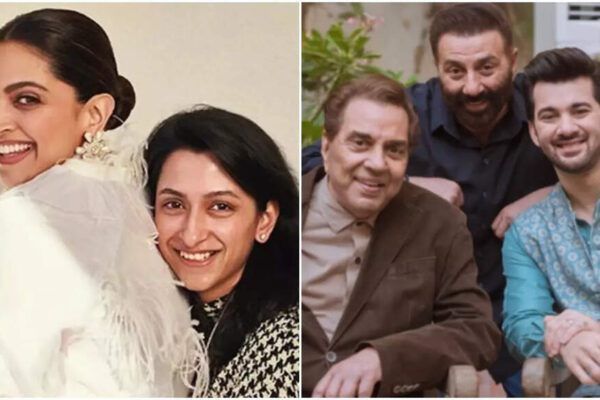
Deepika Padukone’s sister Anisha set to marry Rohan Acharya, Bimal Roy’s great-grandson and brother of Karan Deol’s wife. Private couple awaits official announcement; Deepika, Ranveer follow him on social media. Rohan runs Dubai travel biz with dad. Mom Chimoo launched events firm with Aamir Khan gig. Anisha Padukone, the younger sister of Deepika Padukone, is…

Read More
Want to protect your brain when you drink? Neuroscientist shares his top 3 supplements for brain health

Want to protect your brain when you drink? Neuroscientist shares his top 3 supplements for brain health

If you like to have a drink now and then but fret over the effect it will have on your brain, then neuroscientist Robert Love has some very straightforward advice. For his latest post, he reveals three supplements that help cushion alcohol’s blow: activated charcoal, selenium, and a combination of L-Tyrosine and Lion’s Mane mushroom….

Read More
First Australian PM wedding in 124 years: Anthony Albanese marries Jodie Haydon in private ceremony — see pictures inside

First Australian PM wedding in 124 years: Anthony Albanese marries Jodie Haydon in private ceremony — see pictures inside

Australian Prime Minister Anthony Albanese and Jodie Haydon are showered with confetti after getting married in Canberra (AP image) Australian Prime Minister Anthony Albanese married his partner Jodie Haydon in a private ceremony at his official residence on Saturday. He became the first sitting Australian leader to tie the knot in the nation’s 124-year federal…

Read More
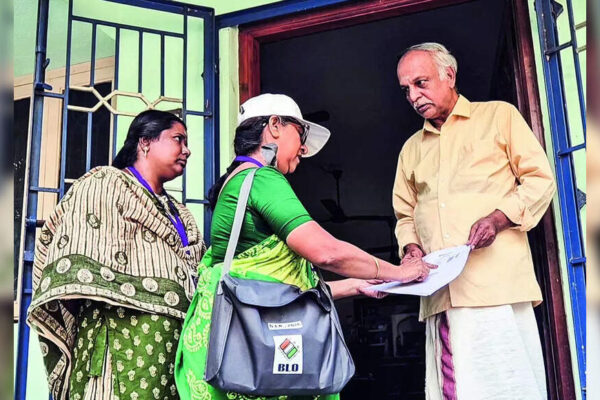
Representational image NEW DELHI: The Bharatiya Janata Party (BJP) has set up a national coordination team to monitor the ongoing Special Intensive Revision (SIR) of electoral rolls and flag any “discrepancies,” along with issues faced by Booth Level Officers (BLOs) across the country. The seven-member committee will be headed by BJP national general secretary Tarun Chugh. Its other members include Dr K Laxman, K Annamalai, Om Prakash Dhankhar, Alka Gurjar, Dr Anirban Ganguly and Jamyang Tsering Namgyal. The panel has already begun field visits. On Saturday, Ganguly visited Nadia district in his home state, West Bengal, to review the revision exercise. West Bengal, which heads to polls next year as the BJP attempts to challenge 3-term chief minister Mamata Banerjee and her Trinamool Congress, will be covered by the committee until December 1. The review in the Union territory of Andaman and Nicobar Islands has already been completed. The Election Commission recently announced “phase 2” of the SIR across nine states and three Union Territories. The exercise has seen reports of BLO deaths and resignations, attributed in some cases to work pressure. Phase 2 — the first was in Bihar ahead of the state’s recently-conducted assembly polls — began on November 4 and will culminate with the final voter list publication on February 7, 2026. According to the Election Commission, 99.43 per cent of enumeration forms had been distributed by November 28, covering more than 50 crore electors. A total of 5,32,828 BLOs are handling the on-ground distribution and collection of these forms across the 12 states and UTs, supported by 11,40,598 BLAs. Uttar Pradesh has seen the highest volume of distribution, with 15,39,93,688 forms handed out. So far, 74.1 per cent of forms have been digitised. Lakshadweep has completed digitisation of all its 57,813 forms, while Uttar Pradesh currently trails with 54.97 per cent digitised — 8,48,82,670 forms.(With ANI inputs)About the AuthorTOI News DeskThe TOI News Desk comprises a dedicated and tireless team of journalists who operate around the clock to deliver the most current and comprehensive news and updates to the readers of The Times of India worldwide. With an unwavering commitment to excellence in journalism, our team is at the forefront of gathering, verifying, and presenting breaking news, in-depth analysis, and insightful reports on a wide range of topics. The TOI News Desk is your trusted source for staying informed and connected to the ever-evolving global landscape, ensuring that our readers are equipped with the latest developments that matter most.”Read MoreEnd of ArticleFollow Us On Social MediaVideosAfter India’s 8.2% GDP Jump, Piyush Goyal Credits Reforms And Predicts Strong, Sustained ExpansionIMD Issues Red Alert as Cyclone Ditwah Approaches TN; Sri Lanka Deaths Exceed 80Siddaramaiah, DK Shivakumar Project Unity After High-Stakes Karnataka Meet Amid Rumours Of Cong RiftEU MP Filip Dewinter Labels Pakistan As A ‘Terror State’, Urges Europe To Act And Align With IndiaNepal’s Currency Map Includes Indian Land; Ex-Minister Calls Dialogue Essential Amid Rising TensionIndia’s Maritime Future Is Preordained: CDS Chauhan Predicts Indian Navy’s Decisive Warfighting RolePak Slams Rajnath’s Sindh Remark But Ignores Its Leader Claiming Gujarat, Rajasthan, Haryana As OwnIndiGo And Air India Warn Of Delays As Airbus Solar Radiation Snag Hits 350 A320 Jets In IndiaPakistan Faces Global Scrutiny as UN Flags Grave Risks to Rule of Law, Judicial Freedom, GovernanceCyclone Ditwah Approaches India: Tamil Nadu, Puducherry, Andhra Pradesh Brace For Impact123PhotostoriesHyderabad Unveils India’s First Mobile Anti-Drone Vehicle to Boost Security MeasuresIn Pics | Tesla Opens India’s First All-In-One Facility in GurgaonNoida Apple Store Unveiled: India’s Fifth Retail Location with Peacock-Inspired Design at DLF Mall of India7 animals that became space travellers ahead of humansShilpa Shetty yet again serves major fashion goals with her silver saree-jacket comboYour soul temple: 6 powerful temples to visit in India based on personality types7 houseplants to avoid if you have kidsEveryday fashion inspired by Bollywood elegance and effortless celebrity charm influencing real life wardrobes across generations5 must visit places in Delhi for a fun weekend with kidsHow Dilwale Dulhania Le Jayenge rewrote the way India falls in love123Hot PicksDelhi AQI TodayNew Labour CodeWorld NewsGold rate todaySilver rate todayPublic Holidays NovemberBank Holidays NovemberTop TrendingGiannis AntetokounmpoBo BichetteWWE Smackdown HighlightsDonald TrumpPerez HiltonCyclone DitwahR AshwinAyesha CurryFuzzy ZoellerJammie Booker

Representational image NEW DELHI: The Bharatiya Janata Party (BJP) has set up a national coordination team to monitor the ongoing Special Intensive Revision (SIR) of electoral rolls and flag any “discrepancies,” along with issues faced by Booth Level Officers (BLOs) across the country. The seven-member committee will be headed by BJP national general secretary Tarun Chugh. Its other members include Dr K Laxman, K Annamalai, Om Prakash Dhankhar, Alka Gurjar, Dr Anirban Ganguly and Jamyang Tsering Namgyal. The panel has already begun field visits. On Saturday, Ganguly visited Nadia district in his home state, West Bengal, to review the revision exercise. West Bengal, which heads to polls next year as the BJP attempts to challenge 3-term chief minister Mamata Banerjee and her Trinamool Congress, will be covered by the committee until December 1. The review in the Union territory of Andaman and Nicobar Islands has already been completed. The Election Commission recently announced “phase 2” of the SIR across nine states and three Union Territories. The exercise has seen reports of BLO deaths and resignations, attributed in some cases to work pressure. Phase 2 — the first was in Bihar ahead of the state’s recently-conducted assembly polls — began on November 4 and will culminate with the final voter list publication on February 7, 2026. According to the Election Commission, 99.43 per cent of enumeration forms had been distributed by November 28, covering more than 50 crore electors. A total of 5,32,828 BLOs are handling the on-ground distribution and collection of these forms across the 12 states and UTs, supported by 11,40,598 BLAs. Uttar Pradesh has seen the highest volume of distribution, with 15,39,93,688 forms handed out. So far, 74.1 per cent of forms have been digitised. Lakshadweep has completed digitisation of all its 57,813 forms, while Uttar Pradesh currently trails with 54.97 per cent digitised — 8,48,82,670 forms.(With ANI inputs)About the AuthorTOI News DeskThe TOI News Desk comprises a dedicated and tireless team of journalists who operate around the clock to deliver the most current and comprehensive news and updates to the readers of The Times of India worldwide. With an unwavering commitment to excellence in journalism, our team is at the forefront of gathering, verifying, and presenting breaking news, in-depth analysis, and insightful reports on a wide range of topics. The TOI News Desk is your trusted source for staying informed and connected to the ever-evolving global landscape, ensuring that our readers are equipped with the latest developments that matter most.”Read MoreEnd of ArticleFollow Us On Social MediaVideosAfter India’s 8.2% GDP Jump, Piyush Goyal Credits Reforms And Predicts Strong, Sustained ExpansionIMD Issues Red Alert as Cyclone Ditwah Approaches TN; Sri Lanka Deaths Exceed 80Siddaramaiah, DK Shivakumar Project Unity After High-Stakes Karnataka Meet Amid Rumours Of Cong RiftEU MP Filip Dewinter Labels Pakistan As A ‘Terror State’, Urges Europe To Act And Align With IndiaNepal’s Currency Map Includes Indian Land; Ex-Minister Calls Dialogue Essential Amid Rising TensionIndia’s Maritime Future Is Preordained: CDS Chauhan Predicts Indian Navy’s Decisive Warfighting RolePak Slams Rajnath’s Sindh Remark But Ignores Its Leader Claiming Gujarat, Rajasthan, Haryana As OwnIndiGo And Air India Warn Of Delays As Airbus Solar Radiation Snag Hits 350 A320 Jets In IndiaPakistan Faces Global Scrutiny as UN Flags Grave Risks to Rule of Law, Judicial Freedom, GovernanceCyclone Ditwah Approaches India: Tamil Nadu, Puducherry, Andhra Pradesh Brace For Impact123PhotostoriesHyderabad Unveils India’s First Mobile Anti-Drone Vehicle to Boost Security MeasuresIn Pics | Tesla Opens India’s First All-In-One Facility in GurgaonNoida Apple Store Unveiled: India’s Fifth Retail Location with Peacock-Inspired Design at DLF Mall of India7 animals that became space travellers ahead of humansShilpa Shetty yet again serves major fashion goals with her silver saree-jacket comboYour soul temple: 6 powerful temples to visit in India based on personality types7 houseplants to avoid if you have kidsEveryday fashion inspired by Bollywood elegance and effortless celebrity charm influencing real life wardrobes across generations5 must visit places in Delhi for a fun weekend with kidsHow Dilwale Dulhania Le Jayenge rewrote the way India falls in love123Hot PicksDelhi AQI TodayNew Labour CodeWorld NewsGold rate todaySilver rate todayPublic Holidays NovemberBank Holidays NovemberTop TrendingGiannis AntetokounmpoBo BichetteWWE Smackdown HighlightsDonald TrumpPerez HiltonCyclone DitwahR AshwinAyesha CurryFuzzy ZoellerJammie Booker

NEW DELHI: The Bharatiya Janata Party (BJP) has set up a national coordination team to monitor the ongoing Special Intensive Revision (SIR) of electoral rolls and flag any “discrepancies,” along with issues faced by Booth Level Officers (BLOs) across the country. The seven-member committee will be headed by BJP national general secretary Tarun Chugh. Its…

Read More
Nov 29, 2025, 15:48 IST

Nov 29, 2025, 15:48 IST

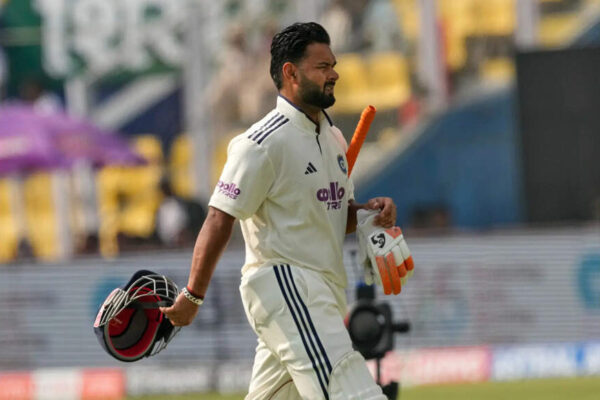
Rishabh Pant’s Team India fell by a record margin in the 2nd Test in Guwahati. (AP Photo/Anupam Nath) Ravichandran Ashwin didn’t hold back on his YouTube channel after India’s 2-0 Test series defeat against South Africa, using a pointed breakdown of Rishabh Pant’s dismissal in Guwahati in the first innings to question the stand-in captain’s…

Read More
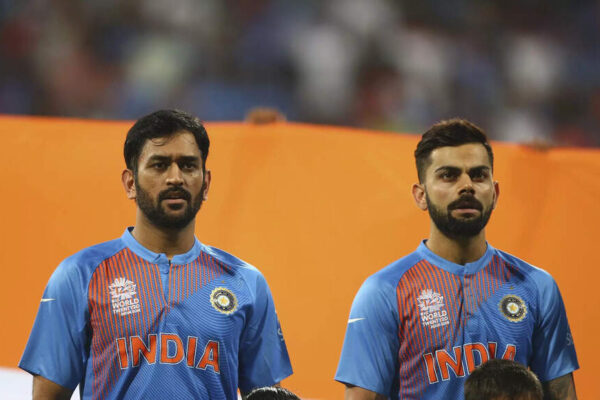
‘This is why Dhoni and Kohli dominated at home’: Ex-India cricketer’s explosive take after India’s embarrassing whitewash

‘This is why Dhoni and Kohli dominated at home’: Ex-India cricketer’s explosive take after India’s embarrassing whitewash

MS Dhoni and Virat Kohli of India (Photo by Ryan Pierse/Getty Images) Former India batter Mohammad Kaif has shed light on why MS Dhoni and Virat Kohli were so successful as Test captains on home soil. His remarks came in the aftermath of India’s 0-2 defeat to South Africa, marking the team’s second consecutive home…

Read More
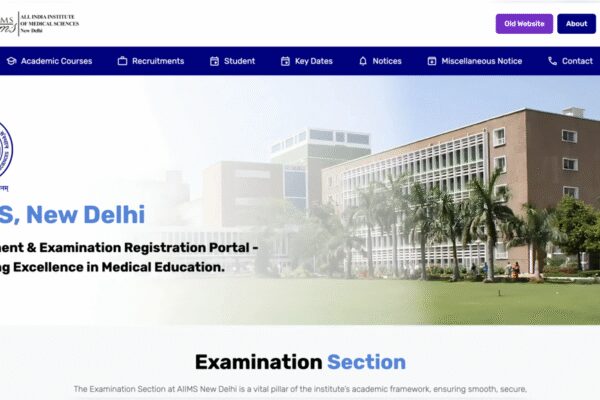
AIIMS CRE recruitment 2025: Registration for 1,383 posts ends in two days; here is how to apply before deadline

AIIMS CRE recruitment 2025: Registration for 1,383 posts ends in two days; here is how to apply before deadline

AIIMS CRE recruitment 2025: Registration for 1,383 posts ends in two days The registration window for the All India Institute of Medical Sciences (AIIMS) Common Recruitment Examination (CRE‑4) 2025 is set to close on 2 December 2025 at 5:00 PM, according to the schedule released earlier by the institute. A total of 1,383 Group B…

Read More