
12 It’s a Thursday morning, and three directors and several shareholders of a seafood company are gathered around a conference table, absorbed in a presentation on food packaging. “Good packaging adds value to a product; it can even fetch a higher price,” says the instructor at the Indian Institute of Packaging, in Marathi.As the directors nod, the silver tinsel in the pechak-che gajre in their hair and the gold naths in their noses gleam. The Koli women have never attended a workshop. Nor have they ever worked for a company – let alone run one. Yet they are directors of Daryavardi Producer Company Limited (DPCL), Mumbai’s first fish farmer producer organisation: a community-owned enterprise led entirely by Koli women that aims to transform their fish-vending trade from a cottage industry to a corporate venture. They already have 1,000 shareholders from the community. Besides delivering fish, masalas and snacks, they are diversifying into running live food counters and selling online. A community kitchen is up, a cloud kitchen is in the works, and exports are being explored. April marked three years since company’s formation. “We didn’t realise packaging affects shelf life; we always sold fish in polythene bags,” says Pratibha Patil, a director from Juhu Koliwada. “We’ve now learnt that packaging that is leakproof and attractive is not only more hygienic but can also help us sell more.”For 600 years, Koli women have plied their trade as they learnt it: moving in a straight line from landing centres and wholesale markets to independent sales counters. Even as markets evolved and competition cut into profits, their model remained largely unchanged. But new currents are now coursing through the community, altering the way its women do business. And better packaging is only part of the shift. The larger picture includes streamlined operations, centralised logistics, product development, digital payments, soft-skills training, branding and marketing – all the functions of a modern business reshaping Koli commerce. “We decided to follow the Amul model, bringing together Koli women to collectively produce and market fish and fish-based products. And because we wanted complete autonomy, we chose to run the enterprise not as a cooperative, but as a company,” says Ujjwala Patil, a community leader who founded the fishers’ rights organisation Daryavardi Mahila Sangh in 2018 – company’s ideological forerunner. “What Amul did for the White Revolution, DPCL will do for the Blue Economy.”The company is an agglomeration of over 50 self-help groups anchored in koliwadas across the city, each carrying out specialised work that supports the larger business.End of ArticleFollow Us On Social MediaVideosTVK Chief Vijay To Take Oath As Tamil Nadu CM On May 10, Trust Vote By May 13‘No Repentance’: Supreme Court On MP Minister’s Remark On Col Sofiya Qureshi‘Rangla to Kangla’: Raghav Chadha ’s Big Charge After ED Action | WatchIndia Successfully Tests Advanced Agni Missile With MIRV Technology‘First Enemy Is BJP’: Mamata Calls For Joint Oppn Platform As Suvendu Takes Oath As Bengal CMIndian Sailor Killed, 4 Injured After Dhow Catches Fire Near Strait Of HormuzMamata Banerjee’s X Bio Change Sparks Buzz After BJP Forms Bengal GovernmentDid TMC Avoid Official Entry of Political Killings? Zero In NCRB Records | WatchED Arrests Punjab Minister Sanjeev Arora In Rs 100 Crore Money Laundering CaseVCK Backs Vijay As TVK Moves Closer To Forming Government In Tamil Nadu | Watch123PhotostoriesWhy is your diet the secret to healthy hair?A simple homely dish that reminded Prime Minister Narendra Modi of his motherSuccess quote of the day by Aristotle: “Excellence is never an accident, it is always the result of…”Hantavirus is that odd infection that can make a simple fever a medical emergency, says Delhi NCR pulmonologistWhat’s it like to visit 10 most economically stable countries in the world right now? What’s India’s rankHow to know if someone is genuine: 5 common habits that sets them apart from those who are fakeHow to correctly store watermelons in summer to keep them fresh, juicy, and long-lastingAnimals that carry their homes with themHow to make South Indian Lauki Paniyaram for Saturday breakfastSundar Pichai: 5 career-saving office politics tips inspired by the Google CEO123Hot PicksSBI Q4 resultsThane- Navi Mumbai corridorMaharashtra SSC ResultPune child rape-murder casePerambur election resultIndia-New Zealand FTASugarcane price hikeTop TrendingWWE Smackdown HighlightsWest Bengal Government FormationUS Iran warHPBOSE 10th Result 2026Yashasvi JaiswalR AshwinBAN vs PAKSalil AnkolaWest Bengal CabinetSuryansh Shedge

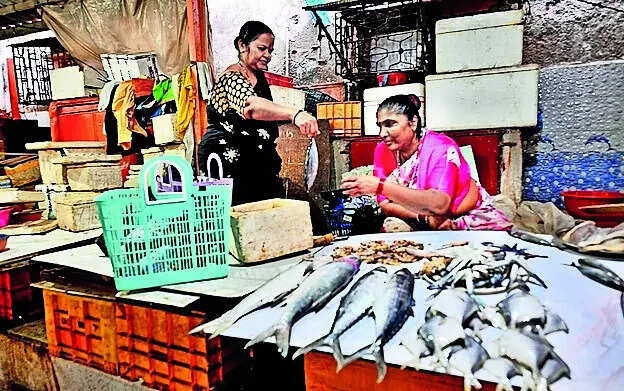
It’s a Thursday morning, and three directors and several shareholders of a seafood company are gathered around a conference table, absorbed in a presentation on food packaging. “Good packaging adds value to a product; it can even fetch a higher price,” says the instructor at the Indian Institute of Packaging, in Marathi.As the directors nod, the silver tinsel in the pechak-che gajre in their hair and the gold naths in their noses gleam. The Koli women have never attended a workshop. Nor have they ever worked for a company – let alone run one. Yet they are directors of Daryavardi Producer Company Limited (DPCL), Mumbai’s first fish farmer producer organisation: a community-owned enterprise led entirely by Koli women that aims to transform their fish-vending trade from a cottage industry to a corporate venture. They already have 1,000 shareholders from the community. Besides delivering fish, masalas and snacks, they are diversifying into running live food counters and selling online. A community kitchen is up, a cloud kitchen is in the works, and exports are being explored. April marked three years since company’s formation. “We didn’t realise packaging affects shelf life; we always sold fish in polythene bags,” says Pratibha Patil, a director from Juhu Koliwada. “We’ve now learnt that packaging that is leakproof and attractive is not only more hygienic but can also help us sell more.”For 600 years, Koli women have plied their trade as they learnt it: moving in a straight line from landing centres and wholesale markets to independent sales counters. Even as markets evolved and competition cut into profits, their model remained largely unchanged. But new currents are now coursing through the community, altering the way its women do business. And better packaging is only part of the shift. The larger picture includes streamlined operations, centralised logistics, product development, digital payments, soft-skills training, branding and marketing – all the functions of a modern business reshaping Koli commerce. “We decided to follow the Amul model, bringing together Koli women to collectively produce and market fish and fish-based products. And because we wanted complete autonomy, we chose to run the enterprise not as a cooperative, but as a company,” says Ujjwala Patil, a community leader who founded the fishers’ rights organisation Daryavardi Mahila Sangh in 2018 – company’s ideological forerunner. “What Amul did for the White Revolution, DPCL will do for the Blue Economy.“The company is an agglomeration of over 50 self-help groups anchored in koliwadas across the city, each carrying out specialised work that supports the larger business.


